






Cool evenings and holiday gatherings bring people back outdoors, and a gas fire pit gives a patio warmth and light without the smoke or ash of a wood fire. A fire pit table combines a flame with a flat surface for drinks and plates, which makes it popular for fall and winter entertaining. Using one safely takes more than lighting it, and a few basics about fuel, space, and weather help owners enjoy it without risk.
How a Propane Fire Pit Table Works
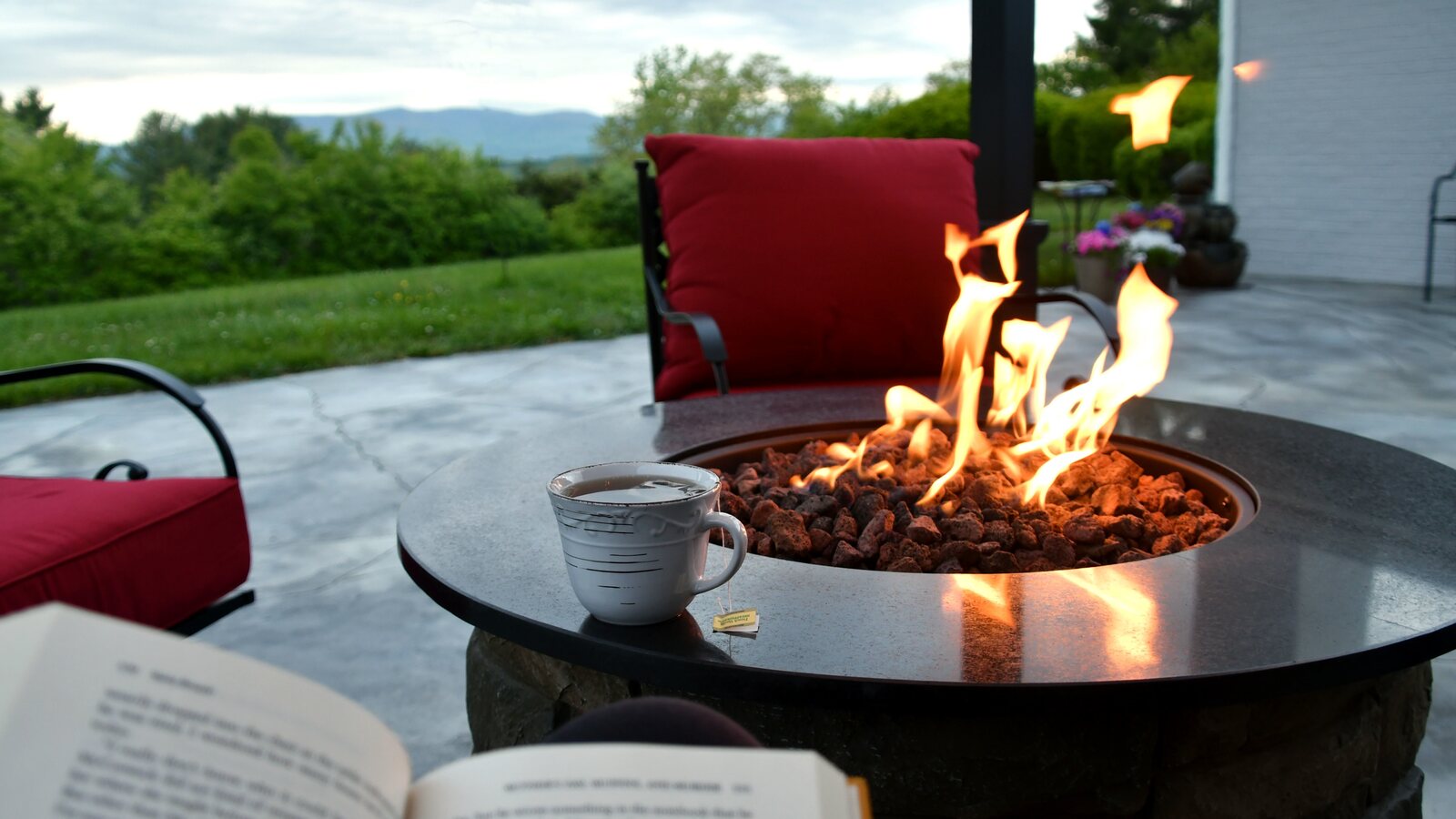
A propane fire pit table connects to a propane cylinder, usually the standard size used for grills, through a hose and a regulator. The regulator reduces the pressure to a steady level. A control valve and an igniter send gas to a burner ring under a layer of fire glass or lava rock, which spreads the flame and protects the burner. Heat output is measured in British thermal units, a standard measure of heat, and a larger number means a stronger flame.

Where to Put It
Place the table on a flat, non-combustible surface such as concrete, pavers, or stone. Wood decks can be used if the manufacturer allows and a protective mat is placed under it. Keep it well away from walls, railings, overhanging branches, and furniture, and never place it under a covered patio or a roof. A gas fire pit table needs open space above and around it, because heat rises and can damage things overhead.
Why Wind and Cold Matter
Wind pushes the flame sideways and can blow it out, and a steady gust makes seating unpleasant. A sheltered spot with a low wall or a windscreen helps. Cold weather affects propane too: as the temperature falls, the pressure inside the cylinder falls, and a nearly empty tank can give a weak flame. Keep a spare cylinder, and if the flame is low on a very cold night, check the tank level first.
Fire Glass, Lava Rock, and Cleaning
The burner sits under a bed of fire glass or lava rock that radiates heat and shapes the flame. Keep the bed level and free of debris, and avoid using stones that trap water, since moisture can crack and spit when heated. Cover the table when it is not in use to keep out rain, leaves, and snow. Wipe the tabletop when it has cooled, using mild soap rather than abrasive cleaners.
Safe Handling of Propane
A cylinder should be kept upright, away from heat, and connected with a snug fitting. To test for a leak, brush soapy water on the joints and watch for bubbles, and fix any leak before lighting. If you smell gas, shut off the valve and move away. Never store spare cylinders indoors, in a garage, or in a hot vehicle.
Choosing a Size and Shape
A round fire pit table gives everyone an equal view of the flame and suits a conversation circle, while a rectangular one fits along a wall. Think about how many people will sit around it and how much space the patio has. A round fire pit table needs room for chairs all the way around, and each chair should sit a safe distance back. Measure the patio before choosing, including the walking space behind the chairs.
Heat and the Tabletop
The tabletop gets warm from the flame below, so use it for drinks and plates that tolerate heat. Keep paper, plastic, and lightweight items away from the edge near the burner, and never place anything over the burner opening. Let the table cool completely before covering it. A gas fire pit table with a wide rim spreads heat outward, so the area close to the flame is the warmest.
Seating and Distance
A fire pit table warms people sitting around it, but too close is uncomfortable and unsafe. Arrange chairs at a comfortable distance, keep children and pets supervised, and avoid loose clothing near the flame. Never leave the fire burning unattended, and turn it off completely, closing the cylinder valve, before going inside.
Habits That Keep Evenings Safe
A few rules apply every time:
- Light with the lid or cover removed
- Keep a fire extinguisher nearby
- Never use water on a gas flame
- Turn off the gas at the cylinder
Carbon monoxide is a risk in enclosed spaces, so use the table only outdoors.
Maintaining the Table
Check the hose for cracks, brush the burner holes if they clog, and inspect the igniter. At the end of the season, store the table under a cover and disconnect the cylinder. Owners who plan an outdoor space for the cold months often look at the wider range of industrial equipment for outdoor work and storage, so the patio, the yard, and the shed all suit the season.

Terry Clark is the Publisher and Content Director of 365 Retail, with more than a decade of experience covering retail design, technology innovations, store openings and the wider retail industry. He also works closely with leading retailers, suppliers, agencies, events and industry awards across the UK.