









Most retailers sell the same product many times over. A specialist in used car parts does the opposite. Every engine, headlight and door mirror on the shelf is a one-off, taken from a single donor car, with its own mileage, condition and quirks. Multiply that by tens of thousands and online retail starts to look rather different.
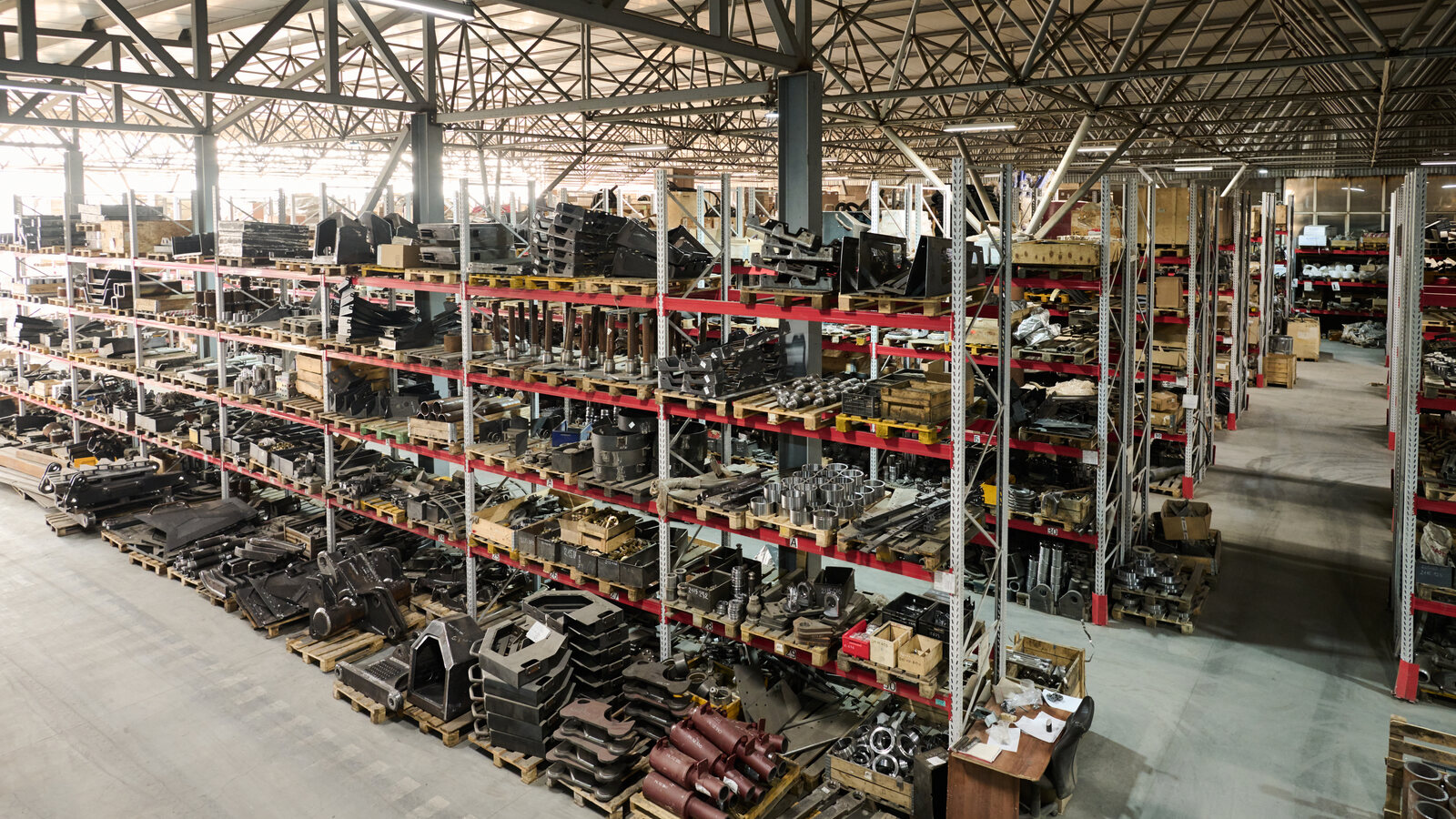
That’s the reality for MT Auto Parts, a family-run business in Thurnscoe, South Yorkshire. It made its name with genuine used BMW parts for F, G and U-generation cars built from 2012 onwards, and recently started selling Mercedes parts as well. It has now sold more than 40,000 parts, with over 23,000 more currently in stock, through two main channels: its own website and its eBay store. Along the way, it has learned a fair bit about what sells online, and what simply creates returns.

Lesson One: Every Part Is A Product Of One
The usual e-commerce playbook doesn’t quite fit used car parts. A fashion retailer can photograph a jacket once and sell it a thousand times. A breaker can’t. Each part needs its own listing, its own photos and its own description, and once it sells, it’s gone for good.
That makes speed and consistency the two things that matter most. A part that isn’t listed can’t be found, and when thousands of listings are written by hand, small differences in naming or grading quickly turn into a catalogue nobody can search properly.
“In the early days, everyone listed parts slightly differently, and you could see it in the search results,” says Ziggy, co-founder of MT Auto Parts. “Now every part goes through the same process: the same naming, the same photo angles, the same condition notes. It sounds boring, but it’s the single biggest thing that improved our sales.”
Lesson Two: Show The Actual Part
There’s no stock photo to fall back on with second-hand used car parts. The buyer wants to see the exact item they’ll receive, scuffs and all, and a listing that hides something is a return waiting to happen.
“We learned quite quickly that honest photos sell better than perfect ones,” says Ziggy. “If a bumper has a small mark, we show it. Customers appreciate that, and it saves a lot of awkward conversations after the parcel arrives.”
Lesson Three: Part Numbers Beat Product Names
Car parts buyers don’t shop like most customers. They type in an OE part number, an engine code or a specific model, and they expect whatever they find to fit their car exactly.
For BMW spare parts, that’s particularly demanding. BMW changes components mid-production, so two cars wearing the same badge can need different parts. Listings built around the original 11-digit part number, the chassis code and whether the car is pre- or post-facelift perform far better, both on eBay and in Google. People searching for BMW OEM parts want to see that number in the title, not buried halfway down the description.
“The part number, or car’s VIN code, is everything,” says Ziggy. “Most of our wrong orders used to come from customers matching a part by the model name. Once we started leading with part numbers and offering to check fitment against the customer’s VIN, returns dropped noticeably.”
Lesson Four: eBay And Your Own Website Do Different Jobs
For a niche seller, eBay is hard to ignore. It’s still one of the first places UK drivers and garages look for used car parts, and its feedback scores and buyer protection give customers confidence in a business they may never have heard of. MT Auto Parts’ eBay store brings in a steady flow of first-time buyers for exactly that reason.
But marketplaces come with trade-offs. Fees eat into margins, the platform owns the customer relationship, and every listing sits next to a competitor’s. That’s why the business puts just as much effort into its own website, where customers can browse the full BMW parts catalogue by model and year.
“eBay is brilliant for being found, especially by people who’ve never heard of us,” says Ziggy. “But the garages and customers who come back again and again usually end up ordering directly from our website. We’d never want to rely on just one channel, and we prefer selling directly.”
Lesson Five: One-Off Stock Needs Joined-Up Systems
Selling unique items on two channels brings its own headache: the same part can’t be sold twice. When a gearbox sells on eBay, it has to vanish from the website straight away, and vice versa. That means stock has to live in one system that feeds both channels, not in separate lists managed by hand.
Logistics deserve the same attention. Used car parts range from a sensor that fits in a padded envelope to a complete engine on a pallet. Each needs the right packaging and courier, and delivery has to be priced in without scaring buyers off.
“Selling an engine and shipping an engine are two very different things,” says Ziggy. “We got a few of the big items wrong early on, and it taught us to work out the delivery cost before the listing goes live, not after the sale.”
Branching Out Into Mercedes Parts
The latest step for the business has been adding Mercedes parts alongside its BMW range. It’s a natural move: both brands attract owners who want genuine parts rather than cheaper copies, and both have the kind of complex, model-specific parts where a specialist adds real value.
Crucially, the lessons from BMW carried straight across. The same listing process, the same focus on part numbers and the same two-channel approach of eBay plus the company’s own website all apply to the new Mercedes catalogue.
“Everything we learned selling BMW parts made Mercedes much easier to start,” says Ziggy. “The process was already there. We just had to learn a new set of part numbers.”
Lessons For Other Niche Sellers
Not every retailer sells car parts, but the lessons travel well. In a niche market, precise product data matters more than clever copy. Marketplaces are a powerful way to be found, but your own channel is where loyalty is built. And when customers are taking a risk on a used or specialist product, everything that makes them feel safer, from honest photos to a fitment check before they buy, is worth the effort.
As MT Auto Parts has found, selling more than 40,000 car parts online isn’t really about the number. It’s about making each of those one-off listings easy to find, easy to trust and right the first time.

Terry Clark is the Publisher and Content Director of 365 Retail, with more than a decade of experience covering retail design, technology innovations, store openings and the wider retail industry. He also works closely with leading retailers, suppliers, agencies, events and industry awards across the UK.