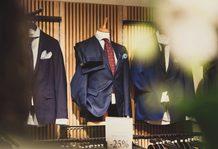



Walk into the best new stores and they no longer feel like shops. They feel like homes: comfortable seating, warm materials, soft lighting, a place to settle rather than a rack-lined aisle to hurry down. This residential turn in retail design is not a passing gimmick. It is a considered response to what physical stores are actually for now, and it is quietly reshaping how the best of them look.
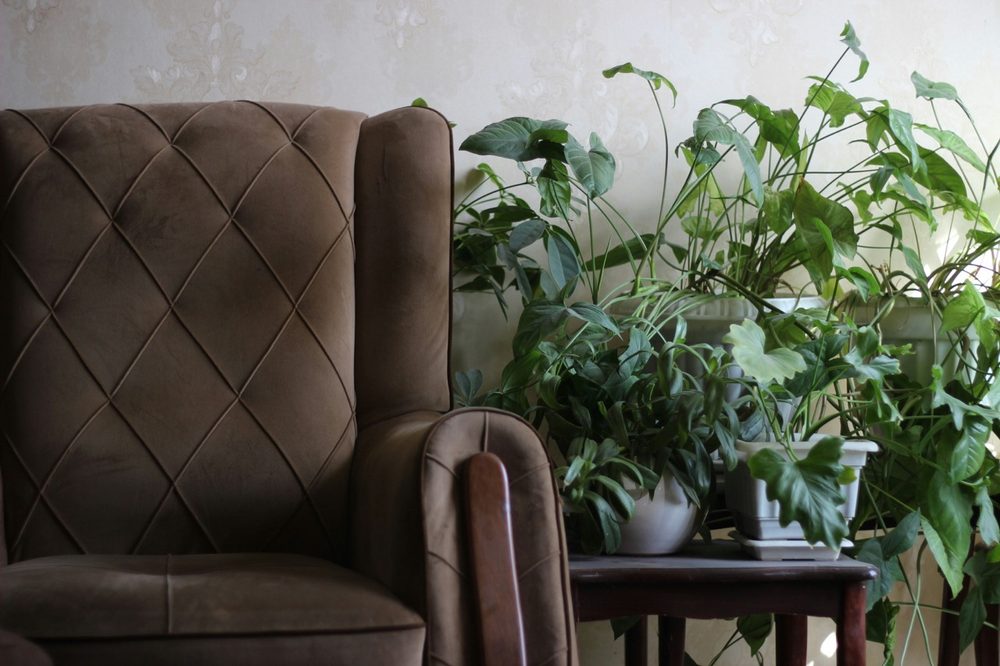
Retail is borrowing the living room
For decades, a shop floor was built for throughput: hard fixtures, bright even lighting, everything arranged to move customers past the maximum amount of stock. The new generation of stores does something different. Sofas and lounge chairs replace benches; rugs, timber and warm paint replace laminate and steel; table lamps and pendants replace the strip lighting. The reference point has shifted from the warehouse to the home, and the effect is a space you want to be in rather than get through.

You can see it across very different sectors. Fashion flagships add lounges and cafes; homeware brands build room-sets you could move into; even banks and phone shops have swapped counters for sofas. The common thread is hospitality: the store is treating the customer as a guest to be hosted rather than a transaction to be processed, and the furniture is the clearest signal of that change in attitude.
Why it works: stores are for dwelling now
The shift makes sense once you remember what physical retail competes on. It cannot beat online on price or convenience, so it competes on experience, and experience is built from time. A store that feels like a living room invites people to slow down, sit, and stay, and customers who stay engage more, browse more, and leave with a warmer impression of the brand. The living-room feel is not decoration. It is a device for extending the one thing a store has that a website does not: real time in a real space.
It changes the purpose of a visit, too. When a store is somewhere pleasant to be, the trip stops being a chore squeezed between other errands and becomes something closer to an outing. People arrive without a specific purchase in mind, stay longer than they planned, and often buy as a by-product of a good experience rather than the reason for it. That is a healthier relationship with a customer than one built purely on need and speed.
Comfort signals confidence
There is a subtler message in a comfortable store, too. A brand that gives you somewhere to sit is not trying to move you along. It is signalling that it is happy for you to take your time, which reads as confidence and quality. The domestic materials do similar work: real wood, good upholstery and warm light feel considered and premium in a way hard retail fixtures never will. The space itself becomes a statement about the brand before a single product is picked up.
It helps customers picture the product at home
For anyone selling homeware, furniture or lifestyle goods, the residential setting does something specific and valuable: it lets customers imagine the product in their own space. A lamp on a real side table beside a real armchair is far easier to picture at home than the same lamp on a shelf under a spotlight. Showing goods in a domestic context, rather than a purely retail one, shortens the leap a customer has to make from the shop to their living room.
How to do it without a flagship budget
The good news for smaller operators is that this look does not require a flagship budget. It requires a few well-chosen residential pieces in the spots where customers pause: some comfortable seating, a rug, a warm light or two, and restraint everywhere else. The Mobelaris range, for instance, offers affordable reproductions of design classics, sold honestly as reproductions, which is a straightforward way to bring genuine design quality onto a shop floor. For the seating that does the most to soften a space, well-made designer lounge chairs do more for how a store feels, and for how long people stay in it, than any amount of additional stock.
The bottom line
The residential turn is not about making stores look pretty for its own sake. It is about making them worth visiting in an age when nobody has to. Borrow the comfort of a living room, give people a reason to sit and stay, and let the space itself carry the brand. The stores getting this right are not just nicer to be in. They are answering the question every physical retailer now has to face: why should anyone come in at all?

Terry Clark is the Publisher and Content Director of 365 Retail, with more than a decade of experience covering retail design, technology innovations, store openings and the wider retail industry. He also works closely with leading retailers, suppliers, agencies, events and industry awards across the UK.