






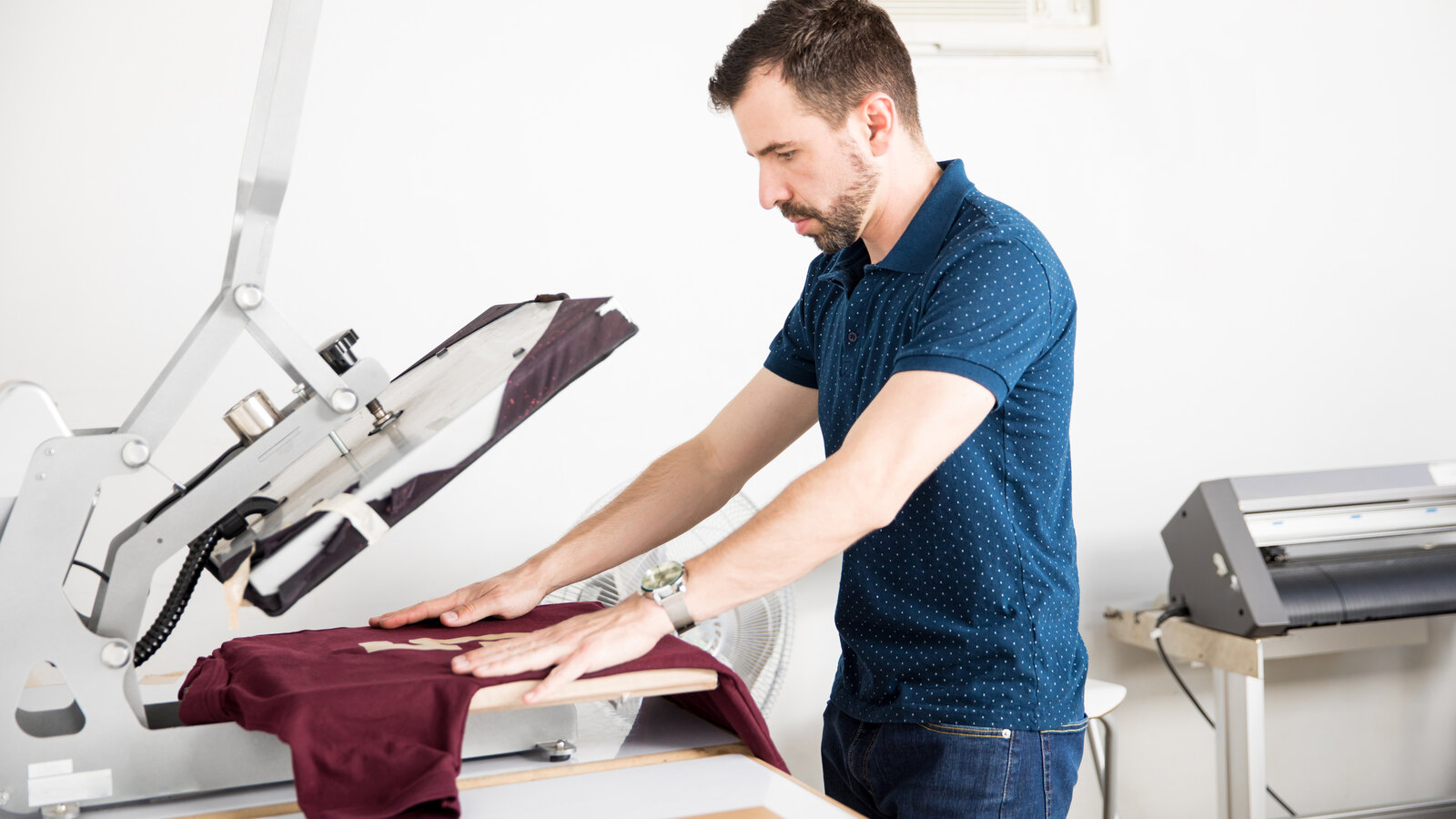
The trend of designing one-of-a-kind clothing and accessories has taken off among small business entrepreneurs, artists and folks who love to do things the DIY way. The great thing is that with some equipment, the inexpensive apparel items like t-shirts, tote bags and caps, can quickly be converted into the finished product that others can wear or use, too. To do that, there are three pieces of equipment that could be useful: a Vinyl Cutter, Heat Transfer Vinyl and a Heat Press. They each serve a different function, but they can work as a team for an easier printing experience.
Understanding the Role of a Vinyl Cutter
A Vinyl Cutter is a device that can cut out shapes, letters, numbers and designs from a piece of vinyl. Vinyl Cutters use a computer with a design program and/or template to instruct the machine on how to cut the shape and where to cut it on the sheet of vinyl. These machines have a small blade that can cut the vinyl sheet without cutting through the backing, so you can remove the excess vinyl from the design and place it where you want it. They are available in various sizes, from craft room size to industrial work stations.

How a Vinyl Cutter Makes Designing Easier
The main advantage of a cutting machine is that you can develop your own designs. You could produce your own art work, create your own font, resize the text, make a specific shape and then when you’re ready you can configure the cutting machine to cut your design — there’s no need to cut the shapes out with scissors, so it can be time saving as well as helping to maintain quality. If you produce many personalised items, then a Vinyl Cutter could be useful.
Choosing the Right Machine for Your Projects
Not all cutting machines have the same characteristics so that everyone is going to have to choose one that can support the work that is going to be done. For beginners, a small and easily assembled unit is the best choice. This also is ideal for small names, labels, simple clothing embellishing and smaller designs. Business owners who have major orders are going to benefit from a machine with a greater cutting surface and that is faster.
Design Software and Design Opportunities
Design Software is used to achieve the best result when using a cutting machine. It enables you to edit artwork ready to transfer to a cutting machine. Most programs will come with ready-made templates, fonts, shapes and editing features. You can also add your own design or logo for custom cuts, for example, a mere name can be transformed into a customized t-shirt design or a more detailed logo can be used to create a brand logo to use on shirts for your company uniform. Mastering basic design function can help beginners feel more confident and creative.
About Heat Transfer Vinyl
Heat Transfer Vinyl (or HTV) is a unique kind of material used for decorating fabric surfaces. It can be purchased in the form of sheets and rolls that feature an adhesive membrane that adheres when it’s heated and pressed. In contrast to regular decorative vinyl, the fabric is created for it to be adhered to clothing and other appropriate textiles, which can be purchased in various hues, finishes, and textures (glossy, matte, glitter, metallic, patterned, etc).
Different Types of Heat Transfer Vinyl
Types of transfer vinyl Several types of transfer vinyl are available, with each having its own look. Standard vinyl is a widely used choice for personalizing clothing since it is straightforward to work with and is sold in a range of colors. Glitter vinyl adds a sparkle effect to get a bit more glitz to a decorative shirt, tote or garment for an event. Metallic vinyl can provide a shiny effect, and stretch vinyl is intended for fabric that requires more flexibility; pattern transfer vinyl can offer an added finishing touch to the personalized product.
Why Material Choice Is Important
It is vital to choose the right vinyl for your project as certain materials can react differently to others. Some are very thin and bendy and others are thicker and need more scrutiny when applying heat. Consider your fabrics as well and avoid one which isn’t compatible. Cotton and polyester/cotton-polyester can be used for heat transfer, but you should use the recommended vinyl for your project and test it on a small piece of fabric before doing a big order.
Preparing Designs Before Cutting
With a Good Design Preparation It is essential to have well done preparation for not only easier cutting but also saving material when you do not need. Checks before cutting. Check out the size of your design, its appearance, the spelling, the spacing. Is it reverse? When doing text or some other shapes, you may need to put your design inverted for the result to be once transferred.
Conclusion
What can you do when you put a Vinyl Cutter, Heat Transfer Vinyl and a Heat Press together? You can create personalised garments and other items for decorating. Your cutting machine will cut your design, your transfer vinyl will give you the decoration and your heat press will affix it to your item. With the correct materials, appropriate surfaces and our instructions, you will be decorating professionally in no time at all.
Frequently Asked Questions
1. What Is a Vinyl Cutter Used For?
A Vinyl Cutter is a machine to cut out letters, images, logos or decorative designs from a sheet or roll of vinyl. It is mostly used in decoration of clothes, stickers, labels, signs and customization of craft work.
2. Is it possible for a Vinyl Cutter to Cut Heat Transfer Vinyl?
Absolutely! All cutting machines that are compatible are capable of cutting Heat Transfer Vinyl. You will need to change the cutting machine settings, blade pressure, and blade depth for your particular kind of vinyl and cutting machine as directed by the machine and vinyl manufacturer.
3. Is Heat Transfer Vinyl Suitable for T-Shirts?
Absolutely! Heat Transfer Vinyl can be used on a variety of appropriate cotton, polyester, and blends, provided you have the correct material and application settings.

Terry Clark is the Publisher and Content Director of 365 Retail, with more than a decade of experience covering retail design, technology innovations, store openings and the wider retail industry. He also works closely with leading retailers, suppliers, agencies, events and industry awards across the UK.