









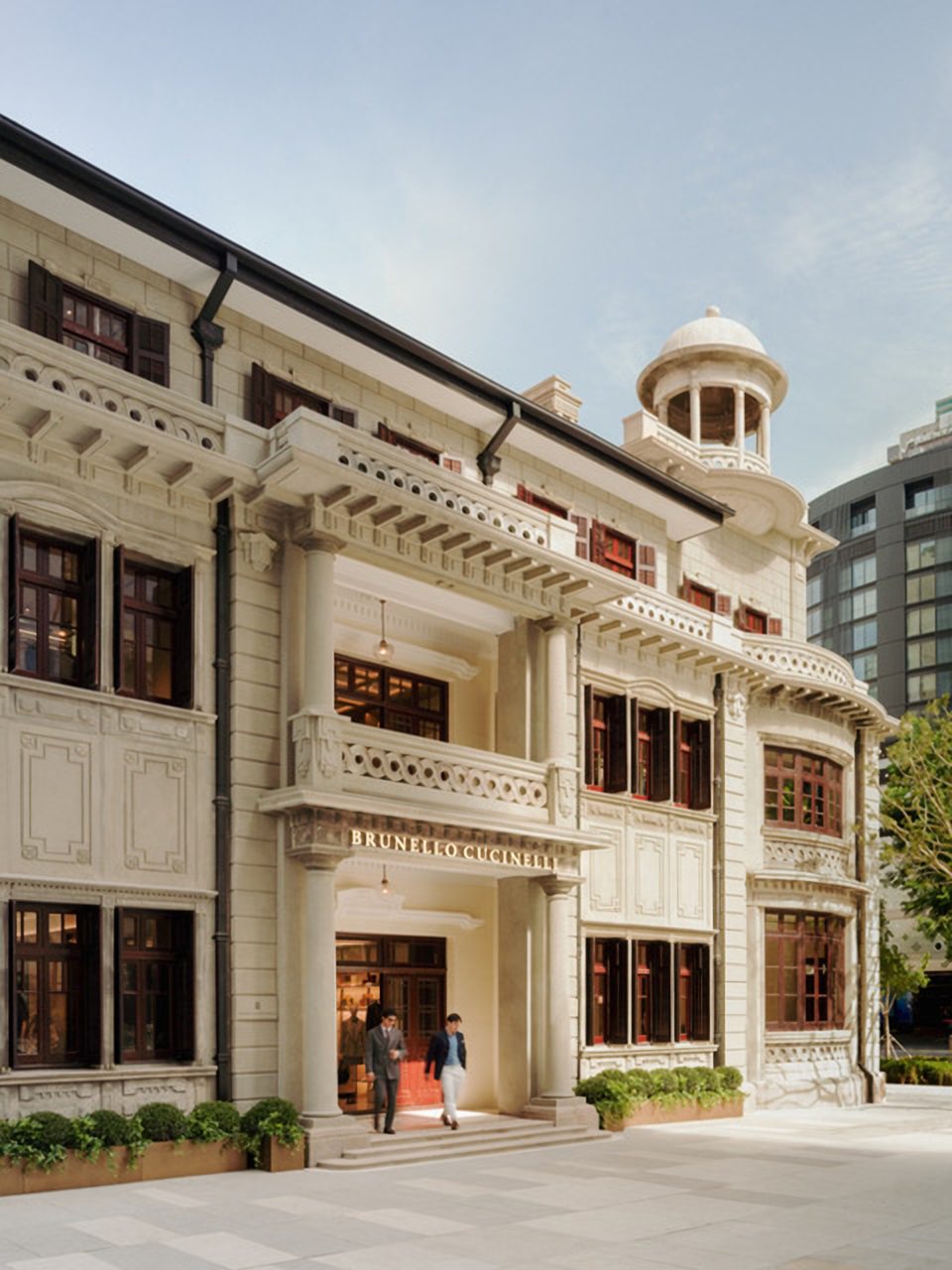
Brunello Cucinelli has opened Casa Cucinelli Shanghai in the historic Cao Zhai residence, a building dating from 1927 in one of the city’s busiest commercial districts.
The residence was originally designed by Professor Gu Daosheng, an architect who contributed to the evolution of China’s urban landscape by bringing traditional Chinese aesthetics together with Western engineering. It now begins a new chapter as a place of hospitality and encounter, where a domestic atmosphere is combined with a full presentation of Brunello Cucinelli‘s men’s and women’s collections in the boutique housed within Casa Cucinelli.

The project takes the idea of the home as its starting point, not simply as an architectural form but as a space to be entered, experienced and felt. The brand says this resonates with Chinese architectural tradition, in which interconnected spaces lead visitors through moments of encounter, pause and shifting perspective.
The renovation extended the original building outwards, incorporating one of its former exterior façades into a new winter garden. Conceived as a connection between Casa Cucinelli and the city, the inner courtyard echoes the spatial character of Shanghai’s traditional Shikumen architecture.
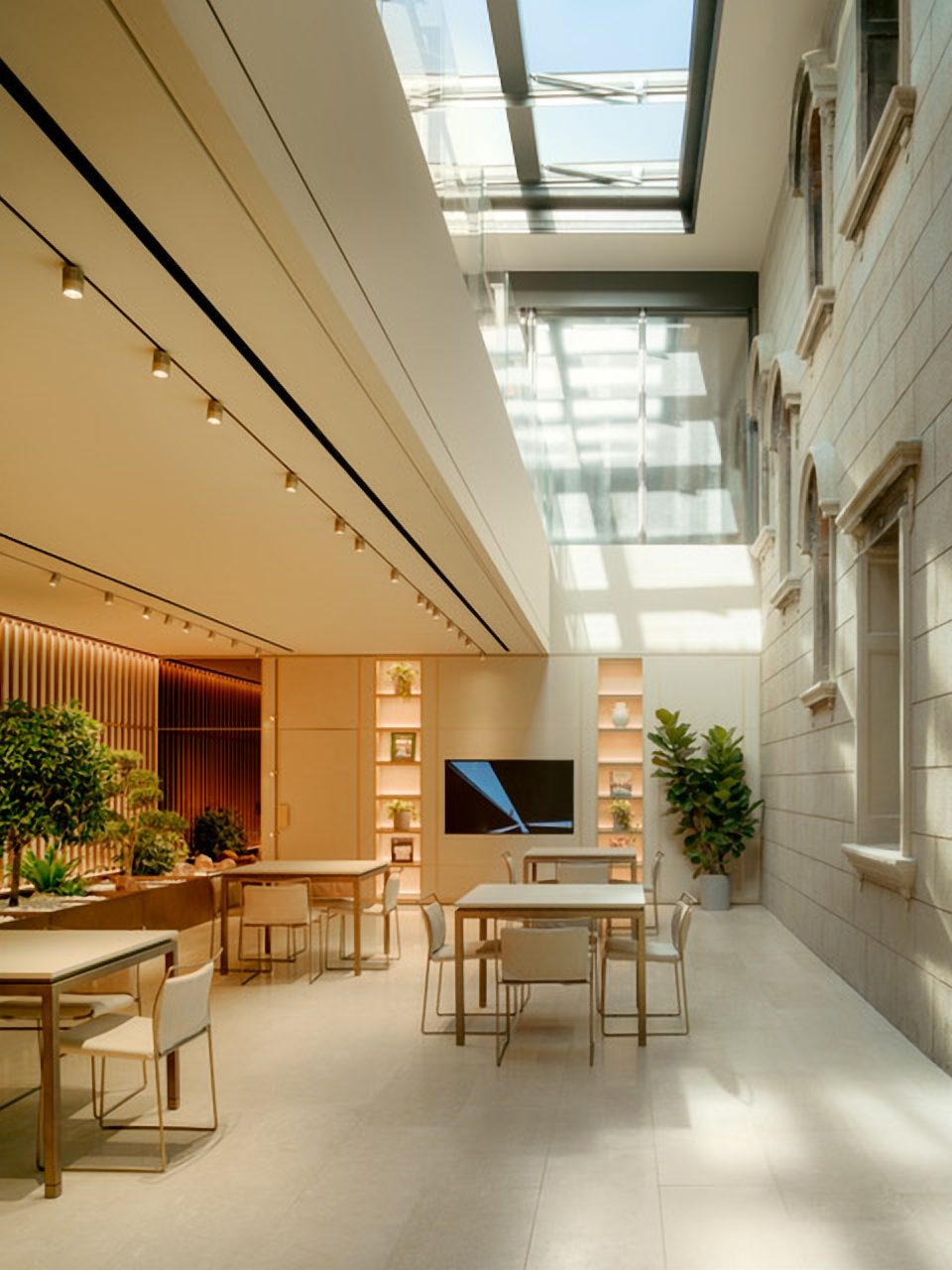
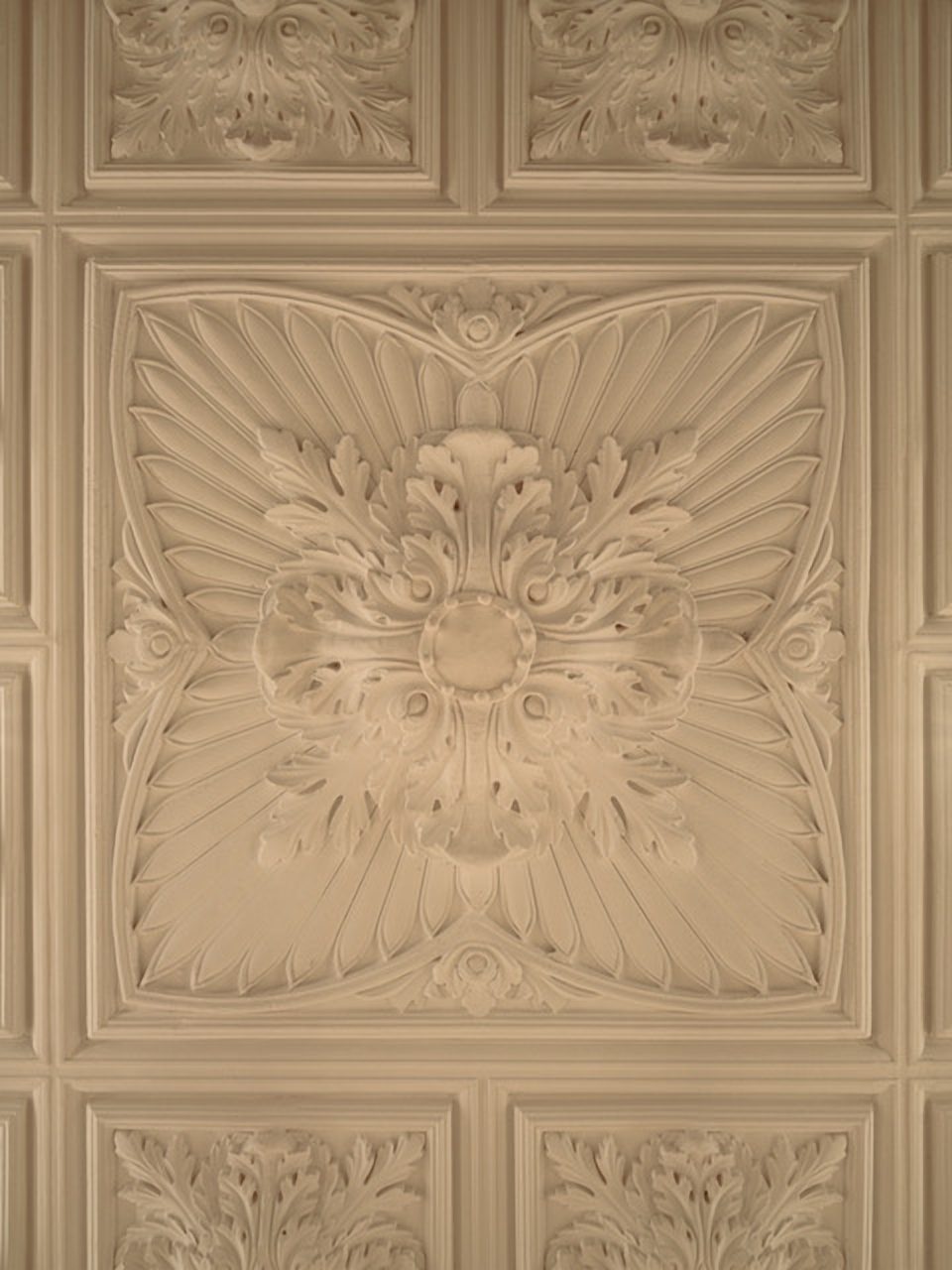
Many of Cao Zhai’s original features have been restored, including its floor mosaics and parquet, stained glass, ceiling plasterwork, fireplaces and a monumental staircase with Art Deco decoration. They have been integrated into a contemporary design intended to respect the building’s proportions, materials and architectural rhythm, with a recurring square geometry, traditionally associated with the Earth, stability, order and balance.
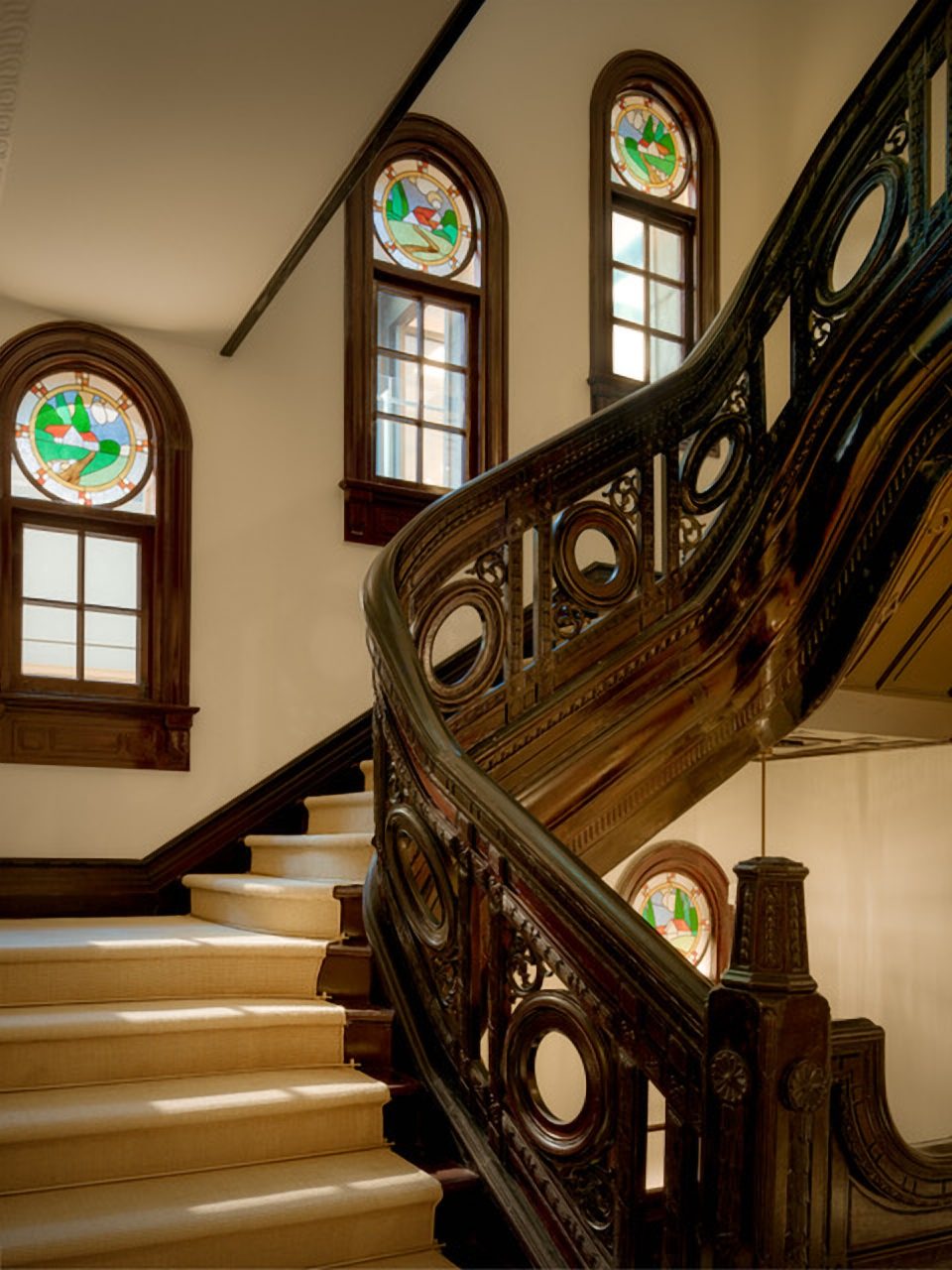
Casa Cucinelli Shanghai is arranged over three levels. On the ground floor, the entrance preserves the atmosphere of the original residence, with busts of Ibn Khaldun and Confucius welcoming visitors and classical capitals referencing the cultural heritage of the Mediterranean. A library of more than 500 volumes leads from the entrance hall to the living room, with Western works in their original languages and in Chinese translation alongside Chinese classics on art, architecture, philosophy and literature. A small café and a carved wooden fireplace sit within the library.
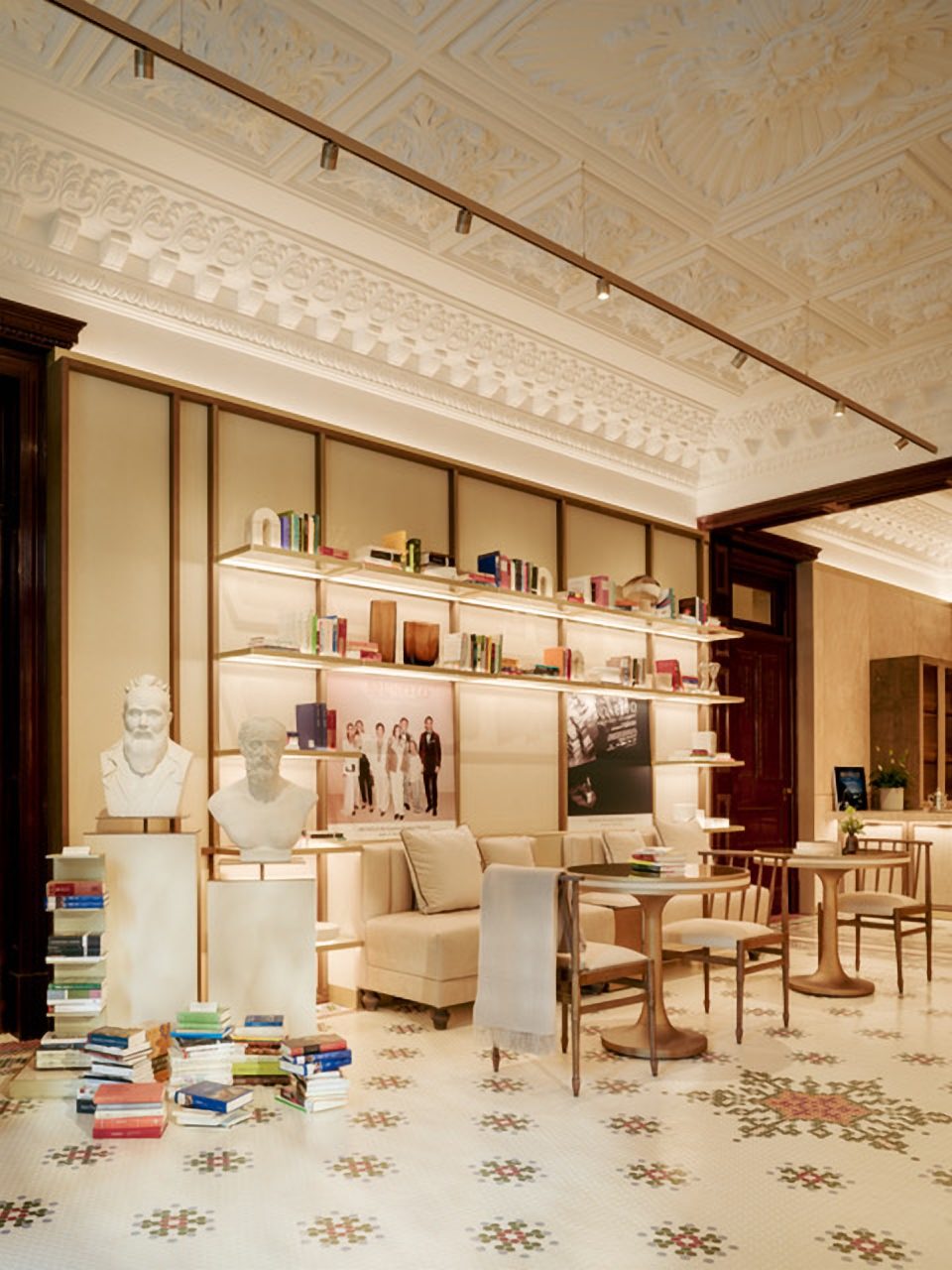
Nearby, a dining room brings together Italian flavours and Chinese culinary traditions, while a series of smaller rooms and a second bar provide more intimate settings for private appointments.
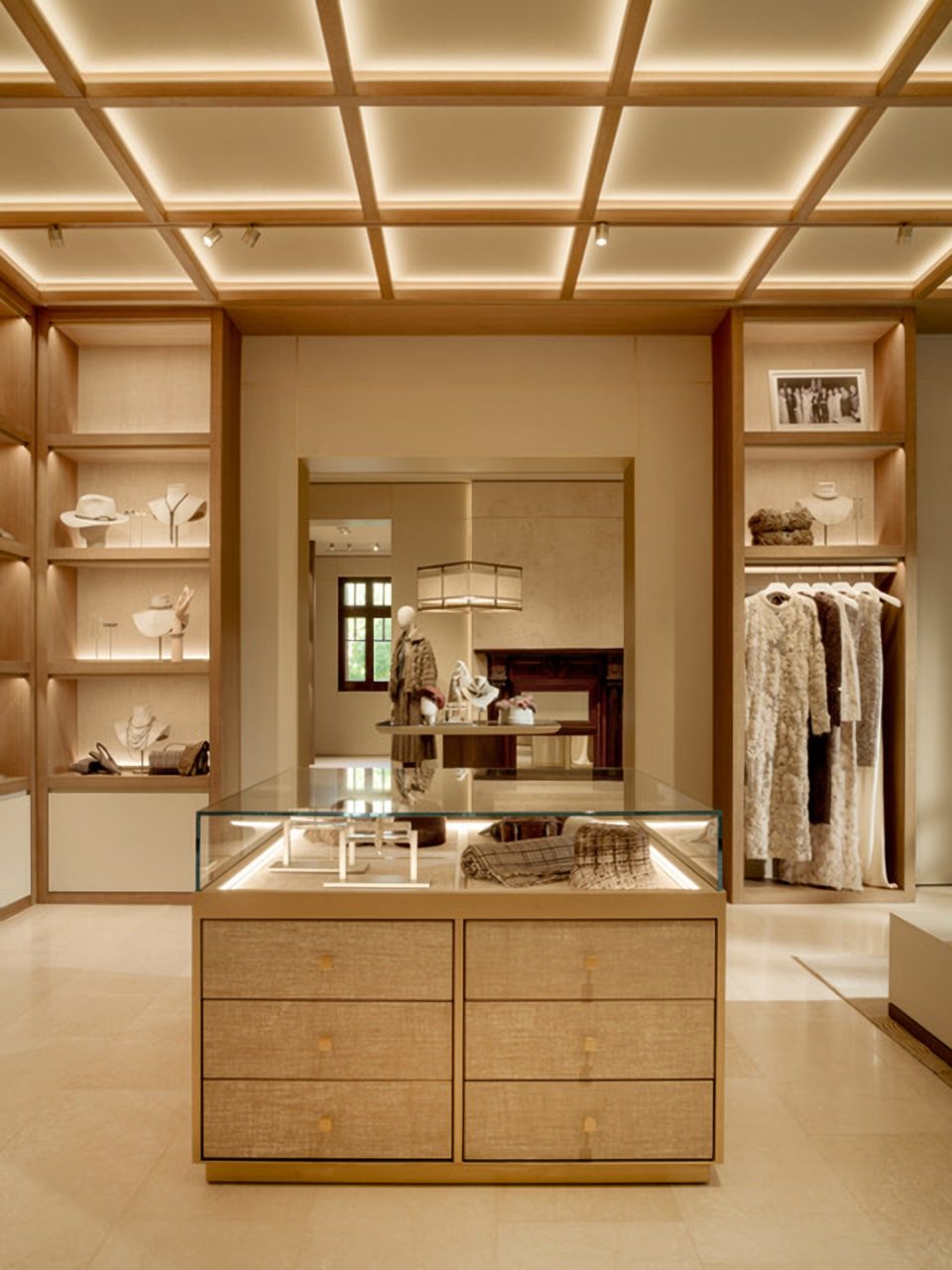
The upper floors are dedicated to the collections, with the Women’s Collection on the first floor and the Men’s Collection on the second. Casa Cucinelli Shanghai also offers two personalisation services: Sartoria Solomeo, a made-to-measure service for men built around a direct dialogue with the tailor, and Solomeo Atelier, a programme of exclusive events hosted by members of the creative team from Solomeo, at which clients can take part in creating custom garments for special occasions. A large room arranged around a round table and a smaller, more intimate room provide further space for meetings.
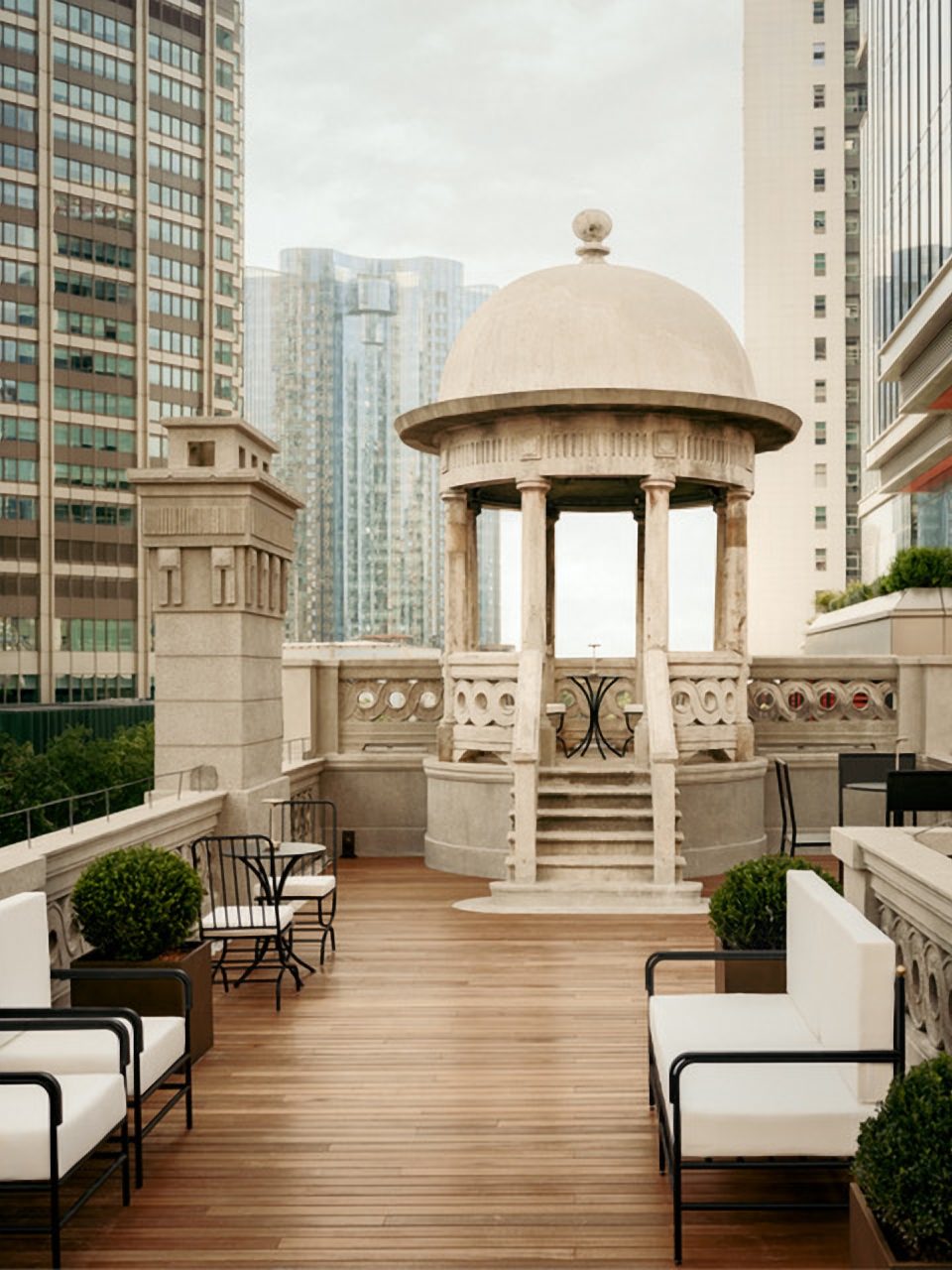
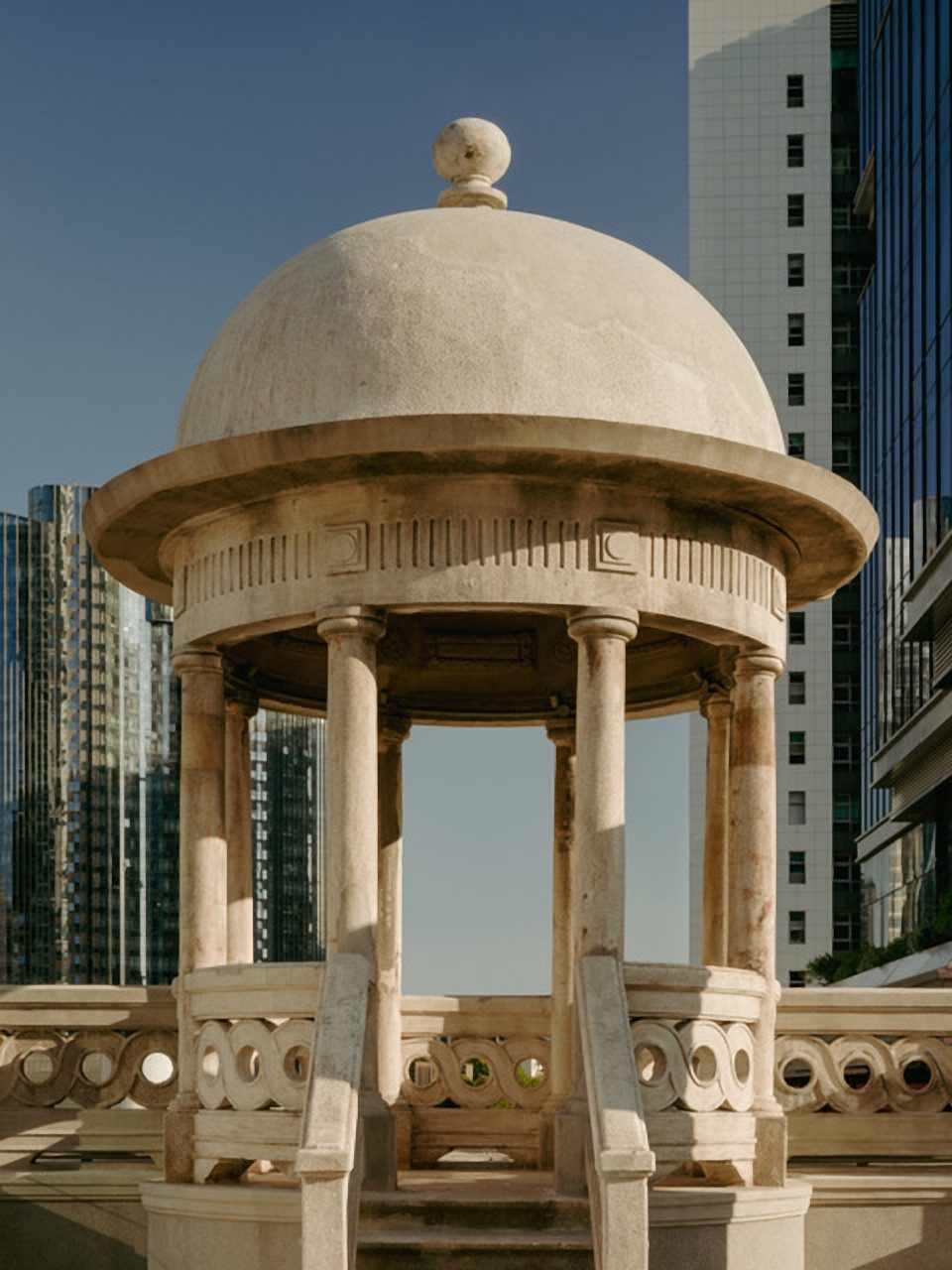
On the rooftop, a domed pavilion adds an architectural feature to the city skyline and gives visitors a view over the building and its surroundings.
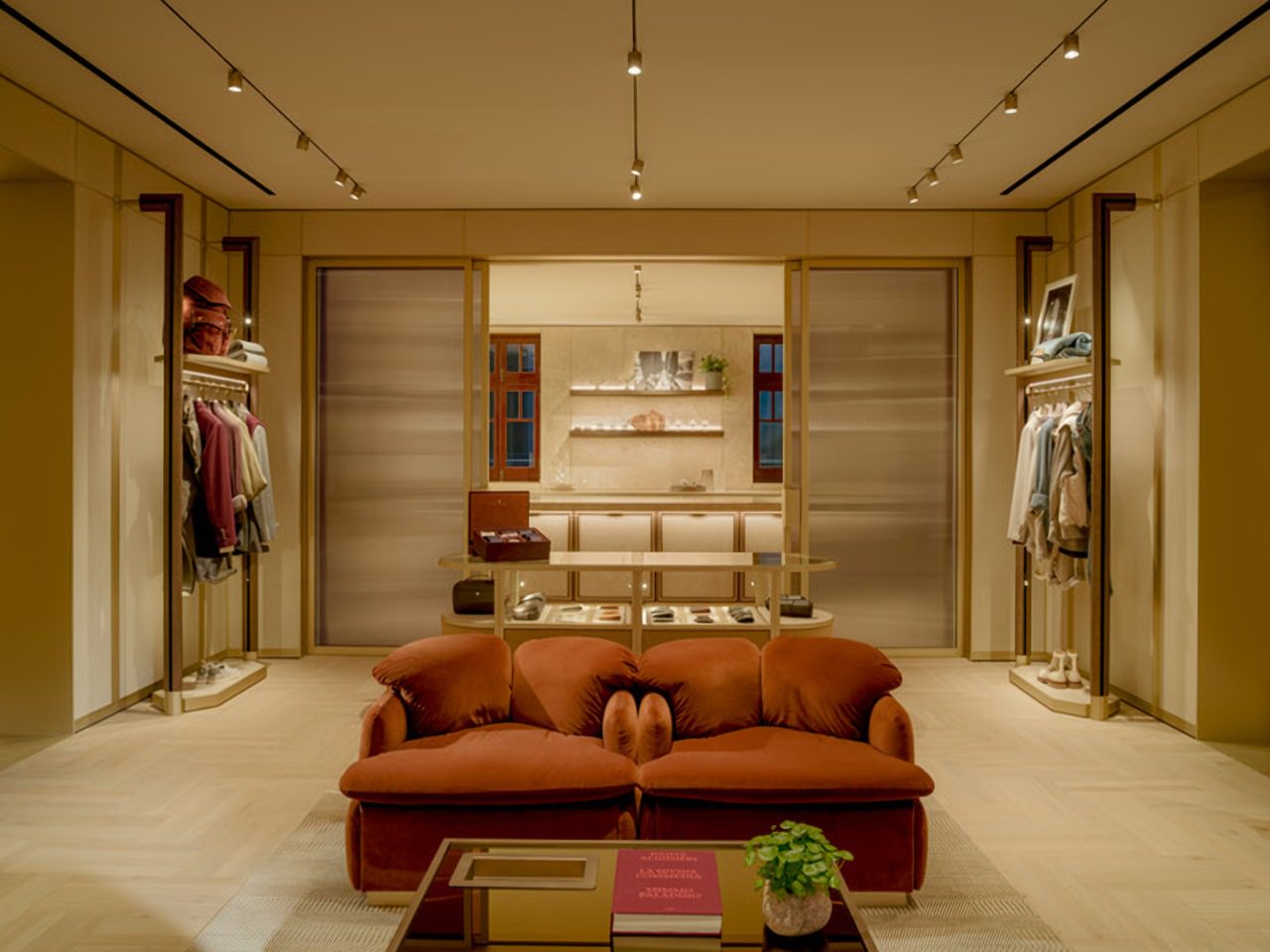
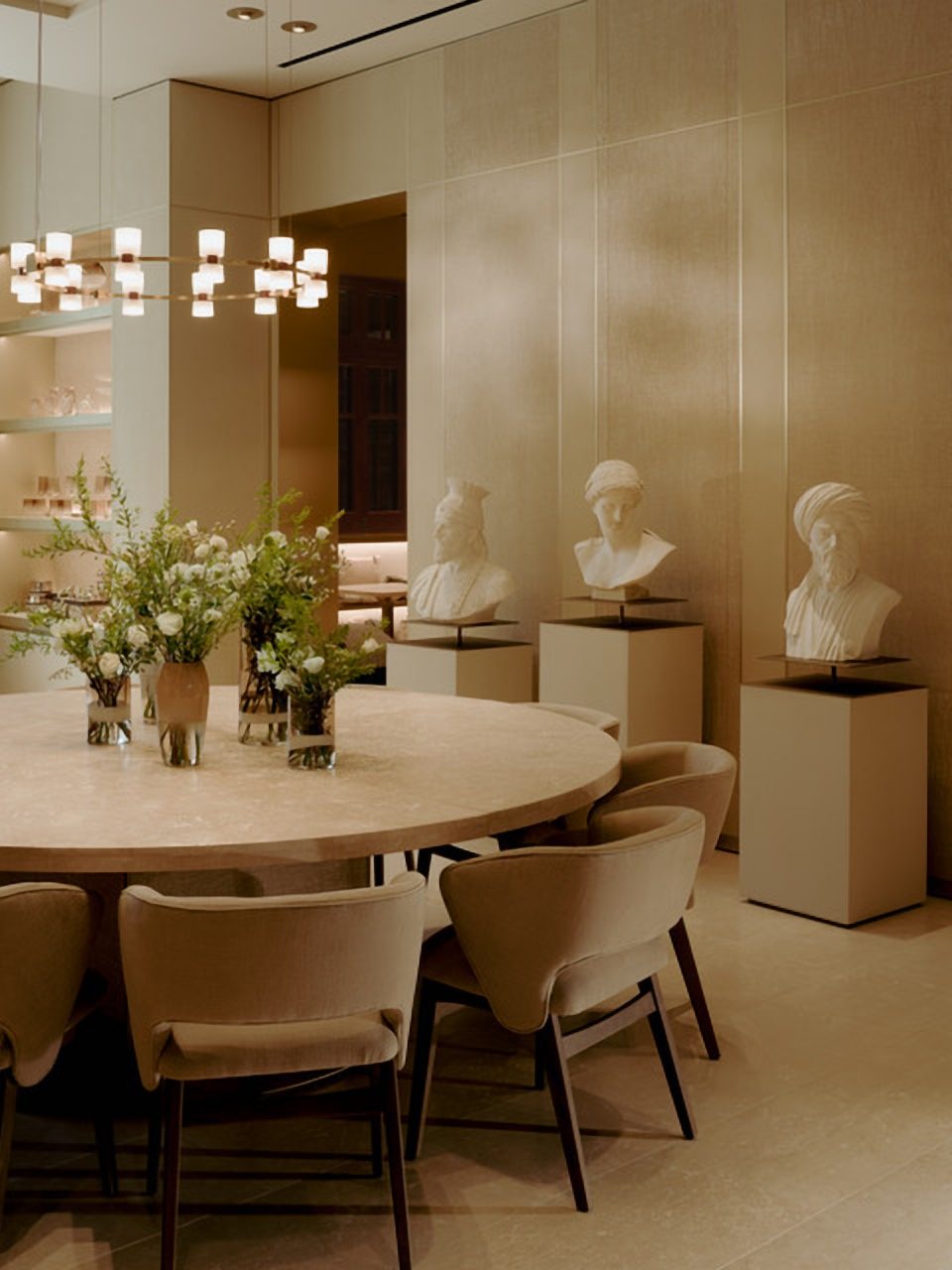
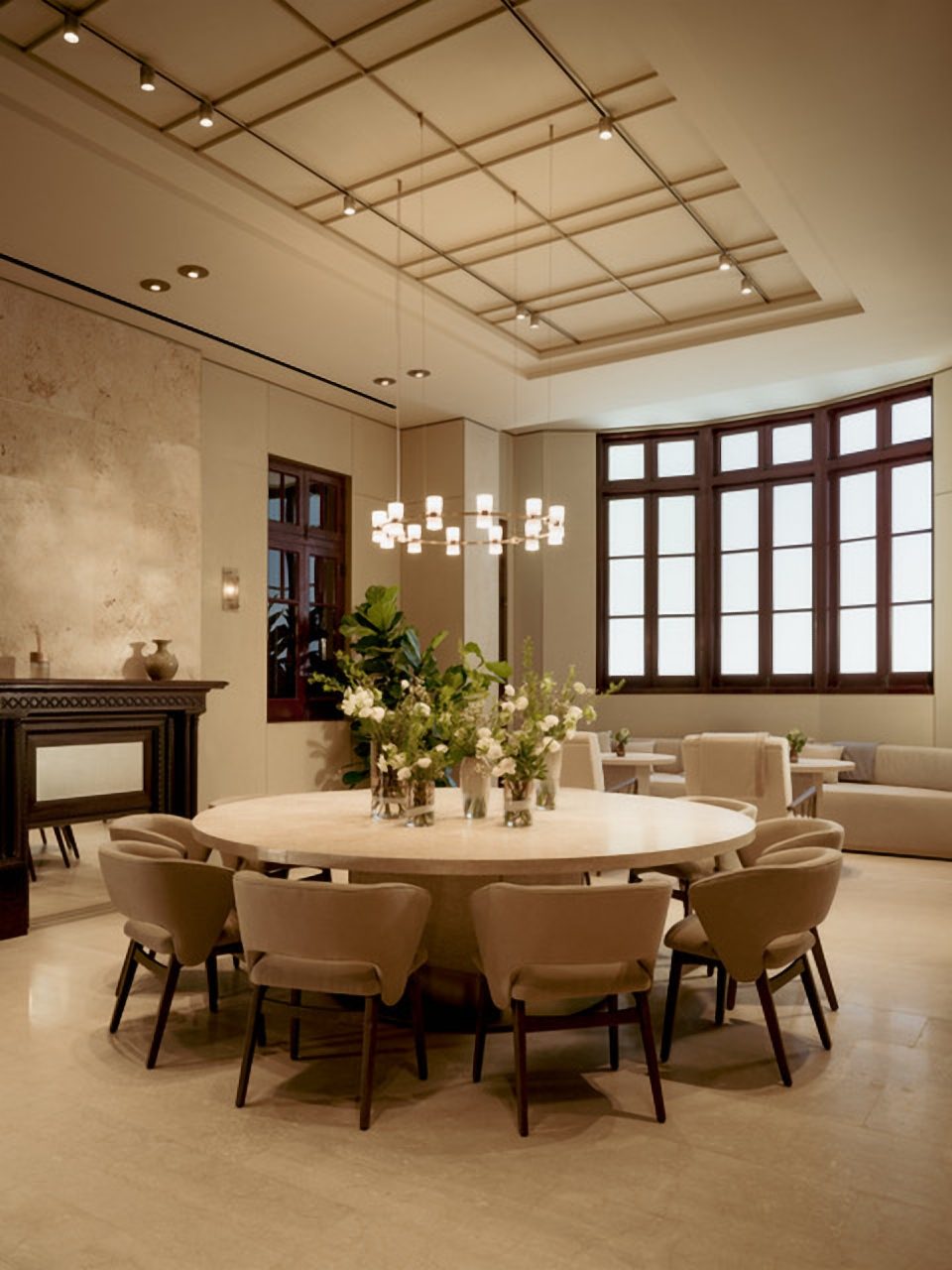
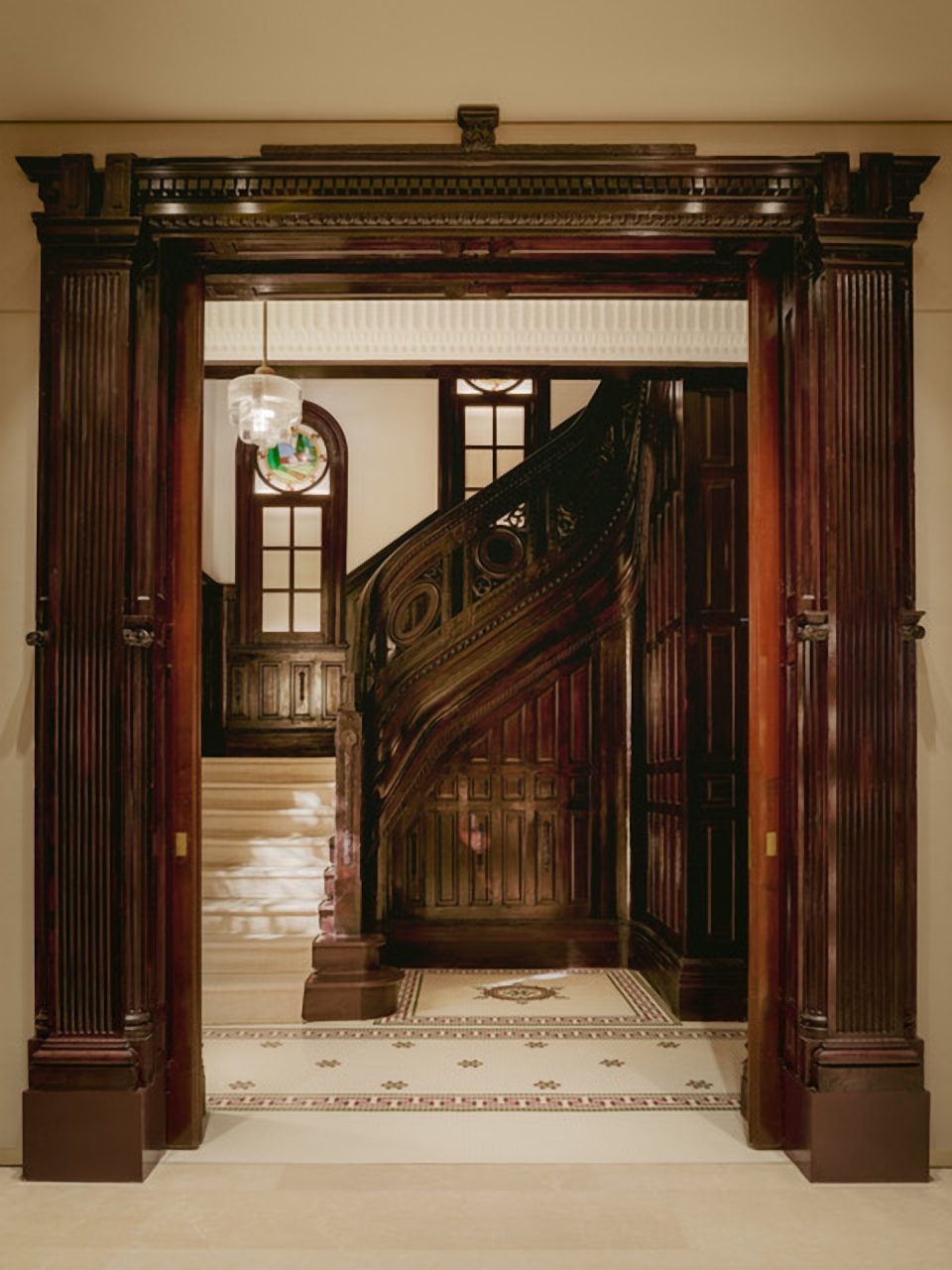
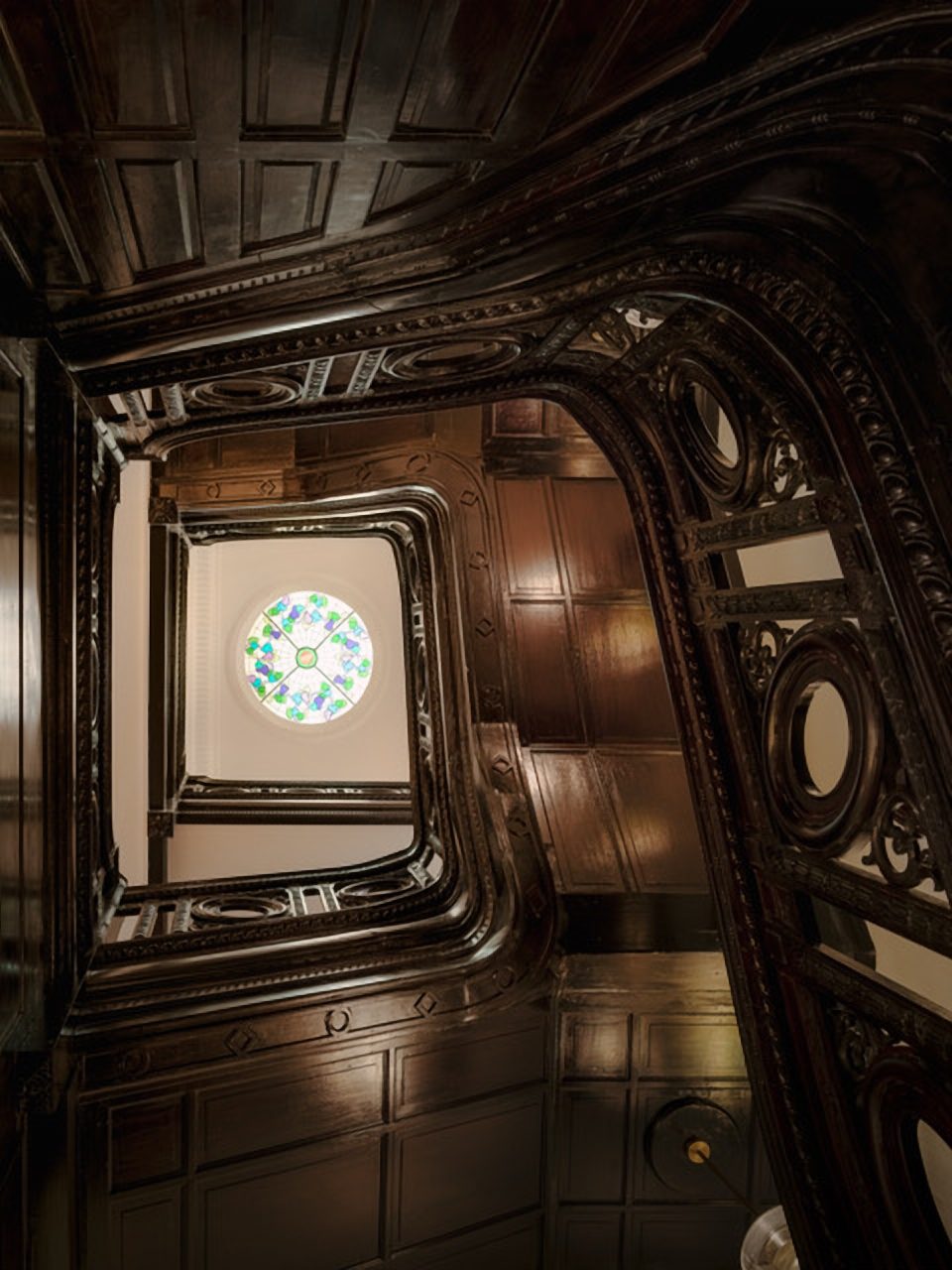
The materials palette stays close to the original character of Cao Zhai, with Botticino marble and parquet flooring complemented by clay, jute and discreet brass accents. Beige fabrics and leathers in dark earth and pale stone tones add warmth, while bronze mirrors and glass bring light and depth to the boiserie, library details, tables and doors.

Terry Clark is the Publisher and Content Director of 365 Retail, with more than a decade of experience covering retail design, technology innovations, store openings and the wider retail industry. He also works closely with leading retailers, suppliers, agencies, events and industry awards across the UK.
Related Posts