









Between half term and the January sales, a retail site has no spare trading days. Water through a stockroom ceiling costs a great deal more than the repair: stock gets moved, a section of floor gets taped off, and customers walk past a bucket in the aisle on their way to the tills.
The repair itself is rarely the hard part. Finding someone competent to carry it out in the 48 hours after a storm is. Sites that get through winter without losing a trading day have usually done the work in October, when a roofer can be booked at a normal rate instead of a premium one.

What weather damage now costs
The ABI’s 2025 property claims data is the clearest public marker of where weather losses have gone. Insurers paid £6.1 billion in property claims last year, the highest annual total on record. Weather-related claims reached £1.2 billion, up 14% on 2024, and storm damage to homes alone came to £244 million, a 32% increase, with the average storm payout at £2,450.
Those are household policies, and they matter to a facilities team as a signal rather than a benchmark. Commercial buildings face the same weather on a larger footprint, and every closed day carries a turnover figure that no repairs invoice will ever show.
The inspection that pays for itself
A roof survey is a job for someone competent to be up there, which is a different thing from someone willing. The NFRC’s client advice for arranging a roof survey puts the responsibility on the client to check that whoever is appointed can do the survey safely, before they are on the roof.
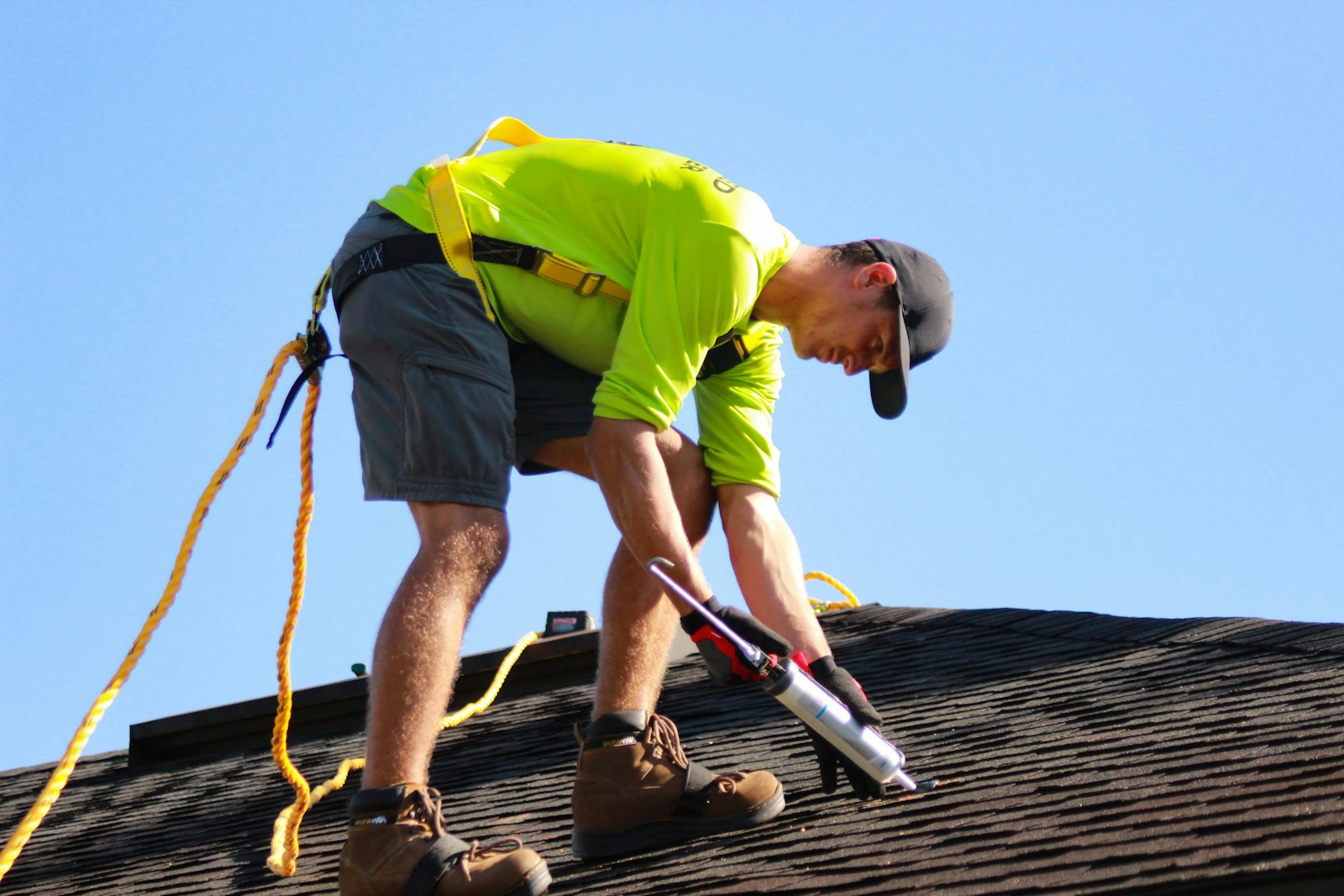
The list for a retail site is short and unglamorous. Rainwater goods and outlets come first, because a blocked outlet pushes water back under the membrane and into the deck. Then flat roof seams and upstands, roof lights and their seals, flashings around chimneys and plant, and the internal signs that get ignored until December: stained ceiling tiles, daylight at a joint, damp at the top of a wall. Photograph what you find and date it, because an insurer will ask when the damage first appeared.
Heating plant needs the same treatment before the cold lands. A boiler that has idled through a warm autumn is being asked to carry a shop floor and an office block for the first time on the coldest week of the year, and that is when it fails, usually on a Saturday morning with a queue outside.
Know the rate before you need it
The worst time to learn what a roofer costs is the morning after a storm, when the premium version of the invoice arrives with the water. National figures give a baseline: roofer rates average £29 an hour and £207 a day, with most roofers falling between £21 and £39 an hour. London runs higher, at around £43 an hour and £270 a day.
Small repairs cost less than most site managers expect. A leaking roof repair sits around £100, a gutter replacement £150, lead flashing £575, and a flat roof replacement £600. A full roof replacement averages £5,500, which is why a repair that is deferred for two winters rarely stays a repair.
Watch the terms as closely as the headline number. Day rates are per person, and quotes frequently exclude VAT and callout charges, which is how two quotes for the same job end up looking further apart than they really are.

Build the list before December
Every site should have two roofing contractors on file, not one, and both should be checked before the weather turns: public liability cover, competence and certification, a written day rate, out of hours terms, and a named person who answers the phone at six in the morning.
Multi-site operators often prefer a national framework for consistency of paperwork. Local contractors are frequently on site faster, and on a leak the first hour matters more than the contract terms. A sensible arrangement uses both, with the local firm as the first call between November and February.
The first 48 hours
Make the site safe, then document everything, then call. Photographs with times, the damaged material kept until a loss adjuster has seen it, and dates rather than impressions given to the broker. Temporary repairs count as mitigation and usually help the claim. The permanent repair waits for the weather to lift and for the roofer to get up there safely.
The difference between a nuisance and a lost trading week is usually whether a roofer’s number was already in someone’s phone on the morning the ceiling went.

Terry Clark is the Publisher and Content Director of 365 Retail, with more than a decade of experience covering retail design, technology innovations, store openings and the wider retail industry. He also works closely with leading retailers, suppliers, agencies, events and industry awards across the UK.