





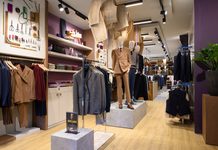

Seasonal campaigns give retailers a reason to change the customer experience without rebuilding the entire store. A strong campaign can alter how shoppers move through a space, what products they notice and how they remember the brand.
The most effective campaigns are not simply collections of seasonal decorations. They combine visual merchandising, promotional messaging, product placement and customer engagement. Each element should support the same commercial objective.


Start With a Clear Seasonal Concept
Every campaign should begin with one defined idea. It could focus on a holiday, local event, change of season or customer lifestyle. The concept then becomes the framework for displays, signage, window treatments and digital content.
This approach prevents visual clutter. It also makes execution easier across multiple locations. A retailer can create a core design system and adapt it according to store size, product range and local customer behaviour.
The visual system should define:
- Primary and secondary colours
- Typography and headline treatments
- Key imagery
- Promotional messages
- Product groupings
- Signage locations
- Digital and social media assets
Consistency matters because shoppers should recognise the campaign before they read every message.
Make Outdoor Space Part of the Campaign
Retailers often concentrate seasonal merchandising inside the store. That can mean missing one of the most useful areas for attracting attention. Exterior space can act as the first stage of the customer journey.
For stores with gardens, forecourts or pedestrian-facing areas, custom garden flags can provide a flexible way to communicate seasonal offers, events or brand messages. Their placement can be changed as campaigns progress, allowing retailers to update the exterior without investing in permanent signage.
The positioning of outdoor messaging should be deliberate. Flags should be visible from common pedestrian approaches and should not compete with essential safety or wayfinding signs. Short messages generally work better because shoppers may only have a few seconds to process them.
Build Displays Around Shopper Missions
A seasonal display should help customers find something rather than simply look attractive. Grouping products around a specific shopping mission can reduce search time and create opportunities for additional purchases.
For example, a summer campaign could create separate zones for outdoor entertaining, travel essentials and seasonal gifts. A Christmas campaign could use similar logic for stocking fillers, family gifts and premium purchases.
Retailers should examine sales data from previous campaigns before finalising product placement. High-margin products can occupy strong visual positions, while complementary products can be placed nearby to encourage basket building.
Use Windows as Conversion Points
A window display has a different job from an interior merchandising unit. It needs to communicate the campaign quickly and persuade people to enter.
The strongest window displays usually have one dominant focal point. Too many products can weaken the message. Instead, retailers can select a small number of representative products and build a visual story around them.
Lighting also needs technical consideration. Reflections from glass can reduce visibility during daylight, while insufficient contrast can make displays disappear after dark. Retailers should test windows at different times rather than evaluating them only during installation.
Create Seasonal Content Customers Can Keep
Physical retail campaigns can become more valuable when customers have something tangible to take away. Printed material can support product education, brand storytelling or gift inspiration without relying entirely on digital screens.
A retailer could produce photo books as a brochure or portfolio showing seasonal collections, previous installations, product combinations or examples of how products can be used. This can work particularly well for furniture, interiors, fashion, gifting and specialist retail, where customers may need more information before making a purchase.
The format should support the sales process. Product images need sufficient resolution, descriptions should be concise and pricing should be easy to locate. QR codes can also connect printed content with product pages or campaign landing pages.
Design Campaigns for Multiple Channels
A seasonal campaign should not stop at the shopfront. Customers may encounter the same promotion through email, social media, search, paid advertising and the retailer’s website.
The campaign should therefore use a shared set of assets. The same headline, photography and visual cues can be adapted to different screen sizes and physical formats.
This creates an omnichannel experience. A customer might see a seasonal product on Instagram, encounter the same creative in a shop window and then find the product through an in-store QR code.
Use Experiences Instead of Relying on Discounts
Discounts can create immediate demand, but they are not the only way to make seasonal campaigns commercially effective. Retailers can use demonstrations, workshops, sampling, competitions or themed events to give shoppers another reason to visit.
This is particularly relevant when competing products are widely available online. An in-store experience gives customers something that a product page cannot easily reproduce.
Recent retail research supports the importance of seasonal activity. The National Retail Federation reported that 2025 holiday sales in November and December were forecast to grow between 3.7% and 4.2%, reaching between $1.01 trillion and $1.02 trillion in the US.
Plan the Next Campaign Before This One Ends
Seasonal retail campaigns produce useful operational data. Retailers should record which displays attracted attention, which products performed best and where customers encountered problems.
Photography can also create a useful visual record. Teams can document successful displays and store them with sales results, campaign dates and installation costs. This creates a practical reference library for future planning.
The goal is not to repeat every successful campaign exactly. It is to understand which principles worked and adapt them to the next seasonal opportunity.
Effective seasonal retail is ultimately about relevance. The campaign needs to look different enough to attract attention while remaining recognisable as part of the brand. When exterior messaging, merchandising, printed content, digital channels and in-store experiences work together, seasonal activity becomes more than decoration. It becomes a structured retail tool for attracting customers, improving discovery and supporting sales.

Terry Clark is the Publisher and Content Director of 365 Retail, with more than a decade of experience covering retail design, technology innovations, store openings and the wider retail industry. He also works closely with leading retailers, suppliers, agencies, events and industry awards across the UK.