




Retail spaces rely on atmosphere as much as on products. Every surface contributes to how customers feel when they enter, browse, and decide to buy. Walls, in particular, can either fade into the background or serve as a powerful tool for communication. Printed wall graphics give retailers a practical way to use those surfaces for storytelling, guidance, or brand expression. Instead of seeing walls as static boundaries, many shops now treat them as flexible parts of their marketing environment.

The Practical Role of Custom Printed Wall Graphics
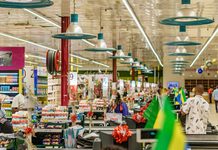
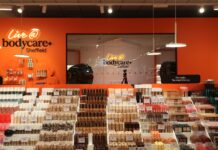
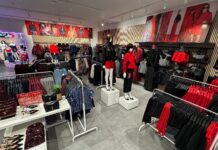
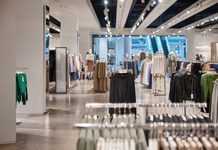
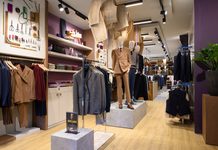
Custom printed wall graphics can transform retail interiors into recognisable spaces that align with brand identity. A grocery chain might use them to define sections, while a fashion store could use them to show a seasonal message. Unlike paint, printed designs can change quickly to match campaigns or product launches. They also minimise disruption during updates, as application and removal are straightforward when handled correctly.

Material options vary, allowing retailers to choose finishes that match the space’s tone. Some prefer smooth vinyl for clean, modern lines, while others opt for textured films that mimic fabric or plaster. When combined with other design elements such as lighting and layout, graphics can turn a plain wall into a purposeful feature that supports both navigation and visual appeal.
Design Choices That Shape Experience
The design process behind wall graphics involves more than picking colours or logos. It includes considering how people move through the shop and what messages are most effective at different points. Graphics near entrances often focus on brand recognition, while those near product areas might highlight values or promotions.
Scale plays a big role. Oversized prints can anchor attention, while smaller patterns can fill transitional spaces without overwhelming them. When retailers collaborate with experienced designers, they often produce layouts that work with the building’s dimensions and lighting.
Materials, Durability, and Indoor Use
Printed wall graphics are typically made for indoor use, using materials designed to adhere securely to surfaces such as plaster, painted drywall, or glass. High-quality vinyl and fabric films resist wear and can last for years if maintained properly. Some films are repositionable, allowing adjustments during application. Others use strong adhesives suitable for high-traffic areas.
The durability of these materials depends on environmental factors like humidity, cleaning routines, and sunlight exposure. Regular maintenance keeps them looking fresh, though replacement is simple when designs need updating. The flexibility of printed graphics makes them more adaptable than permanent murals or painted artwork.
Planning and Installation
Before applying any wall covering, retailers often consult specialists to assess surface conditions. A professional installation team can handle measurement, surface preparation, and fitting to avoid air pockets or misalignment. Precision matters most along seams and corners, where mistakes tend to show.
Installing graphics during off-hours or before opening minimises interference with trading. Many providers also offer temporary graphic systems that can be removed without damaging walls, making them ideal for promotions or seasonal redesigns. Thoughtful scheduling and preparation ensure the process runs efficiently and the final finish looks intentional.
Integrating Visual Elements
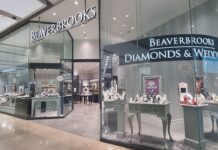
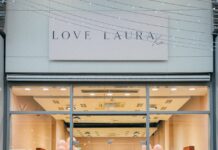
Retailers rarely treat walls in isolation. Graphics often connect with other features such as window graphics, signage, and product displays. This coordination builds visual consistency throughout the space. When colours, typography, and imagery align, the entire environment feels cohesive.
Graphics can also tie into broader visual merchandising efforts. A retail chain might repeat a graphic motif across walls, displays, and packaging, reinforcing its identity. This approach allows customers to recognise the brand experience from one location to another, creating a subtle but effective continuity.

Extending Value to Offices and Back-of-House Areas
Printed graphics also contribute beyond public-facing areas. Offices, meeting rooms, and staff corridors can benefit from thoughtful wall decoration. Simple imagery or typography can remind teams of company values or achievements. It brings personality to spaces that might otherwise feel plain.
This same thinking applies to office branding, where visual cues support internal culture. For retailers with headquarters or design studios, consistent branding across workspaces can connect internal teams with the message seen in-store. It turns decoration into a communication tool rather than an afterthought.
Conclusion
Printed wall graphics have moved from a decorative option to a standard design feature in retail environments. They combine practicality with creative potential, letting businesses adapt their spaces without major renovations. From concept to application, the process relies on thoughtful planning, good materials, and skilled fitting.
When used intelligently, these graphics turn walls into active parts of a brand’s communication strategy. They help retailers express identity, guide customers, and refresh interiors as needs change. In a competitive market, visual clarity can shape how shoppers feel about a space, and that impression often lingers long after they leave.

Terry Clark is the Publisher and Content Director of 365 Retail, with more than a decade of experience covering retail design, technology innovations, store openings and the wider retail industry. He also works closely with leading retailers, suppliers, agencies, events and industry awards across the UK.