



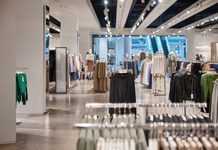

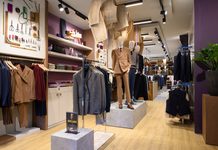

In the fast-paced world of retail, capturing customer attention is more crucial than ever. As we navigate the evolving landscape of marketing, QR codes have emerged as a powerful tool for measuring the effectiveness of window displays, out-of-home advertising, and print media. These little squares not only bridge the gap between physical and digital experiences but also provide valuable insights into consumer behavior, especially when teams spin up trackable codes with a free QR code generator.
By leveraging a QR code generator, we can create unique codes that track engagement and interactions in real-time. This data helps us refine our strategies and maximize our return on investment. As we explore the impact of QR codes on retail media, we’ll uncover how they transform traditional advertising into a dynamic, measurable experience that drives sales and enhances customer engagement.


Understanding QR Code Generator
A QR code generator offers a simple way to create scannable codes that bridge the gap between physical marketing and digital engagement. These tools empower retailers to enhance their advertising efforts by integrating valuable data collection.
What Are QR Codes?
QR codes, short for Quick Response codes, are two-dimensional barcodes that store information accessible via a smartphone camera. We encounter them on various products and advertisements, allowing consumers to quickly access promotional material, websites, or apps by scanning the code. QR codes can store various data types, including URLs, texts, or contact information. Retailers utilize QR codes to streamline customer experiences, provide additional product details, and facilitate quick purchasing decisions.
How QR Code Generators Work
QR code generators allow users to input data and select design options for their codes. After entering the desired information, users click a button to create the code instantly. We find various QR code generators available, ranging from free online tools to paid platforms offering advanced features. Many generators also allow customization, enabling brands to adjust colors, logos, and sizes, enhancing brand visibility. Once generated, the code can be downloaded and printed, or embedded in digital materials. Tracking tools integrated with many generators provide insightful metrics on engagement.
Importance of Measuring Window Displays
Measuring window displays is vital for maximizing retail impact. Accurate data enhances overall marketing strategies and helps us understand customer interactions.
Benefits of Measurement
We gain numerous benefits from measuring window displays. First, measurement allows us to understand which visual elements attract the most attention. Second, it enables us to assess the effectiveness of different promotional campaigns. Third, real-time data collected through QR codes helps us to make quick adjustments to our displays, ensuring continuous improvement. Finally, measuring foot traffic and engagement provides insights into customer behavior, informing our future marketing decisions.
Key Metrics for Success
Tracking key metrics ensures we evaluate the success of our window displays effectively. We focus on foot traffic, which quantifies the number of people viewing our displays. Conversion rates reveal how many viewers engage further, such as scanning a QR code. Additionally, we analyze dwell time, indicating how long customers spend interacting with our displays. Collectively, these metrics provide valuable insights, enabling us to refine our strategies and enhance overall effectiveness in retail media.
Impact of OOH (Out-Of-Home) Advertising
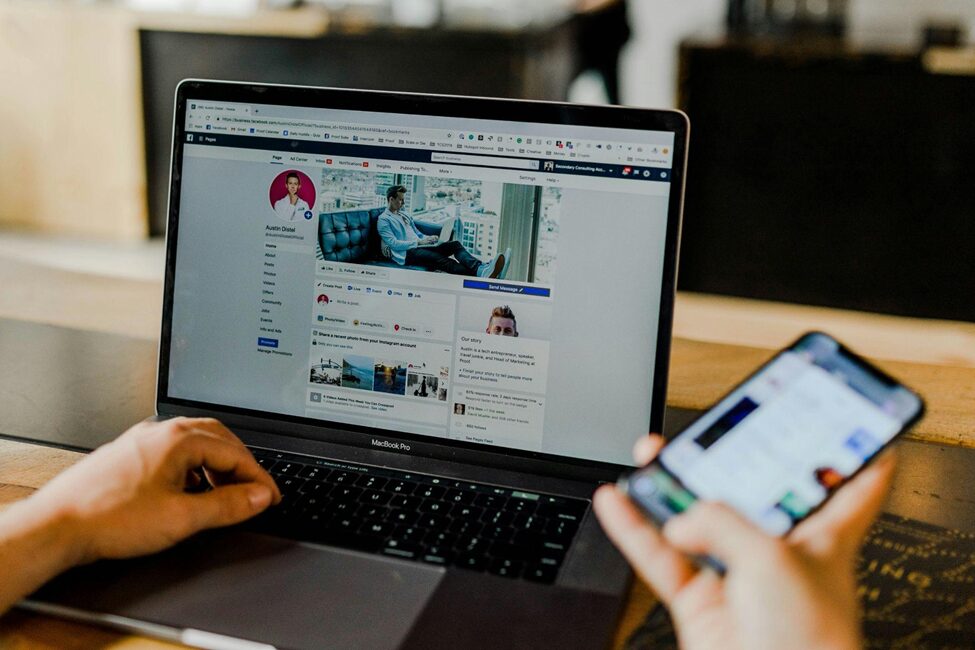
Photo by Austin Distel on Unsplash
OOH advertising significantly impacts consumer engagement and brand visibility. Integrating innovative tools like QR codes enhances the effectiveness of these campaigns.
Integrating QR Codes in OOH Campaigns
Integrating QR codes into OOH campaigns allows for seamless interaction between physical advertisements and digital content. We can place QR codes on billboards, bus shelters, and transit ads, directing consumers to promotional websites or apps. Retailers utilize these codes to offer exclusive deals and interactive experiences, fostering customer engagement. By capturing user data during interactions, we gather valuable insights into which locations and messages resonate most. This integration strengthens brand recall and stimulates immediate consumer actions, ultimately increasing conversion rates.
Tracking Engagement and Reach
Tracking engagement and reach through QR codes provides crucial metrics for evaluating OOH advertising effectiveness. We monitor scan rates, location analytics, and demographic data to assess audience interaction with our campaigns. This tracking enables us to identify high-performing locations and make data-driven adjustments. For instance, we can analyze foot traffic changes in real-time, adapting our strategies to optimize results. By understanding audience behaviors, we refine our OOH advertising tactics, ensuring maximized engagement and improved return on investment.
Utilizing Print Media Effectively
Print media offers a unique opportunity to engage consumers directly. When integrated with QR codes, print campaigns can enhance customer interactions and provide measurable results.
Best Practices for Print QR Codes
We recommend several best practices for incorporating QR codes into print media. Ensure visibility by placing QR codes in prominently featured areas. Utilize contrasting colors for improved scanability. Include a clear call to action, guiding customers on what to expect after scanning. Optimize the linked content for mobile devices, ensuring a seamless experience. Test QR codes before distribution to confirm functionality, and track performance metrics post-campaign to make informed decisions for future efforts.

Terry Clark is the Publisher and Content Director of 365 Retail, with more than a decade of experience covering retail design, technology innovations, store openings and the wider retail industry. He also works closely with leading retailers, suppliers, agencies, events and industry awards across the UK.