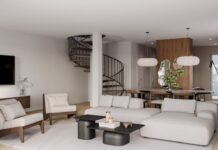


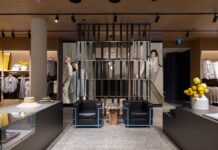
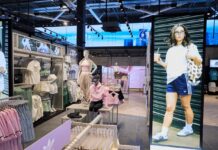




The best hotels in the world have known something for decades that retail is only beginning to act on. The physical environment is not just a backdrop. It is part of the product.
This is not about aesthetics for their own sake. It is about understanding that how a space feels directly influences how long people stay, how much they spend, and whether they come back. Hospitality has built entire disciplines around this. Retail, for the most part, has optimised for transaction speed and floor space efficiency instead.

That gap is closing. And the lessons worth borrowing are more practical than most retailers expect.
The comfort problem retail ignores
Walk into almost any luxury hotel event space and you will find luxury event seating specified with the same care as the lighting, the flooring, and the table linens. The reasoning is straightforward: guests who are uncomfortable leave. Guests who are comfortable stay longer, order more, and associate the venue with a positive experience.
Retail has largely treated seating as an afterthought. A few chairs near the changing rooms. A bench by the entrance for waiting partners. The implicit message being that lingering is not really the point.
For transactional retail, that logic held. For experiential retail, it is actively counterproductive. If a brand wants customers to spend an hour at a launch event, attend a private shopping evening, or settle into a VIP consultation, the physical comfort of the space cannot be an afterthought. It has to be designed for.
What hospitality actually gets right
The hospitality sector’s advantage is not budget. Plenty of retail flagships outspend hotel interiors on fit-out. The advantage is intention.
Every element of a well-designed hotel event space serves a purpose. Seating is selected for durability under heavy commercial use, for comfort over extended periods, and for visual coherence with the wider environment. Fire retardancy standards are met. Stackability and storage are considered. The furniture works as hard as the staff.
Retail spaces that host events regularly are discovering the same requirements apply. A chair that looks right in a catalogue photograph but deteriorates after six months of use, or that guests find uncomfortable after thirty minutes, undermines the entire event proposition. The investment in the experience is wasted if the fundamentals are wrong.
The experiential retail opportunity
The numbers make the case clearly enough. Footfall in physical retail continues to face pressure from online competition. The stores that are growing their in-person traffic are overwhelmingly those offering something that cannot be replicated on a screen: genuine experiences, personalised service, and environments worth visiting.
Luxury and premium retailers are particularly well placed to act on this. Their customers already expect a higher standard. An in-store event or VIP evening is a natural extension of the brand relationship, provided the space can deliver it credibly.
That credibility depends on details. The quality of the furniture in a private shopping event communicates something about the brand’s standards just as clearly as the quality of the products on display. Mismatched, worn, or visibly budget seating does not belong in a space claiming to offer a premium experience. Hospitality figured this out long ago.
The practical shift
None of this requires a complete fit-out overhaul. The retailers making the most progress are those treating event capability as a specification consideration from the outset, choosing furniture that performs under commercial use conditions, meets the relevant safety standards, and works visually across different event configurations.
That is a procurement decision, not an interior design project. It requires thinking about the space not just as a shop floor but as a venue, and applying the same rigour that hospitality has always applied to its event environments.
The physical store is not going anywhere. But its role is changing. Retailers who understand that and design accordingly, borrowing from a sector that has always taken the guest experience seriously, are the ones building spaces people genuinely want to spend time in.
That is the lesson. It is not complicated. It is just rarely applied.