








Introduction
Rising energy costs and growing sustainability expectations are forcing UK businesses to rethink how they buy electricity. Commercial solar installation has become one of the best long-term solutions, allowing businesses to reduce operational costs, cut carbon emissions and gain control over energy usage.
Across the UK, warehouses, factories, offices, retail spaces and commercial estates are investing in solar energy to future proof their operations. With better solar technology, supportive government policies and growing awareness of environmental responsibility, solar power is no longer a niche option – it’s a mainstream business strategy.

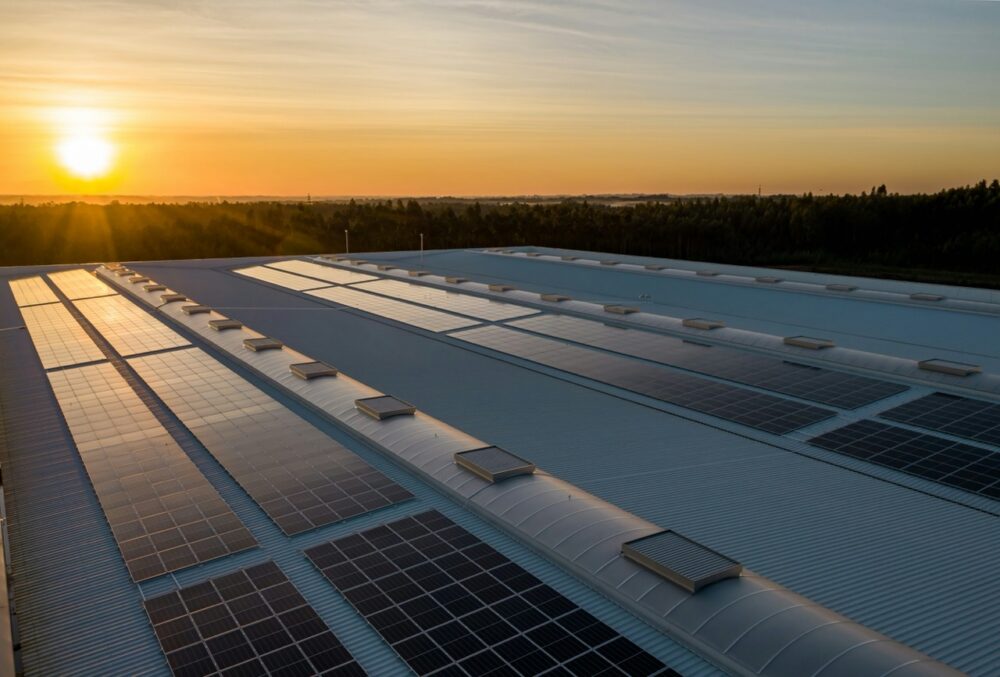
This article covers commercial solar installation in the UK. It explains how systems work, the installation process, financial and environmental benefits and government incentives. Whether you’re a small business or a large commercial organisation, this guide will help you understand how solar can support your business goals.
Commercial Solar Installation
Commercial solar installation refers to the design, supply and installation of solar photovoltaic (PV) systems on business premises. These systems convert sunlight into electricity to power day-to-day operations.
Unlike residential solar systems, commercial installations are larger and more complex. They are designed based on:
- Energy usage patterns
- Roof or land availability
- Structural capacity
- Business operating hours
Solar panels are installed on rooftops, carports or unused land. Once installed the system generates electricity during daylight hours, reducing the amount of power needed from the grid.
Why UK Businesses Are Choosing Solar Energy
Rising Energy Costs
Energy prices in the UK have risen significantly in recent years, putting pressure on multiple sectors. Commercial solar panels allow businesses to generate their own electricity, reducing exposure to market volatility and long term price rises.
Sustainability Commitments
Many UK businesses are now required to meet sustainability targets or Environmental, Social and Governance (ESG) standards. Solar energy helps with carbon reduction and demonstrates a commitment to responsible business practices.
Long Term Cost Control
Solar systems last for 25 to 30 years. Once installed they offer predictable energy costs and strong returns over time.
The Commercial Solar Installation Process
A successful commercial solar project follows a structured process to maximise performance and return on investment.
1. Site Assessment and Feasibility StudyThe first step is a detailed site assessment. This includes:
- Roof orientation and angle
- Available surface area
- Structural integrity
- Shading analysis
- Current and projected energy usage
The feasibility study determines system size, expected energy generation and potential savings.
2. System Design and Engineering
Once feasibility is confirmed, engineers design a bespoke solar system. This includes:
- Panel layout
- Inverter selection
- Electrical configurations
- Grid connection planning
The design ensures compliance with UK building regulations and grid standards.
3. Planning Permission and Approvals
Most rooftop commercial solar installations fall under permitted development rights. However, listed buildings or conservation areas may require planning approval. Grid connection approval from the Distribution Network Operator (DNO) is also arranged at this stage.
4. Installation and Commissioning
Installation takes a few days to several weeks depending on system size. After installation the system is tested and commissioned to ensure optimal performance and safety.
5. Monitoring and Maintenance
Modern systems include monitoring software that allows businesses to track energy production and savings in real time. Routine maintenance ensures long term efficiency.
Financial Benefits of Commercial Solar Installation
Reduced Energy Bills
By generating electricity on-site businesses reduce the amount of power purchased from the grid. Many organisations save thousands of pounds annually.
Strong Return on Investment
Commercial solar systems in the UK typically achieve payback within 4 to 7 years. After this period the electricity generated is effectively low cost for the remainder of the system’s life.
Smart Export Guarantee (SEG)
If your system generates more electricity than your business uses, the excess can be exported to the grid under the Smart Export Guarantee. This provides an additional revenue stream.
Tax and Capital Allowances
Businesses may benefit from tax relief schemes such as capital allowances which can further improve project economics.
Environmental and Corporate Benefits
Reduced Carbon Emissions
Solar energy is a clean, renewable source of power. Commercial solar installation reduces a company’s carbon footprint and reliance on fossil fuels.
Enhanced Brand Reputation
Sustainability influences purchasing decisions, partnerships and investor confidence. Businesses using renewable energy are often viewed more positively by customers and stakeholders.
Compliance with Regulations
Solar power supports compliance with current and future environmental regulations, helping businesses avoid penalties and reputational risks.
Commercial Property Value and Tenant Appeal Properties with solar installations are becoming more attractive in the commercial property market. Benefits include:
- Lower operating costs
- Improved Energy Performance Certificate (EPC) ratings
- Higher asset value
- Increased tenant demand
For landlords and property investors solar panels are an energy solution and a value adding asset.
The Future of Commercial Solar in the UK
The UK’s commitment to net-zero emissions by 2050 will continue to drive renewable energy adoption. Advances in solar technology will increase efficiency and reduce costs, making solar more accessible to businesses of all sizes.
Battery storage integration, smart energy management systems and improved grid infrastructure will further cement the role of solar in commercial settings.
Commercial solar installation is no longer just an environmental choice – it’s a business investment.
Conclusion
Commercial solar installation in the UK is a powerful way for businesses to reduce energy costs, improve sustainability and gain long term financial stability. With government support, proven technology and rising energy prices solar is a smart and future proof decision.
Whether you have a small commercial unit or a large industrial facility investing in solar will change how your business uses power – today and for decades to come.

Terry Clark is the Publisher and Content Director of 365 Retail, with more than a decade of experience covering retail design, technology innovations, store openings and the wider retail industry. He also works closely with leading retailers, suppliers, agencies, events and industry awards across the UK.