











The European Union’s Corporate Sustainability Reporting Directive is drawing thousands of additional companies into its reporting framework in 2026. For retail professionals and corporate buyers, this expansion carries an underappreciated consequence: the branded giveaways handed out at trade fairs, conferences and in welcome packages now form part of a company’s auditable sustainability footprint.
That pressure does not stand alone. The European Commission’s proposed Green Claims Directive, which targets unsubstantiated environmental marketing language, adds a second layer of accountability for anyone sourcing or distributing promotional items. Together, these regulatory instruments are rewriting the procurement playbook for branded merchandise across the continent.

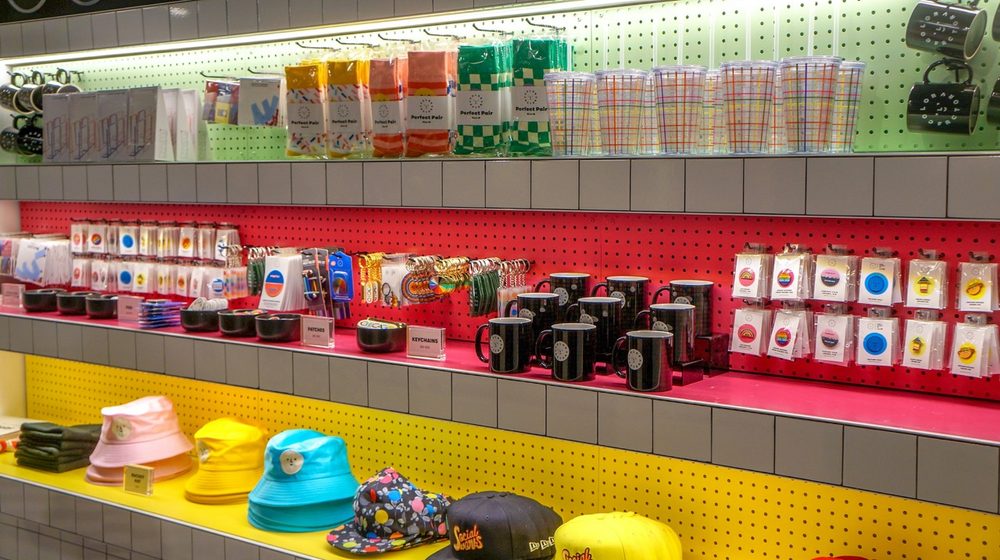
Businesses ordering sustainable promotional products now face a landscape where every claim on a tote bag, pen or notebook can be challenged. A product labelled “eco” without third-party certification, or a water bottle marketed as “green” without verifiable material data, risks exposing the buyer to both regulatory and reputational fallout. The era of token gestures in corporate gifting is closing rapidly.
How the CSRD’s Second Phase Reaches Promotional Procurement
The CSRD, adopted as Directive (EU) 2022/2464, began its phased introduction with the largest listed companies reporting for financial year 2024. The second wave, covering large companies that exceed defined thresholds for employee count, turnover and balance sheet total, requires sustainability disclosures for financial year 2025. Thousands of organisations across EU member states are affected by this expansion.
What connects this to the promotional products sector is the directive’s emphasis on value chain reporting. Companies must account for the environmental and social impact of their procurement activities, and that includes branded gifts, event materials and employee onboarding kits. A retailer ordering ten thousand printed cotton bags for a seasonal campaign now needs documentation showing those bags align with the sustainability commitments published in its annual report.
Procurement teams at organisations already subject to CSRD obligations are requesting certifications, material composition breakdowns and supply chain transparency data from their merchandise suppliers. The cheapest catalogue option is no longer automatically the default choice when compliance is at stake.
Green Claims Under Regulatory Scrutiny
Running parallel to the CSRD is the Green Claims Directive proposed by the European Commission in March 2023. This initiative targets vague environmental assertions in both business-to-consumer and business-to-business communication. Terms such as “eco-friendly”, “natural” or “climate neutral” would need substantiation through recognised scientific methodologies before appearing on products or in marketing.
For the promotional merchandise industry, this carries real weight. Suppliers who describe their product ranges as sustainable without independent verification risk falling on the wrong side of incoming rules. Buyers, in turn, need to look beyond self-declared labels and check for recognised standards such as GOTS for organic textiles, FSC for responsibly sourced paper, or Fairtrade certification for cotton goods.
Barneveld-based specialist Greengiving.eu, which holds an EcoVadis medal and stocks over 1,200 certified eco promotional items for business clients across Europe, illustrates how parts of the industry have already adapted. Yet the broader market still contains a significant share of suppliers whose environmental claims rest on little more than marketing copy. The Green Claims Directive aims to close precisely that gap.
Retail Procurement Teams Face a Narrowing Window
Retail organisations sit at a particularly visible intersection of these regulations. Their own sustainability reports must withstand audit scrutiny, while the branded items they use at in-store events, product launches and staff programmes contribute to their measured environmental footprint. A retailer distributing single-use plastic merchandise whilst simultaneously publishing a net-zero roadmap creates an obvious credibility problem.
Shifts in purchasing behaviour are already visible across northern Europe. Reusable drinkware from certified producers, seed paper promotional cards and recycled material notebooks are replacing conventional alternatives in corporate orders. Price has not stopped being a factor, but compliance cost and reputation risk now carry comparable weight in supplier evaluations.
Organisations that have not yet reviewed their promotional supply chain against the incoming regulatory framework have limited time. The CSRD’s reporting obligations are current law with defined deadlines, not distant proposals. Sustainable promotional products are moving from the category of optional brand enhancement to that of verifiable compliance requirement.
From Budget Line to Boardroom Concern
Promotional merchandise has traditionally been managed as a minor marketing expense, often decided without input from sustainability or compliance departments. That organisational separation is dissolving in 2026 as reporting frameworks demand value chain transparency across all procurement categories. Even a branded pen in a conference pack becomes a data point.
For retail buyers and corporate procurement professionals, the practical takeaway is straightforward. Every order of eco promotional gifts now needs the same evidence trail that applies to core product sourcing: verified certifications, traceable materials and documented supply chains. The companies that treat this shift as an administrative burden will struggle. Those that treat it as standard practice will find the transition far less disruptive.

Terry Clark is the Publisher and Content Director of 365 Retail, with more than a decade of experience covering retail design, technology innovations, store openings and the wider retail industry. He also works closely with leading retailers, suppliers, agencies, events and industry awards across the UK.