







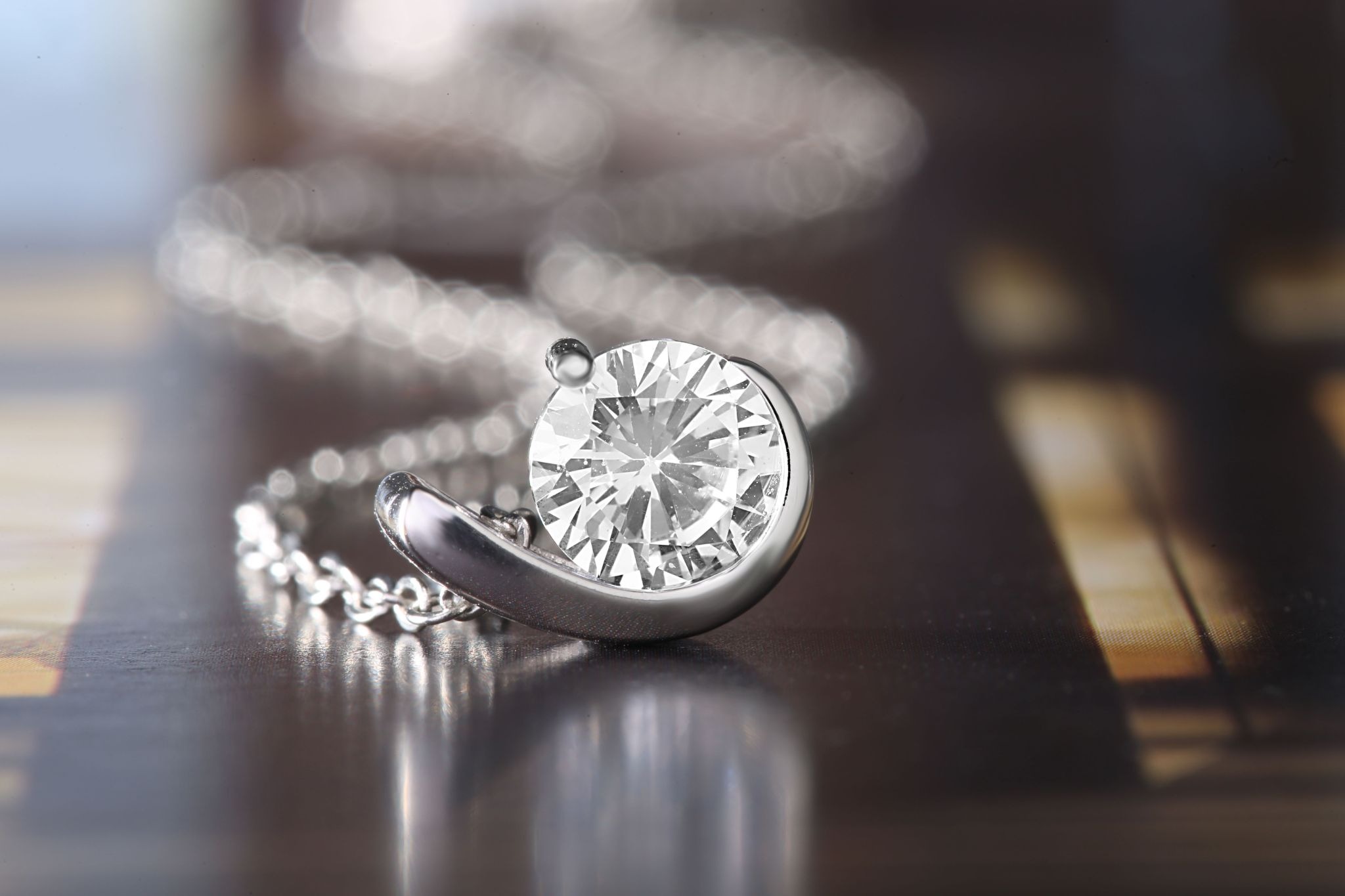
Photo by The Glorious Studio
Luxury fashion has always reflected shifting tastes, personal identity and cultural influences. While clothing trends shift with the seasons, fine jewellery often retains its appeal for generations. Consumers increasingly seek pieces that combine lasting quality with individual style, making jewellery an important part of modern fashion.

Diamond rings remain a popular choice for their versatility, elegance and enduring appeal. Whether worn to mark a significant occasion, given as a meaningful gift or chosen as an everyday accessory, they complement a wide range of personal styles. But what makes them such a lasting feature of luxury fashion, and how have changing preferences shaped the designs people choose?
How Luxury Jewellery Has Changed Over the Years
Luxury jewellery has evolved considerably over time. Traditional designs once emphasised elaborate settings, precious metals and formal occasions. Today, consumers have a wider range of styles to choose from, from understated pieces to distinctive statement designs.
Fashion influences have played a key role in this evolution. Jewellery collections increasingly reflect contemporary preferences for simplicity, individuality and versatility. Rather than reserving fine accessories for celebrations, many people now incorporate them into their everyday wardrobes.
This shift has also changed how shoppers assess luxury purchases. Appearance remains important, but quality, craftsmanship, material choice and long-term wearability are equally relevant. Buyers often look for jewellery that suits different stages of life rather than something that follows a short-lived trend.
Why Diamond Rings Continue to Influence Luxury Fashion
Despite changes in jewellery design, diamonds have maintained a strong position in the luxury market. Their brilliance, durability and association with significant milestones give them an appeal that extends beyond seasonal fashion.
One reason for their continued popularity is their adaptability. A classic solitaire can complement a minimalist wardrobe, while a halo setting or a multi-stone design may appeal to someone who prefers a bolder accessory. Different cuts, settings and metal finishes also give shoppers plenty of scope to find a style that reflects their preferences.
For fashion-conscious consumers, this versatility makes diamond rings an attractive addition to a jewellery collection. Chisholm Hunter offers a dedicated collection of diamond rings, giving shoppers a range of designs to explore when considering fine jewellery.
Their appeal also extends beyond traditional engagement and wedding occasions. Diamond jewellery can mark professional achievements, anniversaries, birthdays and other personal milestones. Some people choose a ring to celebrate an important moment in their lives, while others simply appreciate its design and craftsmanship.
The Influence of Modern Fashion on Diamond Ring Designs
Contemporary fashion has encouraged greater experimentation with jewellery. Consumers are increasingly confident about pairing traditional pieces with modern clothing, creating looks that reflect their tastes.
Several design preferences illustrate this change.
Minimalist Settings and Understated Elegance
Minimalist jewellery continues to appeal to those who prefer clean lines and subtle details. Solitaire rings are a good example, as their simple settings keep the central diamond as the focal point.
These designs work particularly well with everyday outfits, including tailored clothing, knitwear and understated eveningwear. Their simplicity also makes them easier to coordinate with other jewellery without looking overly busy.
Vintage-Inspired Details
Vintage influences remain prominent in fine jewellery. Intricate settings, decorative bands, and traditional diamond cuts add character that appeals to shoppers who appreciate classic design.
These features can add individuality to a jewellery collection while preserving the elegance associated with traditional craftsmanship. Vintage-inspired rings also offer an alternative to simpler contemporary styles.
Distinctive Shapes and Modern Settings
Some consumers prefer jewellery that makes a stronger visual impact. Oval, pear, and emerald-cut diamonds offer a different look from the familiar round brilliant cut.
Setting styles can also change a ring’s overall character. Bezel settings, split shanks, and multi-stone arrangements offer alternatives to conventional designs. These details allow shoppers to choose jewellery that complements their personal style.
Choosing Jewellery That Complements Personal Style
A well-chosen piece of jewellery should feel comfortable and suit the wearer. While fashion trends can inspire, individual preferences should remain central to the decision.
Several practical considerations are worth considering before purchasing a diamond ring.
Consider everyday habits: Someone who regularly works with their hands may prefer a lower-profile setting that is less likely to catch on clothing or other objects. A more prominent design may suit someone who mainly wears their ring for social occasions.
Think about wardrobe preferences: People who favour classic clothing may appreciate traditional settings and simple metal finishes. Those who enjoy experimenting with fashion might prefer unusual diamond shapes or more decorative bands.
Choose a suitable metal: White gold, yellow gold and platinum each create a different look. The choice can influence how the diamond looks and how easily the ring coordinates with other accessories.
Prioritise comfort and fit: Ring size, band width and setting height can all affect everyday wear. A comfortable fit is particularly important for jewellery intended to be worn regularly.
Look beyond seasonal trends: A striking design may attract attention, but consider whether it will remain appealing over time. Classic proportions and quality materials can help a ring stay relevant as personal style changes.
Understanding Diamond Quality Before Making a Purchase
A diamond’s appearance and value are influenced by several characteristics. Understanding these factors helps shoppers compare rings and make informed decisions.
The traditional Four Cs provide a useful starting point:
- Cut: This describes how well a diamond has been shaped and proportioned to interact with light. A well-cut diamond can display impressive brightness and sparkle.
- Colour: Diamond colour is commonly graded from colourless to light yellow or brown. Differences between grades can influence a stone’s appearance and price.
- Clarity: This refers to internal characteristics, known as inclusions, and external features called blemishes. Their number, size and visibility affect the clarity grade.
- Carat: Carat measures a diamond’s weight, not its physical dimensions. Two diamonds with the same carat weight may look different depending on their cut and proportions.
These characteristics should be considered together rather than assessed in isolation. For example, a larger diamond is not automatically the most attractive option if its cut does not deliver the desired brilliance.
Shoppers should also review the available product information and any relevant grading documentation. Independent grading reports can provide useful details about a diamond’s characteristics, helping buyers understand what they are purchasing.
Luxury Jewellery as a Meaningful Investment in Personal Style
Fine jewellery often carries emotional significance alongside its aesthetic appeal. A ring bought to mark an important achievement may become a lasting reminder of that experience. Similarly, jewellery received as a gift can hold sentimental value that far exceeds its original purchase price.
However, it is important to distinguish between emotional value and financial investment. While certain diamonds and fine jewellery pieces may retain or increase their market value in specific circumstances, this is not guaranteed. Resale prices depend on factors such as quality, condition, market demand and the original purchase price.
For most shoppers, the strongest reasons to purchase a diamond ring are its personal significance, craftsmanship and lasting enjoyment. Choosing carefully can make the experience more rewarding and help ensure the piece remains a valued part of a jewellery collection.
The Future of Diamond Jewellery and Consumer Preferences
Consumer expectations continue to shape the luxury jewellery industry. Shoppers increasingly prioritise material sourcing, production practices and transparency alongside appearance and quality.
Responsible sourcing has become an important consideration for many buyers. Questions about diamond origins, supply chains and environmental impact can influence purchasing decisions. Lab-grown diamonds also offer another option, providing the physical and chemical properties of mined diamonds while being produced in controlled environments.
Technology is also reshaping the shopping experience. Online jewellery collections let consumers compare designs, explore product specifications, and research options before visiting a retailer or making a purchase.
Despite these developments, traditional qualities remain important. Good craftsmanship, attractive design and reliable product information continue to influence how consumers evaluate luxury jewellery.
Timeless Design Remains at the Heart of Luxury Fashion
Fashion will continue to introduce new influences, but certain jewellery styles endure because they combine beauty with personal meaning. Diamond rings have remained a recognisable feature of luxury fashion through shifting preferences, evolving designs and across generations of shoppers.
Their versatility allows them to complement both traditional and contemporary wardrobes, while the range of cuts and settings offers plenty of opportunities for individual expression.
For consumers considering a new addition to their jewellery collection, the most important factors are personal style, comfort, quality and lasting appeal. A carefully chosen piece can become much more than an accessory. It can mark an important moment, reflect individual taste and remain a valued part of someone’s style for years to come.

Terry Clark is the Publisher and Content Director of 365 Retail, with more than a decade of experience covering retail design, technology innovations, store openings and the wider retail industry. He also works closely with leading retailers, suppliers, agencies, events and industry awards across the UK.