




When an exhibition starts, visitors are usually surrounded by a lot of information. There are stands to explore, products to look at, talks to attend, and people to speak with. In a busy space, it can be difficult to take everything in at once. This is where simple visual displays can make a difference. A display board gives organisers and exhibitors a practical place to present information without adding complexity. They can be used for posters, schedules, maps, company information, event messages, and other material visitors may need during the day. A well-placed board will not replace a good exhibition stand or helpful staff, but it can make the space easier to understand and move around. For temporary events, display boards hire can also be a practical option when organisers need suitable boards for a particular exhibition without buying equipment for long-term use.
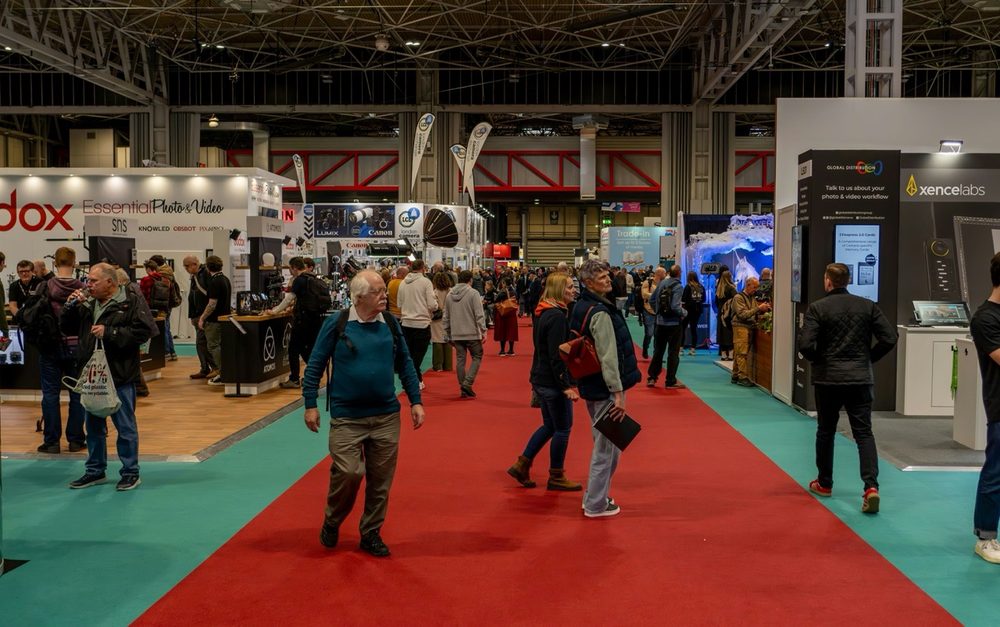
Why clear information matters at exhibitions
Visitors do not always enter an exhibition knowing exactly where they need to go or what they want to see. Some may be looking for a particular exhibitor, while others are simply walking around and deciding what catches their attention. Clear information can make this process easier. Putting this information in visible locations means visitors can find basic details without having to stop and ask a member of staff every time. A well-positioned display can often work better than covering an area with too much text. Event organisers may need to display:

Exhibition maps and floor plans.
- Speaker information.
- Product information.
- Poster presentations.
How display boards can improve the visitors’ experience
Display boards improve the visitor experience by providing clear, visible information throughout the event space. They can also help organise posters, schedules, directions, and key messages without making the exhibition feel cluttered.
Make information easier to find
One of the simplest uses for a display board is to make important information easy to spot.
For example, a board near an entrance can show a floor plan or event schedule. Another could provide information about a particular section of the exhibition. This can be especially useful at larger events where visitors may not immediately know how the venue is laid out.
Create clear information points
An exhibition can contain a lot of visual materials, but not all of it needs to be attched to an individual stand. Display boards can create a separate information points for schedules, announemenets, visitor information. This gives visitors a clear place to look when they need specific information. It can also help individual exhibition stands from becoming too crowded with posters and printed material.
Support poster and graphic displays
Posters remain useful at many types of events, particulalry conferences, academic exhibitions and information-led displays. A display board panel provides a simple surface for presenting posters, graphics, other printed material. For events that only need this equipment for a short period, poster bard hire can be more practical than purchasing and storing boards between events.
Help organise open exhibition spaces
Large exhibition halls can something feel open and difficult to navigate, particularly when there are many exhibitors and different areas withing the same value.
Display board can help break up these spaces without creating permanent structures. They can be positioned around information areas, presentation zones or poster displays while still keeping the wider space open.
Where display boards can be used at an exhibition
Display board are not limited to one part of an event. Their use will depend on the venue, the type of exhibition and what visitors need to see.
Entrance and registration areas
The entrance is often the first place where visitors need information. A board can be used for event schedules, venue information, maps or general instructions. This can help visitors get their bearings before they start exploring exhitbion.
Confenerce and seminar areas
If an exhibition includes presentations, boards can display session times, speaker information or changes to the programme. This information can be updated or replaced as the event requires.
Poster presentation areas
Poster sessions often involve a large amount of printed information presented within one area. Using suitable boards can keep the material organised and give each presentation a defined space.
Exhibition walkways
Boards placed in suitable loactions around an exhibition can also provide directions or highlight different sections of the event. Their postition matters, though. A board should provide information without blocking the natural movement of visitors around the venue.
Choosing the right display board for your event
Not every exhibition needs the same type or number of display boards. Before arranging them, organisers should consider how the space will be used. The first consideration is available floor space. Boards need to be visible without creating obstacles for visitors. The amount and type of content also matters. A small information notice will have different requirements from a large poster presentation.
Organisers should also think about:
- How many boards are needed.
- Where visitors will approach them from.
- The size of the material being displayed.
- How long the event will run.
- Whether the boards need to be moved.
- The venue’s rules and restrictions.
- Delivery and installation requirements.
When display board hire make sense
Buying exhibition equipment is not always practical, particularly when an organisation only holds occasional events. Display board hire allows organisers to use the equipment they need for a particular event without having to find permanent storage afterwards. This can be useful for conferences, exhibitions, poster sessions and other temporary events.
Hiring can also make sense when an event needs a particular number or arrangement of boards. Instead of purchasing equipment that may not be used again for months, organisers can arrange boards according to the requirements of each event. For exhibitions taking place in the capital, display board hire London can also be considered as part of the wider event setup, particularly when organisers need delivery and installation to be coordinated with the venue.
Making display boards work as part of the visitor journey
Simply putting up a display board does not automatically improve an exhibition. Its position and content matter just as much. Important information should be easy to read, with clear heaindgs and enough space between different sections. Boards should also be placed where visitors can comfortably stop and look without blocking walkways. It is worth thinking about the visitor journey when deciding where ecah board should go. Information needed at the entrance should be available there. Directions should appear before visitors reach a point where they need to make a decision. Poster displays should have enough space around them for people to stop and read. Small decisions like these can make an exhibition feel more organised.
A small dsipay detail that can make an exhibition easier to navigate
Display boards may not be the first thing organisers think about when planning an exhibition, but they can have a useful role once visitors arrive. They provide a simple way to present information, support poster displays and divide large spaces without making the venue feel permanently structured. More importantly, they can help visitors find what they need without adding unnecessary barriers to their experience. For temporary events, display board hire can also remove the need to purchase and store display equipment between exhibitions. With the right content and placement, a straightforward display board can become a useful part of the overall event layout. Planning an exhibition and need dsiaply boards for event? EMS Exhibitions can help with display board, including options for different event setups. Take a look at the available options and see waht could work for your next event.

Terry Clark is the Publisher and Content Director of 365 Retail, with more than a decade of experience covering retail design, technology innovations, store openings and the wider retail industry. He also works closely with leading retailers, suppliers, agencies, events and industry awards across the UK.