







No industry on earth understands the customer better than retail.
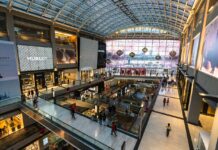
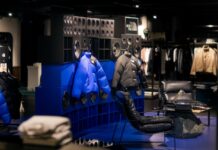
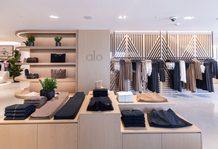
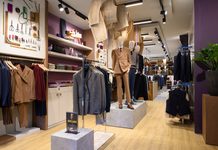
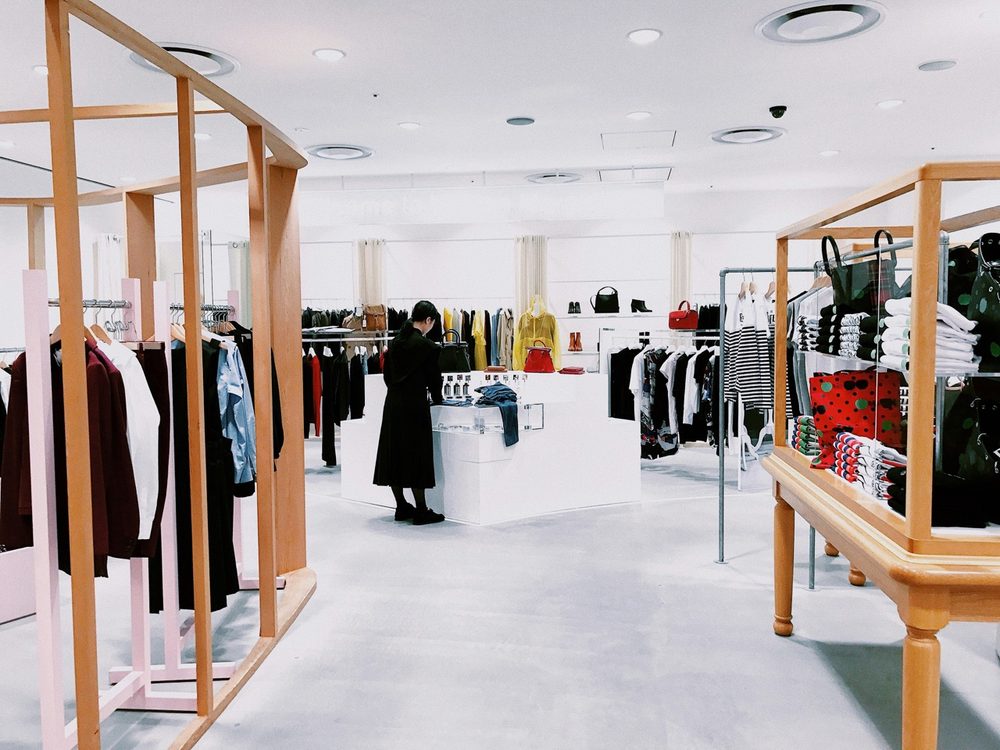
Every detail of the shop floor has been studied, tested and tuned: the lighting that flatters the product, the layout that pulls you through the space, the music, the scent, the pause points, the route from the door to the till. Retail has spent a century learning how a physical space makes a person feel and using that knowledge to shape what they do. It is the most sophisticated behavioural design on the high street.

Then you walk through the door marked “Staff Only.”
Behind it, the mastery tends to evaporate. The stockroom nobody planned. The break room that is a windowless corner with a kettle and a fridge. The lockers wedged into a corridor, the nowhere to sit, the strip light and the health-and-safety poster. The industry that agonises over how the customer feels has, too often, spent almost no thought on the experience of the people who deliver it.
That is a strange blind spot, because retail runs on its people more than almost any sector does. The staff are not a cost centre standing between the shopper and the product. In a store, the staff are the experience. Research by the Retail Technology Show found that over half of shoppers say store staff make or break the in-store experience, and that figure had risen year on year, not fallen.
And retail is haemorrhaging those people. Turnover is among the highest of any sector, the labour market is tight and the big chains are trading pay rises to hold on to staff. Burnout is widespread among a workforce that works weekends, evenings and the shop floor’s relentless pace. Every person who walks is lost knowledge, lost service and a fresh recruitment bill.
“If you look after your staff, they’ll look after your customers,” as Richard Branson has put it. Retail has that sentence half right. It looks after the customer superbly and hopes the staff will follow.
The fix is well understood, just not yet borrowed. The modern office has spent the past decade learning the exact lesson retail now needs, that the physical environment shapes how people feel, how well they work and whether they stay, and rebuilding itself around the link between workplace experience and office design. The workplace world calls it employee experience. Retail could call it the staff side of the craft it already leads on.
The break room is infrastructure, not a perk
Start with the most neglected room in the building.
A retail worker is on their feet for a shift, managing queues, complaints and the constant low-grade pressure of the floor. Where they go to recover matters. A genuine break space, with daylight, decent air, somewhere comfortable to sit and enough separation to switch off, is not a luxury. It is the thing that sends someone back onto the floor able to be patient with the next customer.
Offices worked this out. The break space stopped being a leftover and became a designed part of the whole, because a rested employee is a better one. A store that gives its staff ten square feet of afterthought is telling them exactly where they rank.
Design the back-of-house like it counts
Retail plans the customer journey to the millimetre and leaves the staff journey to chance.
The result is familiar to anyone who has worked in a shop: stockrooms you cannot move in, routes that fight you, deliveries and returns piling up with nowhere sensible to go. None of it is visible to the customer, which is exactly why it gets ignored and exactly why fixing it is such an easy win. A back-of-house designed around how the team really works, with storage that functions, flow that makes sense and room to handle the crush of parcels modern retail generates, makes the whole operation calmer and the floor run better.
Good design back there is not spent money. It is the difference between a shift that works and one that grinds.
A great workplace is for everyone, not just the shopper
The deeper shift is one of mindset. “Everyone deserves a fantastic workplace,” argues workplace strategist Neil Usher, author of The Elemental Workplace. His point is that a good environment should not be reserved for head office or the executive floor. It should reach the people furthest from the boardroom.
In retail, that means the person on the tills is owed as much design thought as the shopper they serve. It is also, bluntly, a hiring advantage. In a labour market this tight, younger retail workers can tell within a shift whether they are valued or merely staffed, and the state of the space they are handed says it before any manager does.
The experience runs both ways
Retail does not need to learn how to design for people. It is already the master of it. It has simply pointed that mastery in one direction, at the customer, while treating the people who create the experience as though it happens to them rather than through them.
Point the same expertise inward, at the staff areas and the back-of-house, and the return comes quickly: people who stay longer, work better and pass the difference on to the shopper. In a business where the staff are the experience, looking after them is not the soft option. It is the strategy the shop floor has been proving for a hundred years, finally applied to the other side of the door.

Terry Clark is the Publisher and Content Director of 365 Retail, with more than a decade of experience covering retail design, technology innovations, store openings and the wider retail industry. He also works closely with leading retailers, suppliers, agencies, events and industry awards across the UK.