











Reliable IT support is increasingly vital for retail organisations. As retailers integrate more technology into operations, efficient IT support has a direct impact on staff productivity, reducing the effects of system issues on daily workflow and customer service.
Retail staff now depend on a range of digital systems, from point-of-sale terminals to inventory management apps. While each sector faces distinct technology challenges, retailers can learn from professional services that have adopted tailored support models—such as those developed for IT support for law firms—to reduce friction and boost team effectiveness. These cross-industry insights have become especially relevant as even brief technological setbacks can disrupt store operations, affecting efficiency when customer expectations for service speed and accuracy are high.

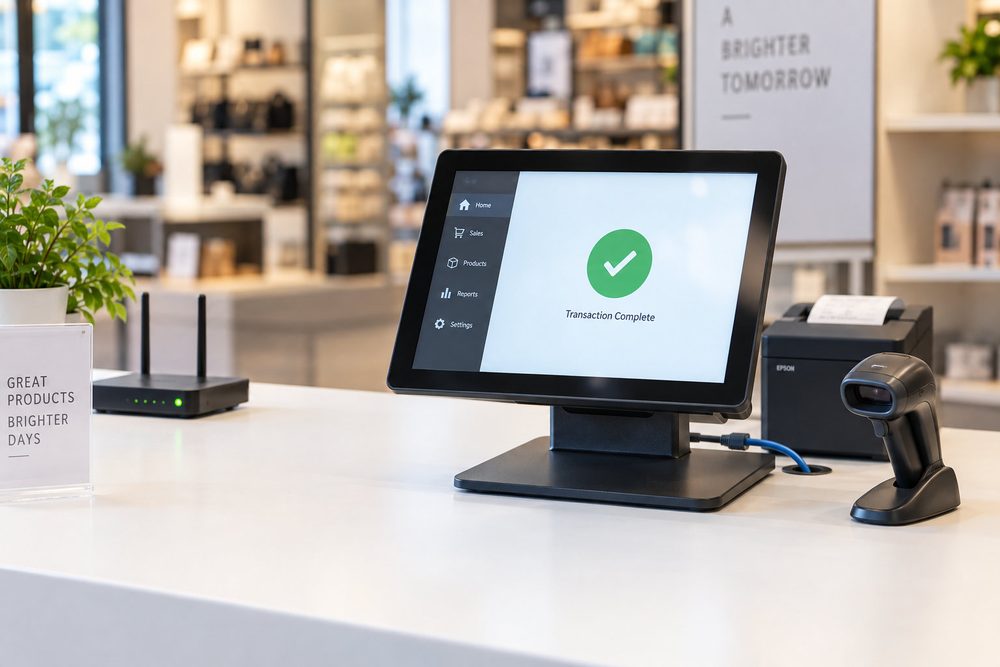
Retail productivity tied to smooth technology operations
For retail teams, effective service relies on uninterrupted use of POS systems, connected devices, and staff applications. When technical issues arise, such as slow logins or device disconnects, frontline productivity can be impaired, especially during busy periods when long queues or shift changeovers coincide with system slowdowns.
Even minor malfunctions can have a cascading effect, impacting staff confidence and potentially diminishing the customer experience throughout the trading day.
Modern retail environments have evolved beyond traditional cash registers to encompass integrated ecosystems of tablets, mobile payment devices, digital signage, and cloud-based inventory systems. This technological complexity means that staff members must navigate multiple platforms throughout their shifts, making system reliability paramount. When technology functions seamlessly, employees can focus on customer engagement and sales activities rather than troubleshooting technical problems. Conversely, recurring technical disruptions not only reduce immediate productivity but can also lead to staff frustration and decreased morale over time, potentially affecting retention rates in an industry already challenged by high employee turnover.
Technology obstacles affecting shop floor teams
Frequent retail IT headaches include unresponsive barcode scanners, malfunctioning payment terminals, and unreliable printers. Problems with these devices can pause checkouts and lead to longer queues, increasing pressure on floor staff.
Connectivity shortfalls also persist, as wireless interruptions or poorly synchronised mobile devices force repeated troubleshooting. Bottlenecks can emerge when staff onboarding or role changes are delayed by account setup issues, especially at critical handover times.
Addressing these recurring challenges proactively is necessary for maintaining a stable retail operation.
Software updates and system patches represent another common challenge for retail operations, particularly when these updates are deployed during trading hours or without adequate testing. Staff may arrive for shifts to find that familiar interfaces have changed or that certain functions are temporarily unavailable, requiring rapid adaptation during busy periods. Integration issues between different platforms, such as disconnects between e-commerce systems and in-store inventory databases, can create confusion when customers enquire about product availability or attempt to collect online orders. Password resets and access credential problems also consume valuable time, particularly for part-time staff who may work infrequently and encounter expired credentials upon their return to work.
Rapid IT support as an operational priority
Strong IT support frameworks help retailers limit downtime and resolve incidents efficiently. Having accessible response channels and rapid escalation processes means that technical disruptions can be addressed before becoming operational setbacks for shop teams. Automated monitoring and remote diagnostics have become standard approaches, allowing IT staff to address many issues without waiting for onsite intervention.
Centralised knowledge bases and documented processes further support quick problem solving, and help new or temporary employees become productive more swiftly. Effective communication with support teams reduces time spent troubleshooting during peak hours.
Retailers also increasingly depend on their business mobile partner to manage device fleets and ensure consistent access to critical services, both during trading and after hours.
Long-term impact of IT support on staff efficiency
Retailers monitor technology-related performance metrics, such as average downtime per store and first-time resolution rates, to evaluate IT support’s contribution to staff output. Tracking failure rates and acting on persistent trouble spots allows IT strategies to evolve alongside changing store technologies and workflows.
As retail adapts to more complex technology and omnichannel models, effective IT support remains an underpinning factor in delivering consistent service and supporting staff to achieve operational goals.

Terry Clark is the Publisher and Content Director of 365 Retail, with more than a decade of experience covering retail design, technology innovations, store openings and the wider retail industry. He also works closely with leading retailers, suppliers, agencies, events and industry awards across the UK.