











A strange new moment is happening in sales conversations across the world, and most people have not noticed it yet. A customer opens a chat window to ask their AI assistant whether a product is worth buying. At the very same time, a salesperson is leaning on their own AI tool to craft the perfect pitch back. Two machines are quietly doing the thinking on both sides of the table, while the human beings involved mostly watch and wait. It raises a question that feels almost impossible to answer at first. If both sides have artificial intelligence working for them, who is actually making the final decision?
This shift did not happen overnight, but it has moved faster than most industries expected. A few years ago, AI tools were mainly used behind the scenes to write emails or organize data. Today, everyday shoppers are asking AI assistants to compare prices, read reviews, and summarize contracts before they even speak with a human. Salespeople are doing the same thing in reverse, using AI to study a customer’s needs, draft personalized pitches, and predict objections before a call even begins. Both sides have gained speed and information, yet neither side has given up its humanity completely. The real question is not which machine is smarter, but which side the machine is actually working for.

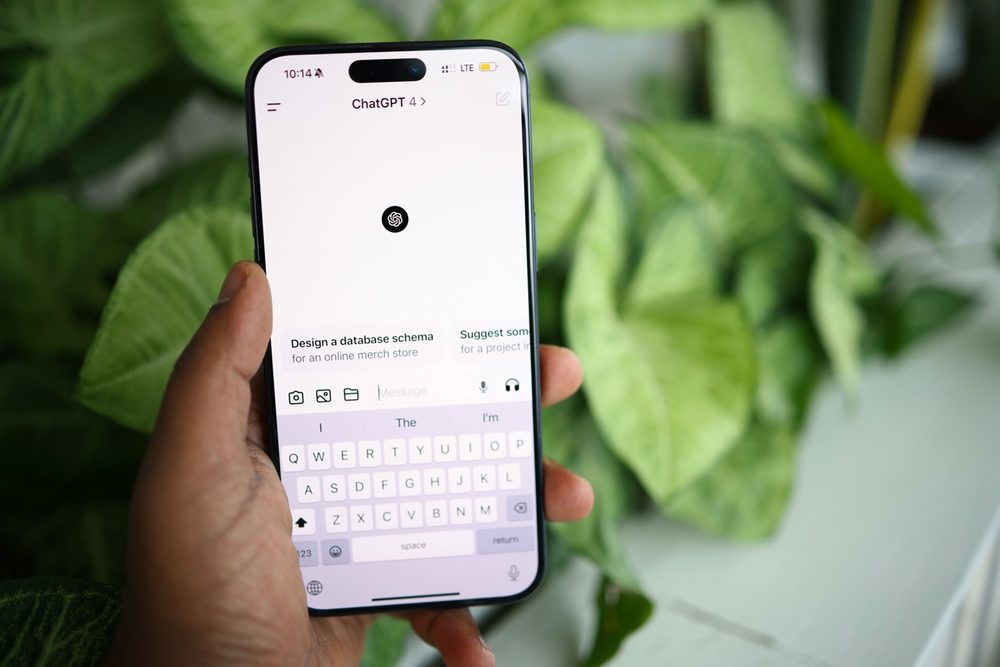
What makes this moment confusing is that both AI assistants are technically doing their job well. The customer’s assistant is protecting their interests, flagging better deals, and asking tough questions on their behalf. The salesperson’s assistant is helping craft confident answers, surface relevant case studies, and personalize outreach at a scale no human could match alone. Neither assistant is lying or manipulating anyone, at least not in a typical interaction. Instead, they are simply speeding up a negotiation that used to take much longer, compressing days of back and forth into a single fast-moving conversation.
Despite all this new technology, the final decision still comes down to something surprisingly human. Trust, not raw intelligence, becomes the deciding factor once both sides are equally informed. A customer’s AI assistant can only recommend a business that has given it enough clear, honest, and verifiable information to work with. A salesperson’s AI assistant can only perform as well as the real expertise and credibility standing behind it. In other words, the smartest machine in the room is not the one that wins. The business that earns trust from both the human and the machine representing them is the one that actually closes the deal.
When Machines Negotiate, Trust Still Wins
This idea becomes much clearer once real businesses start explaining how it plays out in their daily work. Across industries, from ecommerce deal platforms to local service businesses, the pattern keeps repeating itself. Customers increasingly let their AI assistants do early research and screening, while salespeople rely on their own tools to respond quickly and personally. The businesses that succeed are not the ones with the flashiest technology. They are the ones whose information is clear enough and trustworthy enough that both sides of the AI conversation can rely on it.
Cyrus Partow, Founder of ShipTheDeal, has watched this shift happen directly inside the world of online shopping and deal comparison.
“I watch shoppers run deals through their own AI tools before they even reach checkout, comparing prices across thousands of stores in seconds. At ShipTheDeal, we built our platform knowing buyers now arrive already informed, not persuaded. When a customer’s assistant flags a better price elsewhere, no salesperson’s pitch can undo that math. The real decision now happens between two AI tools long before a human ever speaks.”
This example shows something important about where buying power has shifted. A sales pitch alone can no longer override hard numbers that a customer’s assistant has already confirmed. Businesses that want to win now have to make sure their pricing, information, and reputation hold up before a human conversation even starts. The persuasion that used to happen in a sales call increasingly has to happen earlier, inside the data itself.
Local Businesses Feel the Shift Too
This pattern is not limited to online shopping or big national brands. Local service businesses, from dentists to home repair companies, are seeing the exact same shift play out in smaller, more personal ways. Customers now ask AI assistants to summarize reviews, compare pricing, and even draft questions to ask before booking an appointment. Salespeople and business owners who still rely only on traditional pitches are finding those pitches less persuasive than they used to be. Being clear and consistent matters more than being clever or convincing in the moment.
Justin Herring, Founder and CEO of YEAH! Local, has watched this exact change unfold while helping local businesses modernize their approach to leads and conversions.
“I have watched local businesses lean on chatbots to close leads, only to lose the sale the moment a customer’s own AI assistant checks the numbers. One client’s booked calls jumped 42 percent after we stopped scripting pitches and started answering the exact questions AI assistants were already asking on the customer’s behalf. Trust now gets built through clear, honest information the machines can verify instantly. Whoever earns the AI’s confidence usually earns the human’s decision too.”
His experience highlights a lesson that applies far beyond local businesses alone. A flashy script or an aggressive pitch cannot outrun an AI assistant that has already done its own homework. Businesses that win in this new environment are the ones willing to be transparent early, rather than persuasive late. That shift in strategy, while small sounding, often produces measurable results once it is put into practice.
Winning the Machine’s Recommendation First
As more buying decisions start inside a conversation with an AI assistant rather than a human salesperson, visibility inside that conversation becomes its own battlefield. Businesses are no longer only competing for a customer’s attention. They are competing to be the answer an AI assistant actually recommends when asked a direct question. This creates an entirely new layer of strategy that did not exist in traditional marketing or sales just a few years ago.
Vlad Ivanov, Founder of Search GAP Method, has built his entire approach around helping businesses show up inside these AI-driven moments before competitors even realize the opportunity exists.
“I’ve watched AI completely flip how buying decisions get made, and most marketers haven’t caught up yet. When a customer’s assistant finds your content answering a question competitors ignored, you win the recommendation before any sales conversation even starts. We built SearchGAP around appearing in front of these AI-driven moments within 24 to 48 hours instead of waiting months. The business that gets recommended by the machine almost always gets chosen by the human.”
This perspective reveals just how early the real competition now begins. By the time a human salesperson enters the conversation, an AI assistant may have already narrowed the choices down to one or two trusted options. Businesses that ignore this earlier stage of the buying journey risk never getting the chance to make their pitch at all. Winning the machine’s attention has quietly become just as important as winning the customer’s attention.
Why Enterprise Brands Are Paying Close Attention
Large, established brands are watching this shift just as closely as small businesses and online retailers. When a company has spent decades building trust through consistency and credibility, that reputation now has to translate clearly into the digital signals AI assistants rely on. Enterprise brands cannot afford to let outdated information or inconsistent messaging confuse the very tools their customers are now using to make decisions.
Miguel Salcido, CEO and Founder of Organic Media Group, has spent over twenty years helping major brands build the kind of digital trust that holds up no matter who or what is doing the evaluating.
“After two decades consulting for brands like McDonald’s and State Farm, I’ve learned decisions used to come down to the best pitch in the room. Now a customer’s AI assistant does the pitch comparison before any salesperson even picks up the phone. We help enterprise clients build content and signals that earn trust with those assistants directly, not just with humans. The brand that wins the AI’s recommendation almost always wins the sale.”
His observation ties together a theme that runs through every example in this article. Whether the business is a small local shop or a global brand, the same basic principle applies. Clear, consistent, and verifiable information wins the trust of both the human customer and the AI assistant working on their behalf.
The Real Decision Maker Is Trust, Not Technology
After looking at ecommerce platforms, local service businesses, search strategy experts, and enterprise consultants, one clear pattern emerges. Two AI assistants negotiating with each other do not remove the human decision from the process. They simply speed it up and demand more honesty earlier in the relationship. The business that hides weak points or relies on charm alone will struggle, since neither a sharp customer nor a smart AI assistant can be talked out of facts that do not add up.
The businesses winning in this new environment share a common habit. They treat their AI assistant, their website, their reviews, and their pricing as one connected system built on trust rather than persuasion. They assume that a customer’s AI assistant will check every claim before a human ever hears it. Instead of resisting that reality, these businesses have leaned into it, building their entire approach around earning confidence before the conversation even starts.
In the end, the answer to the original question becomes surprisingly simple. Neither the customer’s AI assistant nor the salesperson’s AI assistant actually makes the final decision. Both machines are simply tools reflecting the honesty, clarity, and trustworthiness of the humans and businesses standing behind them. The business that consistently earns trust, whether a machine or a person is doing the asking, is the one that keeps winning the sale long after the technology itself becomes old news.

Terry Clark is the Publisher and Content Director of 365 Retail, with more than a decade of experience covering retail design, technology innovations, store openings and the wider retail industry. He also works closely with leading retailers, suppliers, agencies, events and industry awards across the UK.