








More brands now reach the high street having built their following online. Their first store, concession or pop-up has to turn that familiarity into something customers can see, touch and trust. Here are four things that first space needs to get right.
For a growing number of brands, physical retail is no longer the starting point. The website, the social following and often the wholesale accounts come first, so customers know the name long before they see the product in person.

That changes what the first physical space is for. Rather than introducing the brand, it has to live up to what people already expect, usually in a small footprint, often for a limited period and at a high cost per square metre.
Product discovery
Online, search, filters and recommendations help someone find a product. In a physical space, the layout has to do that job instead. The route through the space, the sight-lines and the way products are grouped decide what people notice and what they walk past.
For a brand with a tightly edited range, that means making the best-known products easy to find while leaving room to explore the rest. A small footprint can help, because there is less to navigate and every fixture has to justify its place.
Service
A conversation is one of the few things a store offers that a website cannot. Staff can explain a product, answer a question and help someone choose.
Whether that happens comes down partly to design. The position of counters, testing areas and staff decides whether a conversation feels natural or forced. Jones Road Beauty’s concession at Liberty, the brand’s first international concession, is built around a dedicated consultation and testing counter, with a perimeter layout and clear sight-lines between staff and customers. Designed by Northbanks, the space is kept calm and focused on product education rather than display.
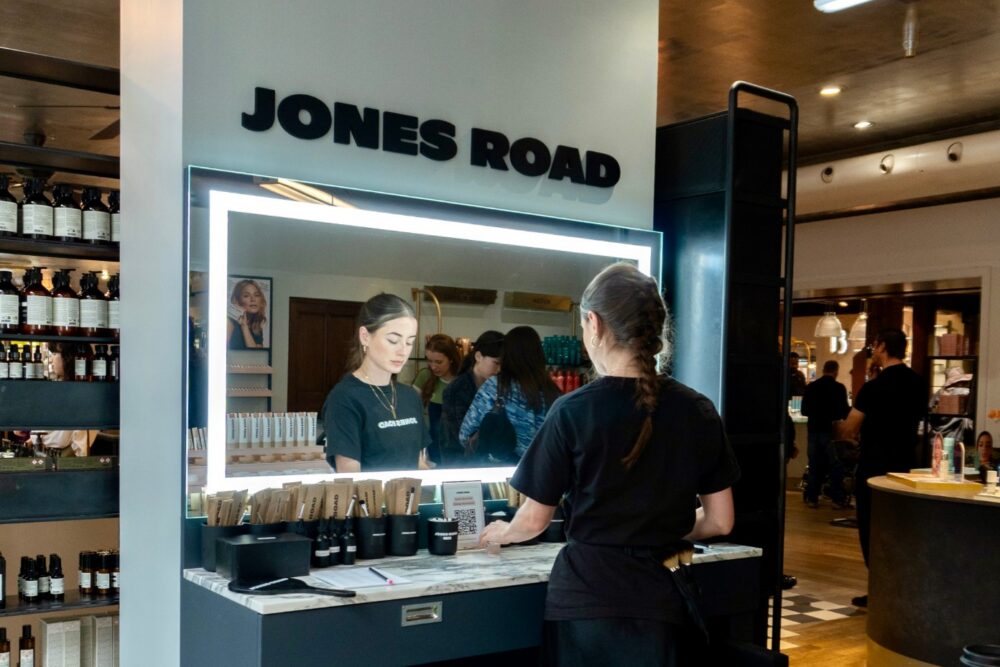
“You can spend a week looking at a shade online and still walk up to the counter wondering whether it suits you. I’d start with where you can put your bag, how the light falls on your face and whether the make-up artist has room to stand beside you and try it with you.”
James North, Founder, Northbanks
Customer confidence
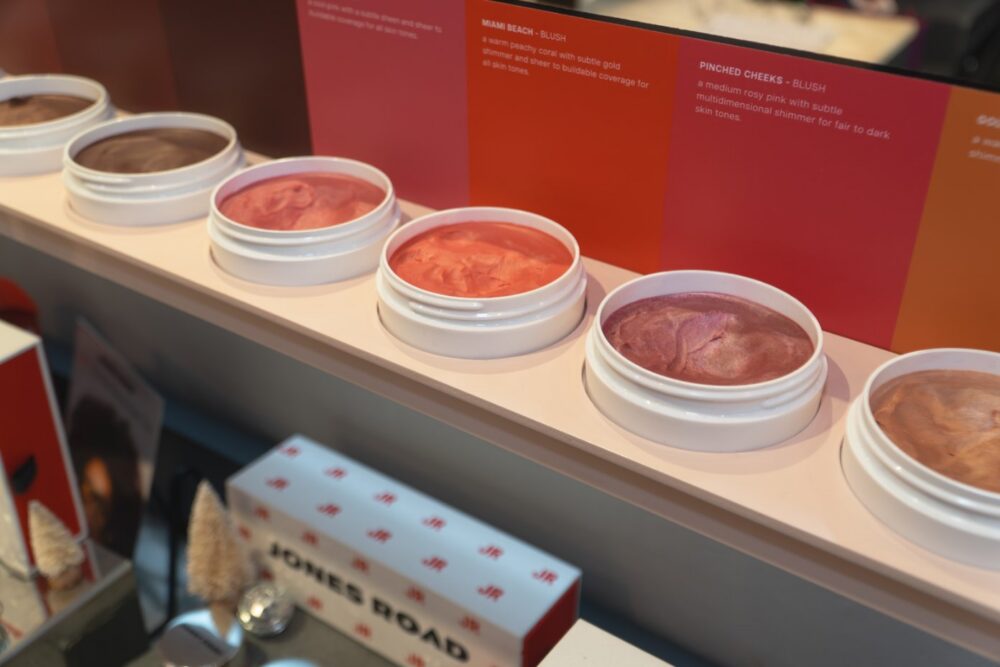
Many customers arrive having already researched a product online. What they want from the visit is reassurance: the chance to see a colour in proper light, feel a texture, test a formula or check the fit before buying.
That puts the basics under pressure. Good lighting, clean and well-stocked testers, products within reach and room to browse without feeling watched matter more than any statement feature.
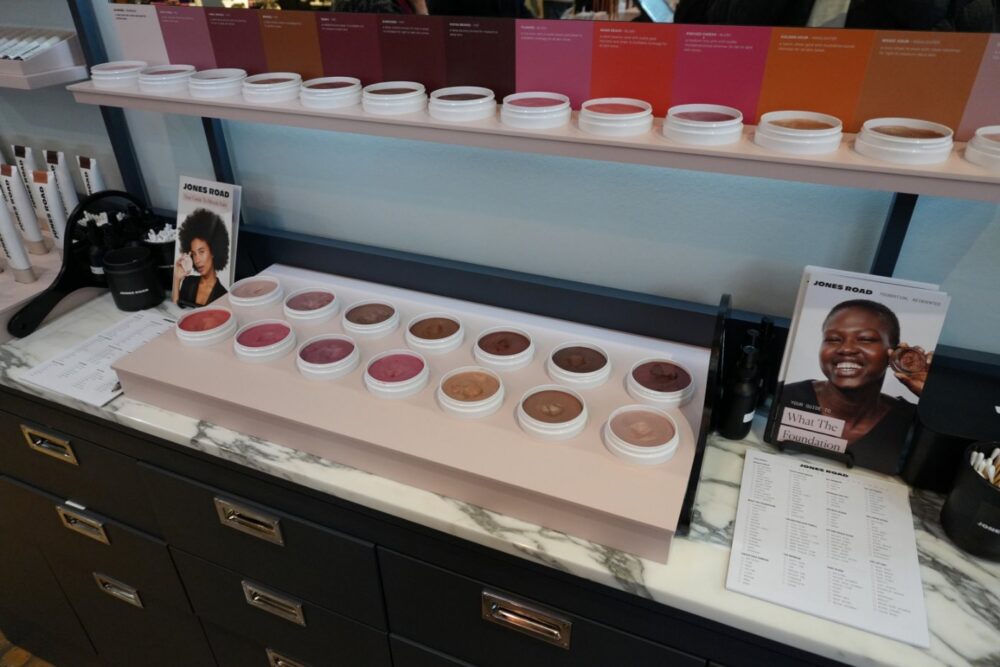
The environment sends its own signals too. Materials, finishes and the standard of detailing tell customers how seriously a brand takes its physical presence. At Liberty, Jones Road opted for contemporary materials and proportions rather than overt luxury, keeping the concession in step with a brand that grew up online.
A format that can evolve
A brand’s first space is rarely its last. It may become the template for more concessions, a test before a standalone store or the start of a wholesale rollout. Planning for that early saves money and keeps the brand consistent as it grows.
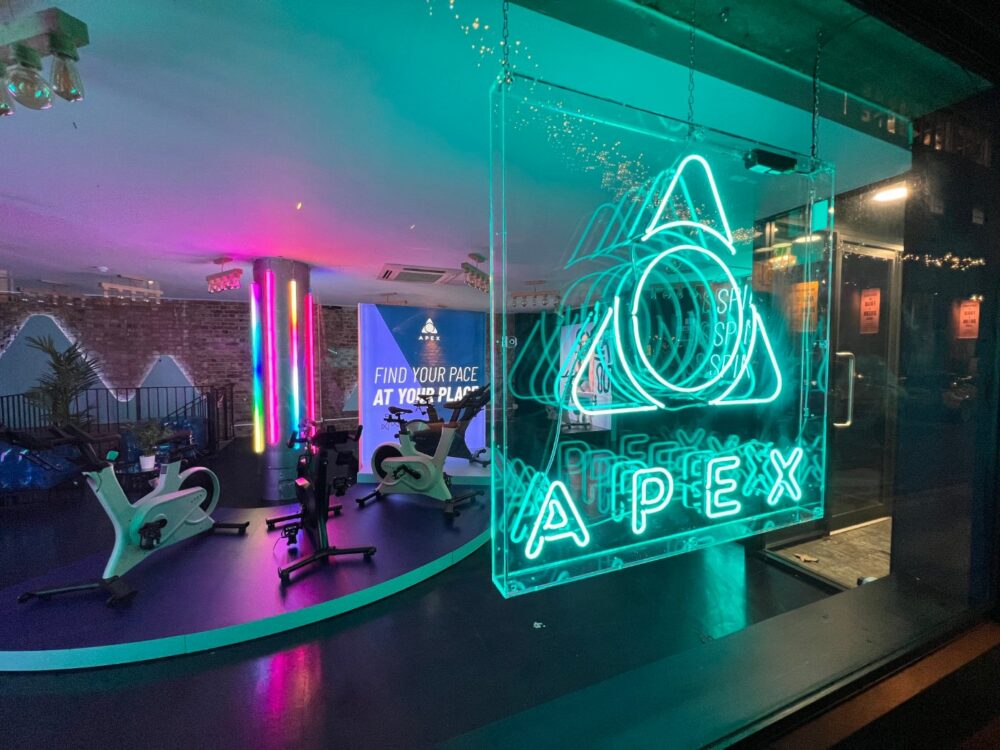
Apex Rides’ pop-up in Seven Dials, the smart bike company’s first physical retail space, demonstrates how modular design supports flexibility. The pop-up gave customers a place to try the bikes in person, while Northbanks created modular fixtures that could be easily repurposed for future campaigns.
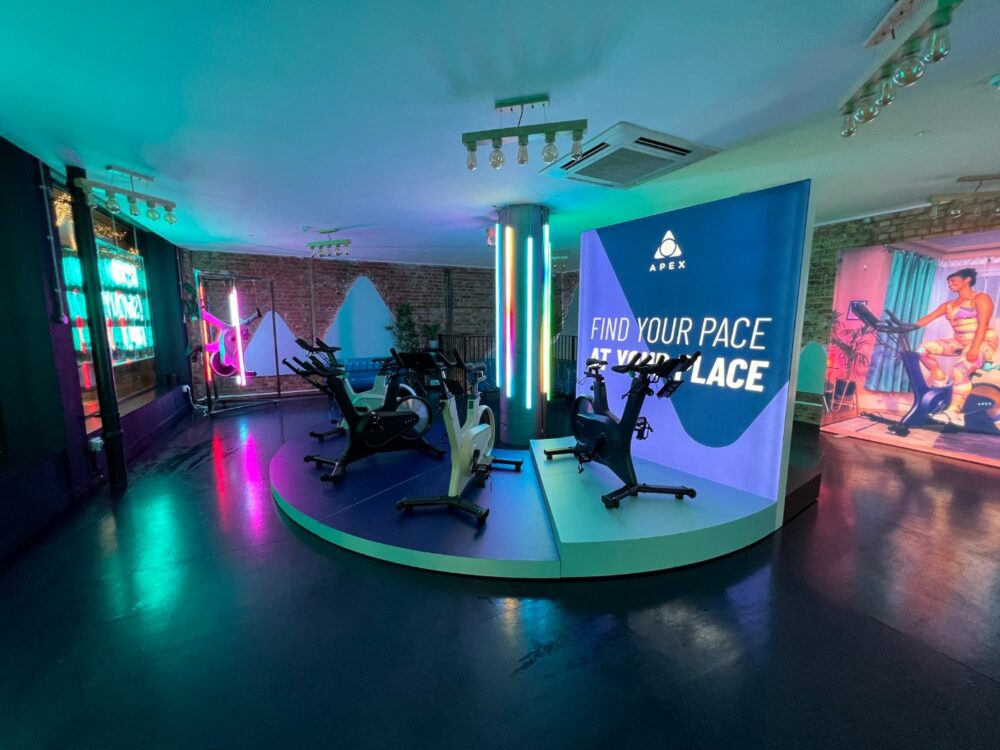
Few brands need to plan for hundreds of doors on day one, but the same principle works for a single pop-up. Fixtures that can be moved, reconfigured or reused give a brand room to learn from its first space without starting again.
“When you’re planning a first pop-up, it’s worth asking what you’d take with you if the next space were half the size. That changes what you spend money on now, right down to whether a display can come apart and fit through the next shop door.”
James North, Founder, Northbanks
That learning is the point. Speaking to 365 Retail in a recent Q&A, North argued that opening day should not mark the end of the design process, and that brands should plan a review once the space is trading, with budget kept back for changes. For a brand opening its first space, watching how customers actually use it may prove as valuable as anything decided before the doors opened.

Terry Clark is the Publisher and Content Director of 365 Retail, with more than a decade of experience covering retail design, technology innovations, store openings and the wider retail industry. He also works closely with leading retailers, suppliers, agencies, events and industry awards across the UK.