










A proper overhaul of timber sash windows takes each sash out of its frame, repairs any rot back to sound timber, renews every cord, rebalances the weights, frees the pulleys, eases the sashes so they slide, replaces the beads that hold them in place, seals the gaps with the right kind of draught seal for each surface, makes the glazing putty good, and primes any bare timber before the sash goes back in. Most quotes list only some of those things, in trade shorthand, and two quotes for the same house can look very different. This guide takes the common lines on an overhaul quote one at a time: what each should mean, what it typically costs, what to ask, and what is often missing.
The key numbers to have in mind before you read a quote.

- About a fifth of a home’s heating leaves through its windows, and most of that goes through air gaps around the sashes rather than through the glass (Historic England).
- Straightforward repairs alone, before any seal is fitted, can cut the air leaking through a sash window by up to a third (Historic England).
- Draught proofing a sash window in good condition can reduce air infiltration by as much as 86 per cent (Historic England). That is air movement, not a heating-bill saving.
- Foam strips do not work well on sliding sash windows; brush strips do (Energy Saving Trust).
- Draught stripping is zero-rated for VAT until 31 March 2027; cords, rot repair and decoration are charged at 20 per cent (HMRC VAT Notice 708/6).
- Typical UK prices per window, 2025 to 2026: overhaul alone £280 to £480; full refurbishment with rot repair £820 to £960; a new timber sash window £2,080 to £3,380.
What a full overhaul includes, in the order it is done
The word “overhaul” has no legal definition, so firms use it for anything from a re-cord and a squirt of candle wax to a complete strip-down. The useful test is the sequence. A complete job follows roughly this order, and each step depends on the one before it: you cannot balance a sash properly until the cords are new, and you cannot seal it properly until it runs straight in its frame.
As one published example, Scott James Sash Windows Specialists, which restores and reglazes period timber windows across twelve counties of the south and east of England, describes its full refurbishment like this: the sashes are taken out and each is numbered to its own opening; rot is cut back to sound timber and spliced with a durable modified timber such as Accoya or Tricoya, and sills past saving are replaced outright; every window gets new cords and is rebalanced; new staff and parting beads go in with the draught seal already set into them; the exposed and replaced timber is primed; and each sash is back in its frame the same day. It prices that from £700 a window, typically £820 to £960, and guarantees the Accoya and Tricoya repairs for 20 years.
In more detail, the steps a homeowner should expect to see somewhere on the quote are:
- Remove the sashes. The staff beads (the inner strips that hold the lower sash) and the parting beads (the strips that separate the two sashes) come off, the cords are cut free and both sashes are lifted out.
- Inspect and repair the timber. Sills, the bottom rails of the sashes and the lower ends of the frame are where water collects and rot starts. This is the step that most changes the price.
- Re-cord and rebalance. New cords on both sides of both sashes, with the weights adjusted so each sash stays where it is put.
- Free the pulleys and ease the sashes. Seized pulleys are freed or replaced, and the sashes and frame are planed or sanded where paint build-up or swelling makes them bind.
- Beads and seals. New beads are fitted, carrying the draught seals, or seals are set into grooves cut in the existing timber.
- Glazing and putty. Loose or cracked putty is cut out and replaced so the glass is weathertight.
- Prime and refit. Bare and new timber is primed, the sashes are refitted, and the window is checked for smooth running and a tight close.
The quote, line by line
Here are the lines that turn up most often on sash window overhaul quotes, with what each should mean and the question worth asking about it.
| Line on the quote | What it should mean | What to ask |
|---|---|---|
| New cords | All the cords on the window renewed, both sides of both sashes. The Society for the Protection of Ancient Buildings advises that when a cord breaks, all the cords on that window should be renewed. | Is it every cord or only the broken ones? Waxed cotton or pre-stretched nylon? |
| Weights rebalanced | Each sash weighed against its pair of weights and the weights adjusted, so the sash stays put at any height. | Will weights be added if the glass is heavier, or if the sashes have been reglazed in the past? |
| Easing and adjusting | Freeing sashes that bind or are painted shut, planing high spots, freeing or replacing seized pulleys. | Are any sashes painted shut, and how will they be freed? |
| Brush seals | Brush pile, a wiper seal, fitted where the sashes slide: up the sides and across the meeting rails. Ideally carried in new beads or set into grooves, not stuck on. | Stuck on, or in new beads or grooves? What seals the top and bottom, where the sashes close? |
| Reputtying | Loose, cracked or missing putty cut out and replaced so the glass is weathertight. | Patch repairs or full reputtying? Is any glass being taken out and rebedded? |
| Rot repair or splicing | Rotten timber cut back to sound wood and a new section joined in, or a filler repair for small, shallow damage. | How much, on which windows, in what timber, and what is the guarantee on it? |
| New beads | New staff and parting beads, usually needed because the old ones split on removal and because modern beads can carry the seals. | Are new beads included, or will the old ones be refitted? |
| Prime or decorate | Priming of bare and new timber at least. Full decoration is a separate trade and often a separate quote. | Does the price cover decoration, or priming only? |
New cords
Cords fail by fraying where they run over the pulley, and by rotting where paint has soaked into them. A simple check is to bend a section: if it cracks rather than flexes, it is finished. Waxed cotton is traditional; an 8 mm waxed cotton cord is rated for a sash of roughly 50 kg, and pre-stretched nylon of the same size for roughly double that. Cotton is the material to ask for on a listed building, because like-for-like renewal with the same material needs no consent. Cords should be left unpainted, as paint stiffens them and shortens their life.
Weights rebalanced
A sash window works because each sash is counterbalanced by a pair of iron or lead weights hidden in the boxes either side of the frame. The guidance from the Society for the Protection of Ancient Buildings is that the upper sash should be slightly lighter than its weights, by about half a kilo to nine hundred grams, so it stays shut at the top, and the lower sash slightly heavier, so it stays shut at the bottom. If a quote says “weights rebalanced”, it should mean someone has checked both sashes against that rule, not just tied new cords to the old weights.
Easing and adjusting
Decades of paint build-up and swollen timber make sashes stick. Easing means freeing them, planing or sanding the high spots and getting the pulleys turning. One warning from Historic England is worth knowing: a window that has been stuck fast for a long time may have taken on a structural role, and there are recorded cases of part of a wall collapsing when such a window was forced. A specialist will check before levering anything.
Easing also usually involves disturbing old paint. Lead paint was not banned in the UK until 1992, and it is common on period windows. The Health and Safety Executive’s guidance is that dry sanding is the main hazard; chemical strippers, wet abrasion, on-tool dust extraction and hot air below 500 °C are the safer methods. It is reasonable to ask how old paint will be removed.
Brush seals
This is the line most often done wrongly. A sash window has two kinds of surface. Where the sashes slide, up the sides and past each other at the meeting rails, you need a wiper seal, such as brush pile, that brushes along as the sash moves; Historic England describes wiper seals as the only way of sealing the sides and meeting rails of a sliding sash. Where a sash closes onto the frame, at the bottom of the lower sash on the sill and the top of the upper sash at the head, a compression seal works. Foam strip down the sides of a sliding sash is torn or flattened within weeks, which is why the Energy Saving Trust advises against it.
A good quote will also say how the seals are fixed. Stick-on strips are the cheapest; seals carried in new beads or set into grooves in the timber last longer and stay out of sight. Two common mistakes are worth spotting on a quote: describing Aquamac seals as brush pile (Aquamac 21 and 63 are foam compression seals made by Schlegel), and promising a 20-year or lifetime life for brush pile, which no manufacturer publishes.
Reputtying
Putty holds the glass in the sash and keeps the rain out. On an old window it crazes, cracks and falls out in lumps. “Reputtying” can mean patching the worst sections or cutting all of it out and replacing it, and the difference in time and price is large. If any panes are cracked, ask whether replacing them is included.
What is often missing from an overhaul quote
Take a typical quote that lists “new cords, weights rebalanced, brush seals, easing and adjusting, and reputtying”. Every line is reasonable. What it does not say is just as important:
- Rot. Nothing about timber repair. Either the windows are sound, or the rot has not been looked at yet and will appear later as an extra. Ask for the rot to be inspected and priced window by window before work starts.
- Beads. No mention of new staff or parting beads, which suggests the seals will be stuck on rather than carried in new timber.
- Top and bottom seals. Brush seals cover the sliding surfaces. Without a seal where the sashes close at the head and sill, a lot of the draught remains.
- Pulleys and ironmongery. Seized or worn pulleys, catches and sash lifts are often cheap to deal with during an overhaul and awkward afterwards.
- Priming and making good. Bare timber left unprimed absorbs water. Ask whether priming is included and whether the inside is made good after the beads are replaced.
- VAT. Draught stripping is zero-rated until 31 March 2027, while the rest of the work is at 20 per cent. A quote with one VAT rate on the whole job is either charging too much on the seals or has not itemised them.
- The guarantee. What is guaranteed, for how long, and on what: the timber repairs, the workmanship and any glass are usually guaranteed separately.
What a sash window overhaul costs
Prices vary with the size of the windows, their condition and the region. Published price lists from UK firms for 2025 and 2026 fall into these bands, per window:
- Draught proofing a sash with an overhaul and re-cording, London: mainstream firms £250 to £600, specialists £328 to £888. Checkatrade’s national average for sash draught proofing is around £318.
- Strip-only draught proofing, without any overhaul: from about £80 per box frame.
- Overhaul alone, without draught proofing or decoration: £280 to £480.
- Overhaul, draught proofing and decoration: £820 to £1,020.
- Full refurbishment with rot repair: the specialist quoted above publishes a guide from £700, typically £820 to £960, with draught proofing on top at £260 to £360.
- A new timber sash window: typically £2,080 to £3,380.
Cords on their own are sold in two quite different ways. Fixed-price repair firms charge around £70 to £230 a window, typically for a quick re-cord with the sash left largely as it is. Specialist joiners who take the sashes out to work on them charge £280 to £780 a sash, usually with a minimum call-out. Both are legitimate; they are different jobs, and a quote that seems cheap is often simply the first kind.
Specialists also commonly set a minimum order, often five windows, because the cost of setting up a team on site barely changes with the number of windows.
“My surveyor says they’re rotten and need replacing”: comparing the two quotes
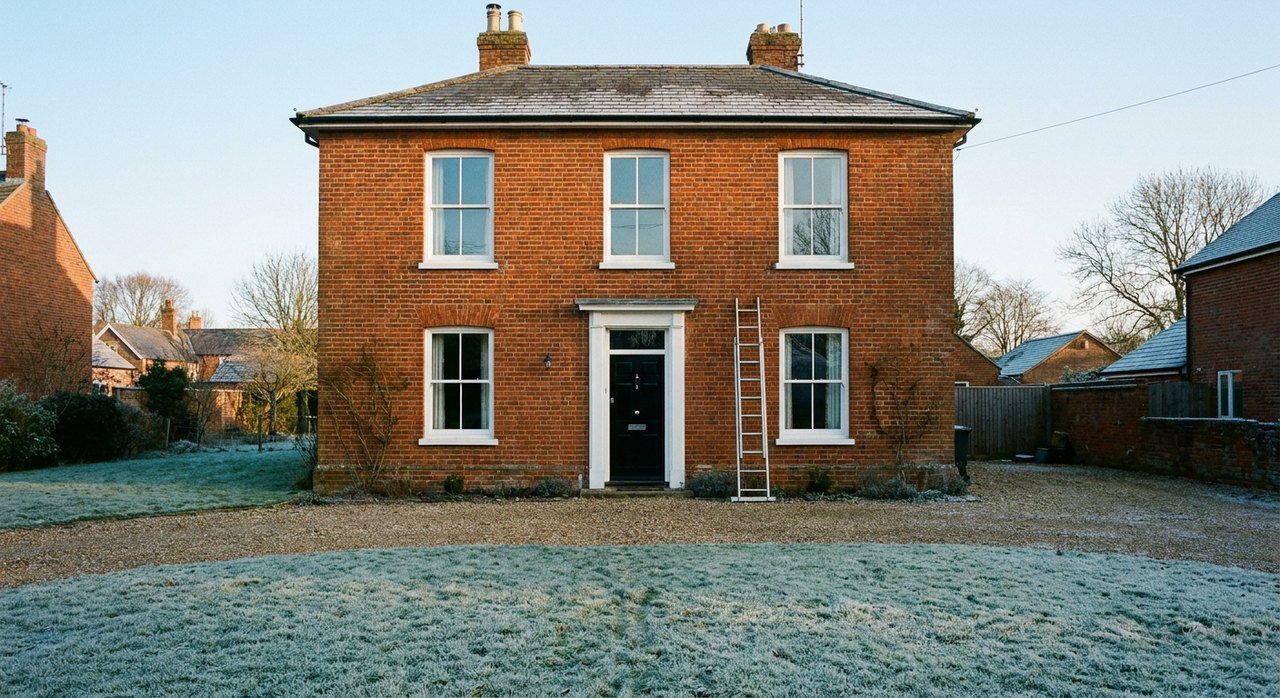
Building surveys often recommend replacement for sash windows with visible rot. A surveyor is right to flag the rot; replacement is a different question. On most period windows the rot is confined to the parts that sit in water: the sill, the bottom rail of the lower sash and the bottom of the frame. Those can be cut back to sound timber and spliced, or the sill replaced outright, while the rest of the window is kept. Whole-window replacement is usually justified only where the rot runs through the frame, the window has been badly altered in the past, or the owner wants a different design.
The practical step is to ask for the overhaul quote to price the rot repair window by window. That gives a like-for-like comparison with the replacement quote, which typically runs to £2,080 to £3,380 a window.
Can rotten sills be repaired rather than replaced?
Usually, yes. There are two methods. A timber splice cuts out the rotten section and joins in new wood, ideally a durable modified timber such as Accoya, which carries the manufacturer’s own 50-year guarantee against rot, or Tricoya. A filler or resin repair fills smaller, shallower areas of decay after the soft wood is removed. Resin suits limited damage; deep or extensive rot needs new timber. There is no independent published service life for either method, so the useful question is what the firm guarantees and for how long.
Does the work on the quote need consent? Conservation areas and listed buildings
Most lines on an overhaul quote need no permission. An overhaul is repair, and like-for-like repair needs no planning permission, because the window looks the same afterwards. In a conservation area, many councils have used an Article 4 Direction to remove the right to replace windows without permission, which makes keeping and overhauling them the straightforward route. It is worth checking with the council whether one applies.
Listed buildings need more care. Like-for-like cord renewal with the same material needs no listed building consent, and Historic England says self-adhesive strips need none either. Cutting grooves for seals may need consent. Islington Council’s 2025 guidance gives a workable test: consent is not needed provided the work is not visible and does not harmfully weaken the window. Changing the glass to double glazing of any kind does need listed building consent, though Historic England’s current advice says slim or vacuum glazing within historic frames will generally be acceptable, with exceptions such as windows that still hold historic glass.
Is the draught proofing on the quote worth it? Does it actually work?
Draught proofing is often the line people are tempted to strike out. It is worth keeping, and the evidence comes from repaired windows, not new ones. Historic England’s research found that straightforward repairs alone, getting the sashes to fit their frames again, can cut air leakage by up to a third, and that draught proofing a sash window in good condition can reduce air infiltration by as much as 86 per cent. That figure measures air movement, not heating bills, and it depends on the window being repaired first, which is the argument for doing the overhaul and the draught proofing together.
Should the quote include new glass?
If you are thinking about better glass, ask for it on the same quote: the overhaul is the cheapest moment to change it. Vacuum insulated glass is about 8 mm thick, thin enough to fit an original sash once the glass recess is cut a little deeper, and the sash is rebalanced to carry its extra weight. The same specialist puts reglazing at around 30 per cent more than restoration alone, or £1,100 to £1,600 a window for the full package. Doing it later means taking every sash out and rebalancing it a second time.
Frequently asked questions
What does a sash window overhaul include? A full overhaul removes the sashes, repairs any rot, renews all the cords, rebalances the weights, frees the pulleys, eases the sashes, fits new staff and parting beads with draught seals, makes the glazing putty good and primes bare timber before refitting. Many quotes cover only part of that list, so it is worth checking each line.
How much does a sash window overhaul cost in the UK? An overhaul alone typically costs £280 to £480 a window, and an overhaul with draught proofing and decoration £820 to £1,020, based on UK firms’ published prices for 2025 and 2026. A full refurbishment including rot repair is typically £820 to £960 a window; Scott James Sash Windows Specialists publish a guide from £700.
Should all the sash cords on a window be replaced when a cord breaks? Yes. The Society for the Protection of Ancient Buildings advises renewing all the cords on that window, because the others are the same age and the sashes have to come out either way.
What is the difference between brush seals and foam seals on sash windows? Brush pile is a wiper seal for the surfaces that slide, the sides and the meeting rails. Foam is a compression seal for where a sash closes onto the frame, at the head and the sill. Foam strip on the sliding sides of a sash fails quickly; the Energy Saving Trust advises brush strips instead.
Do I need listed building consent to overhaul sash windows? Like-for-like repair and cord renewal with the same material normally need no consent, and nor do self-adhesive seals. Cutting grooves for seals may, unless the work is invisible and does not weaken the window, and any double glazing needs listed building consent. Check with the local planning authority.
Is it cheaper to repair or replace sash windows? Repair is usually much cheaper. A full refurbishment typically costs £820 to £960 a window, and even with draught proofing and vacuum glass it is typically £1,100 to £1,600, against £2,080 to £3,380 for a new timber sash window.

Terry Clark is the Publisher and Content Director of 365 Retail, with more than a decade of experience covering retail design, technology innovations, store openings and the wider retail industry. He also works closely with leading retailers, suppliers, agencies, events and industry awards across the UK.