








Retail parks deal with large numbers of visitors every day, and managers are often struggling to maximise visitor experience and satisfy tenant demands. To make it easier, they need to understand how people move through parking areas, walkways, plazas, and entrances, as this is part of the experience and affects where they ultimately choose to shop.
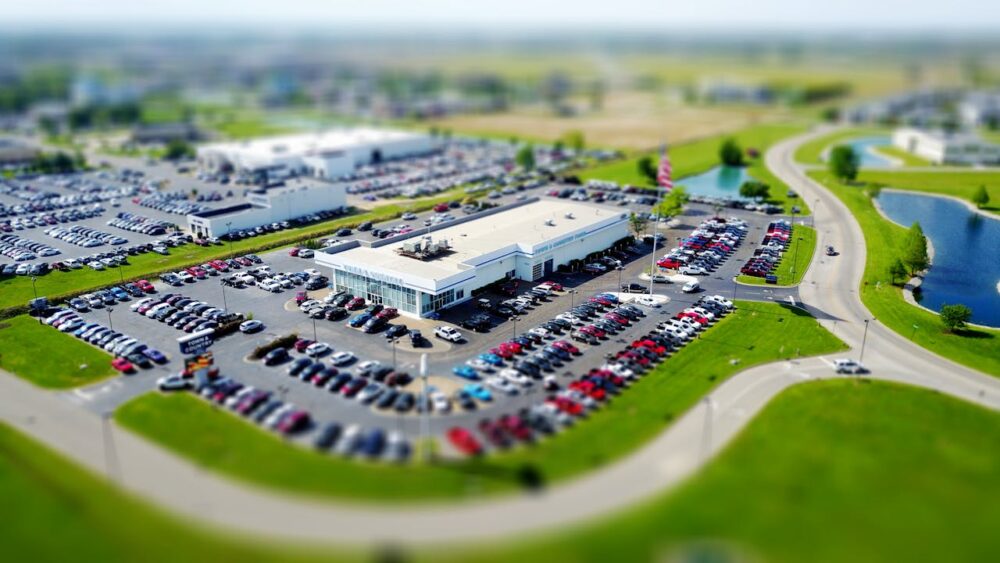
Retail park dynamics and the challenge of outdoor visibility
Unlike a simple store, a retail park features multiple entrances, large parking areas, pedestrian paths, and even outdoor plazas. Visitors can also arrive in waves and use different means.

The solution gaining traction among outdoor retail operators comes from an unexpected source: public park management. Outdoor people counting sensors for parks were developed to help municipalities track visitor patterns in green spaces, beaches, and tourist sites environments that share many challenges with outdoor retail. The need for this kind of visibility has made retail park managers adopt outdoor radar-based people counting sensors to help track how pedestrians, cyclists, and even scooters move across a park. Managers can then use this information to make various decisions and shape operations.
It’s important for park managers to gain insights into all these movements as they influence how and when people shop. The information helps park managers plan more effectively, optimize maintenance scheduling, and evaluate project results.
Key capabilities and benefits of outdoor visitor analytics
Based on implementation data from radar providers like SensMax, outdoor visitor analytics help managers get insights from automated reports that were previously impossible. Using devices like TAC-B people counting sensors, parks can track how visitors move across different spaces. All this is done without compromising their privacy as these devices don’t collect any personal data and are therefore GDPR compliant out of the box.
Tracking visitor flow and movement patterns
People counters show much more than the number of visitors that entered the park. They can track a person’s movement from entry to exit, allowing them to determine the average time spent in different areas. The sensors do this around the clock as they are not limited by environmental conditions like darkness, direct sunlight, or rain, unlike video cameras.
This is important data as it helps understand the entrances with the most traffic, the most used pathways, and the zones that are consistently underutilised. Managers can then use these patterns to make smarter operational decisions. For example, they can adjust their cleaning or security schedules and even redesign pedestrian routes that tend to be overcrowded.
Understanding visitor behaviour
The fact that people counters can see how visitors move within a space means they can give managers data on preferred routes, dwell times, and how the various means of transport are distributed. Analytics can then help them understand the spaces that are most engaging or potentially problematic. This informs decisions like layout adjustments, amenity placements, and signage improvements. In retail parks with family-friendly zones, for instance, dwell time data around play areas might lead managers to better define those spaces with solutions like flexible playground border edging from WillyGoat, ensuring high-traffic zones are both safe and clearly structured based on real visitor movement patterns.
Retail parks can also share some of these outdoor analytics with their tenants to help them thrive. Data like traffic distribution can help stores optimize opening hours, staffing, and promotional campaigns. It leads to better conversion rates, and the park benefits as a result.
Measuring the impact of events and promotions
Events, seasonal markets, and marketing campaigns often change park activity, but managers can’t clearly see the results without data. Outdoor visitor analytics through people counters helps see the actual impact based on the changes in the number of visitors.
Since managers have existing data for different months, weeks, and days, they can easily see the impact of a particular campaign. This helps refine promotional strategies and optimise future events based on the zones that were most impacted.
Integrating outdoor analytics into decision-making
People counters help provide business answers to various outdoor retail questions, but that’s just the first step. These are actionable reports that you can then combine with operational, marketing, and tenant reports. This helps create a more complete picture of how effective the park is and helps improve performance in different aspects.
For example, when a manager has a clear idea of peak traffic hours, they can adjust staffing schedules to increase efficiency. They can also use historical trends to make better forecasts on weekends, holidays, seasonal markets, or marketing campaigns.
This kind of integration helps avoid decisions that are based on hunches or assumptions. It then makes it easy to test new layouts, promotions, and visitor services before making long-term decisions. Day-to-day decisions also become more proactive rather than reactive, something that benefits the park, its tenants, and its visitors alike.

Terry Clark is the Publisher and Content Director of 365 Retail, with more than a decade of experience covering retail design, technology innovations, store openings and the wider retail industry. He also works closely with leading retailers, suppliers, agencies, events and industry awards across the UK.