







Customer attention in retail is increasingly shaped by how people interact with entertainment platforms. Streaming services, social apps, and gaming environments have trained users to expect smooth navigation, fast feedback, and content that feels relevant. In physical shops and online stores, expectations formed elsewhere influence how long people stay, what they notice, and what they ignore. Retailers now work in a space where attention is limited and easily redirected. Small design choices, pacing, and messaging all affect whether a customer continues exploring or moves on. Looking at how entertainment platforms hold attention offers practical lessons for retail environments trying to keep people engaged without overwhelming them.
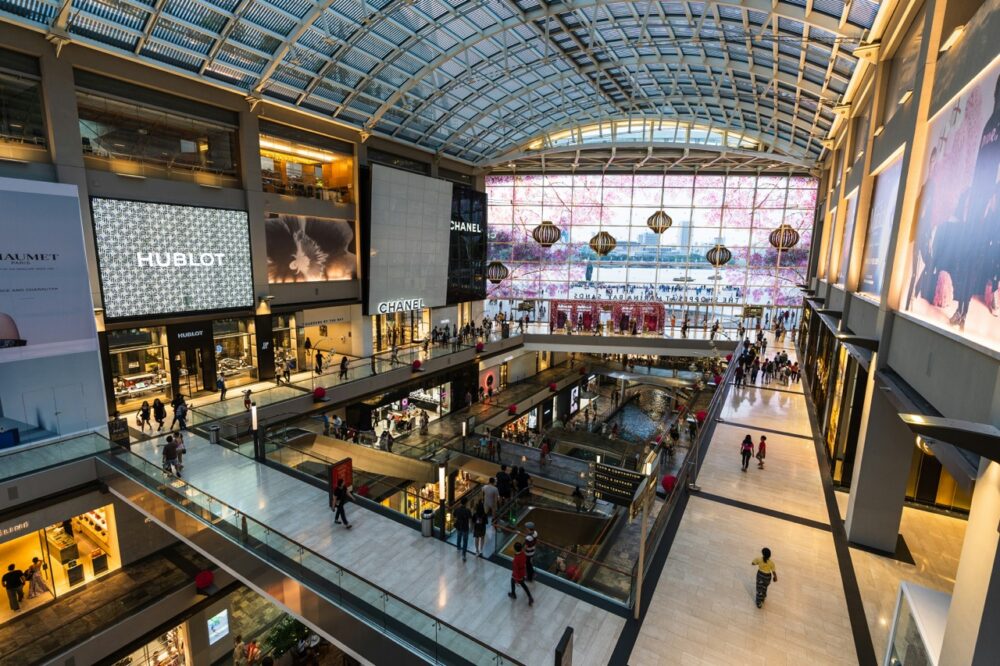
Customer attention shaped by entertainment habits
People now move between apps and platforms where content is served continuously. Autoplay videos, curated feeds, and algorithm-driven recommendations reduce effort in choosing what to view. This shapes how attention works. In retail, long menus or cluttered layouts can create friction that did not matter as much before.

Successful entertainment platforms reduce decision fatigue by narrowing options and highlighting a few clear paths. Retailers can apply similar thinking by grouping products, using clear navigation, and showing relevance early in the journey. The aim is not to remove choice but to make the first steps feel effortless. When attention is earned quickly, customers are more likely to stay and explore further rather than abandon the process.
This also affects how people judge relevance within seconds of landing on a page or entering a store. If the first few options feel random or overwhelming, attention may drop, even if the range is strong. Entertainment platforms counter this by “learning” preferences, adjusting what’s shown based on simple signals like clicks and pauses.
Retailers can mirror this by prioritising adaptive merchandising, where the most relevant categories or products surface first based on behaviour, time of day, or previous interactions. The result is a smoother path from arrival to interest, with fewer moments where the customer has to stop and think about where to go next.
What retail can learn from platform design
Entertainment platforms are built around retention. Small interactions confirm that users are in the right place. A like, a preview, or a saved item gives immediate feedback. Retail environments can borrow this idea by making actions feel responsive. Hover states online, quick view buttons, and stock indicators reduce uncertainty.
Onboarding is another area where online platforms set a strong example. New users are guided with simple prompts rather than full explanations at once. In retail, this translates into helping customers start with easy entry points such as bestsellers or curated collections. When customers receive relevant suggestions based on browsing behaviour, they feel the experience is tailored rather than generic. Consistency in tone and layout also builds familiarity across sessions.
In some digital environments such as iGaming, platforms often send personalized emails based on user data, tailoring their recommendations of the best new poker game or slot online.
Takeaways
Customers expect the same clarity in store layouts as they see in apps: clear signage, simple pathways, and visible product groupings help mirror the structure of digital platforms.
Online, checkout processes benefit from the same approach. Fewer steps, clear progress indicators, and saved preferences reduce abandoned carts.
Storytelling can also have an impact. Entertainment platforms often present content in themed collections. Retailers can use similar grouping to make browsing feel more focused.

Terry Clark is the Publisher and Content Director of 365 Retail, with more than a decade of experience covering retail design, technology innovations, store openings and the wider retail industry. He also works closely with leading retailers, suppliers, agencies, events and industry awards across the UK.