









Why Scissor Lifts Are Essential for Modern Contractors
Scissor lifts have become one of the most widely used access platforms across construction, maintenance, fit‑outs and facility management. Their stability, versatility and ease of operation make them an essential tool for contractors who need safe and reliable access to work at height. As projects become more complex and deadlines tighter, choosing the right scissor lift is crucial for efficiency, safety and cost‑effectiveness. Understanding the key factors involved helps contractors make informed decisions that support productivity and compliance. Whether working indoors, outdoors or across multiple sites, scissor lifts provide a practical solution that enhances performance and reduces risk.

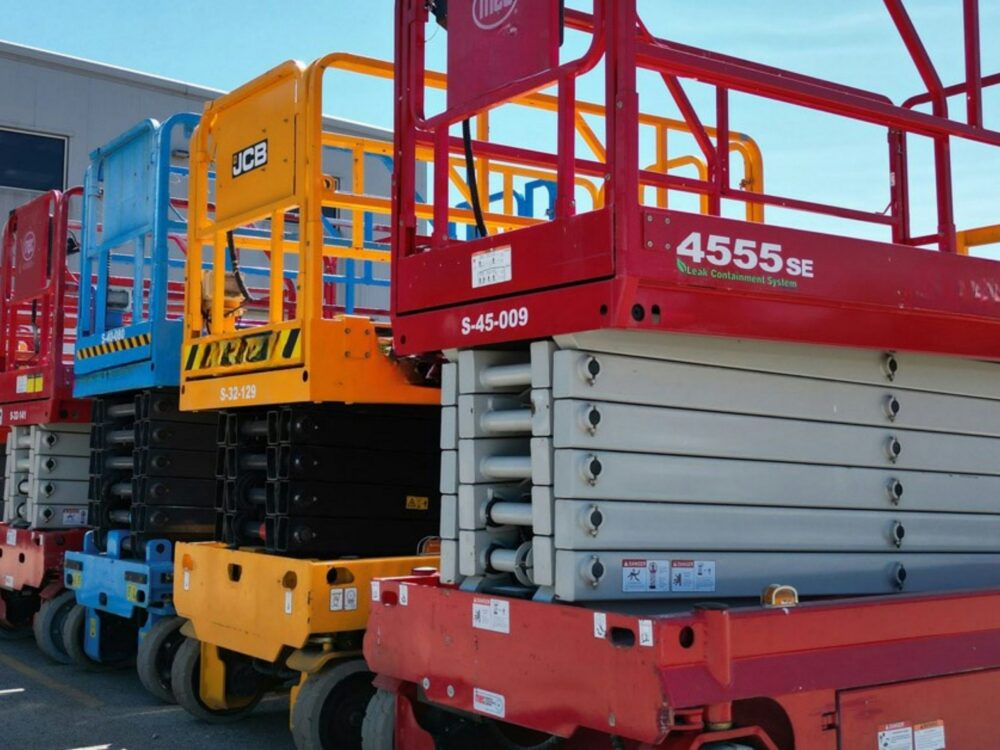
Assessing the Height Requirements of Your Project
One of the first considerations when selecting a scissor lift is the required working height. Contractors must assess how high the platform needs to reach and whether the lift can safely access the intended area. Indoor projects such as electrical installations or ceiling repairs may require lower‑level lifts, while outdoor construction or cladding work often demands higher platforms. Choosing a lift with the correct height capacity ensures safe operation and prevents delays caused by equipment limitations. You can explore height options further with Access Platforms Sales scissor lift height guidance.
Understanding Load Capacity and Platform Size
Load capacity is another critical factor for contractors. Scissor lifts must support not only the operator but also tools, materials and equipment. Overloading a platform can compromise stability and safety. Contractors should consider the weight of everything that will be used at height and select a lift with a suitable capacity. Platform size also matters, especially for tasks that require multiple workers or larger tools. A spacious platform improves comfort, efficiency and workflow, allowing contractors to complete tasks more effectively.
Choosing Between Electric and Diesel Scissor Lifts
Contractors must decide whether an electric or diesel scissor lift is best suited to their project. Electric scissor lifts are ideal for indoor environments due to their quiet operation, zero emissions and compact design. They are perfect for warehouses, retail fit‑outs and indoor maintenance. Diesel scissor lifts, on the other hand, offer greater power and are designed for outdoor use, particularly on rough terrain or construction sites. Understanding the differences between these two types helps contractors choose the most efficient and safe option for their working environment. You can explore this further with electric vs diesel scissor lifts.
Evaluating Ground Conditions and Terrain
Ground conditions play a major role in determining which scissor lift is appropriate. Indoor floors are typically smooth and level, making them suitable for slab scissor lifts. Outdoor environments, however, may include uneven ground, gravel, mud or slopes. Rough‑terrain scissor lifts are designed specifically for these conditions, offering enhanced stability, larger tyres and four‑wheel drive options. Contractors must assess the terrain before selecting a lift to ensure safe operation and prevent equipment damage. Proper evaluation of ground conditions also helps avoid costly delays caused by unsuitable machinery.
Considering Manoeuvrability and Space Constraints
Many contractors work in tight or restricted spaces where manoeuvrability is essential. Narrow aisles, low ceilings and confined areas require scissor lifts with compact designs and excellent turning capabilities. Indoor scissor lifts often feature slim profiles and tight turning circles, making them ideal for warehouses, retail units and office refurbishments. Outdoor lifts may require more space but still need to navigate around obstacles safely. Contractors should consider the layout of the site and choose a lift that can move efficiently without compromising safety.
Understanding Safety Features and Compliance Requirements
Safety is one of the most important considerations when using scissor lifts. Contractors must ensure that the lift includes essential safety features such as guardrails, emergency stop buttons, tilt sensors and overload protection. Compliance with UK safety regulations is mandatory, and contractors should only hire equipment that meets industry standards. Regular inspections, proper training and adherence to manufacturer guidelines are crucial for preventing accidents. Investing in safe, compliant equipment protects workers and supports long‑term operational reliability. You can explore safety guidance with scissor lift safety requirements.
Factoring in Maintenance and Reliability
Reliable equipment is essential for keeping projects on schedule. Contractors should hire scissor lifts from reputable providers who maintain their machines to high standards. Well‑maintained lifts reduce the risk of breakdowns, improve safety and ensure consistent performance. Regular servicing, thorough inspections and prompt repairs are key indicators of a trustworthy hire company. Contractors should also consider the age and condition of the lift, as newer models often include improved safety features and enhanced efficiency.
Considering the Duration and Cost of Hire
Hire duration and cost are important factors for contractors managing budgets and timelines. Short‑term hire is ideal for quick tasks or one‑off projects, while long‑term hire may be more cost‑effective for extended work. Contractors should compare pricing, delivery options and support services to ensure they receive good value. Transparent pricing and flexible hire terms help contractors plan effectively and avoid unexpected costs. Choosing a hire company that offers clear guidance and reliable support ensures a smooth and efficient experience.
Understanding the Importance of Operator Training
Even the best scissor lift is only safe when operated correctly. Contractors must ensure that all operators receive proper training and certification. Training covers essential skills such as safe operation, emergency procedures, hazard awareness and equipment inspection. Well‑trained operators reduce the risk of accidents and improve overall efficiency. Many hire companies offer training or can recommend accredited providers. Investing in operator training is one of the most effective ways to enhance safety and ensure successful project outcomes.
Matching the Scissor Lift to the Specific Task
Every project is different, and contractors must match the scissor lift to the specific task at hand. Electrical work, painting, HVAC installation, signage, glazing and maintenance all require different platform features. Understanding the demands of the job helps contractors choose a lift that supports productivity and safety. For example, indoor fit‑outs may require compact electric lifts, while outdoor construction may need rough‑terrain diesel lifts. Selecting the right lift ensures that contractors can work efficiently and complete tasks to a high standard.
Conclusion: Choosing the Right Scissor Lift Enhances Safety and Productivity
Scissor lifts are essential tools for contractors working at height, offering stability, efficiency and versatility across a wide range of projects. By considering key factors such as height requirements, load capacity, terrain, manoeuvrability, safety features and hire duration, contractors can choose the right lift for their needs. Proper training, reliable equipment and careful planning ensure safe and productive operation. In 2026, scissor lifts remain one of the most valuable pieces of access equipment available, helping contractors complete projects efficiently while maintaining high standards of safety and professionalism.

Terry Clark is the Publisher and Content Director of 365 Retail, with more than a decade of experience covering retail design, technology innovations, store openings and the wider retail industry. He also works closely with leading retailers, suppliers, agencies, events and industry awards across the UK.