





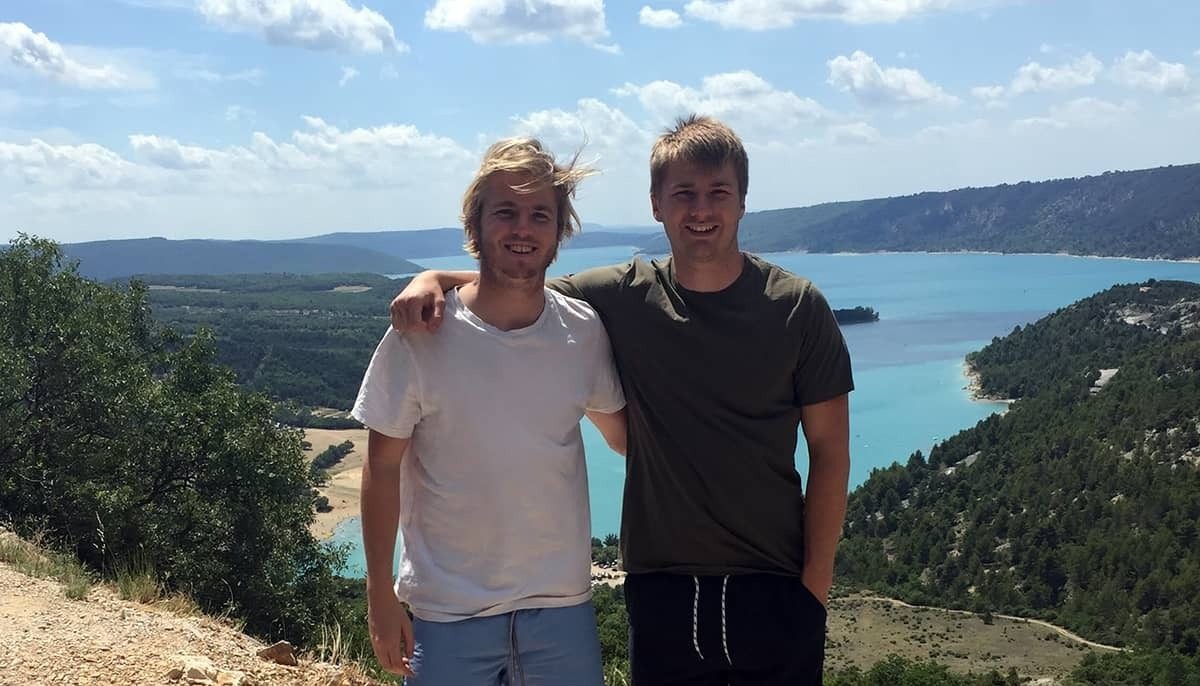
Ten years after brothers Ollie and Neill founded TentBox, the Southampton-based business has helped move rooftop tents from specialist overlanding kit to something seen on everyday family cars, with more than 100,000 TentBoxers now on the road.
TentBox now employs around 100 people at its Southampton HQ and sells through a network of third-party showrooms across the UK, France, Germany, Italy, Poland, the Netherlands and Denmark, alongside a flagship showroom at its headquarters and its first off-site showroom in Reading. Its range has also extended beyond the roof tent with TrunkBox and KitchenBox.

In this Q&A, co-founder Ollie Shurville talks about changing perceptions of camping, who the TentBox customer is today, the role of physical retail and showrooms, building an authentic owner community, expansion across Europe and the brand’s plans for its next ten years.
You’ve built TentBox together over the past ten years, but what are your individual roles within the business today? What does each of you bring to the table, and are there areas where you approach things very differently?
When we started, there wasn’t really such a thing as having clearly defined roles because we were doing everything ourselves. We were developing early prototypes from my garage, working with suppliers, sending out TentBoxes to new customers, sorting logistics, building the website, whatever needed doing.
Ten years later, TentBox is a very different business. We’ve got around 100 people at our Southampton HQ across product and design, customer experience, marketing and operations, so our jobs have naturally evolved much more towards setting the direction of the company and thinking about where we go next.
Neill and I have always been quite complementary. We’ll often come at a problem from slightly different angles, but we’re very aligned on the bigger idea behind TentBox: making it easier for more people to get outdoors more often. That principle has been there from the start.
TentBox has helped take rooftop tents from quite a specialist outdoor product into something much more mainstream. Was changing that perception one of the biggest challenges in the early days, and at what point did you realise the idea was beginning to break through?
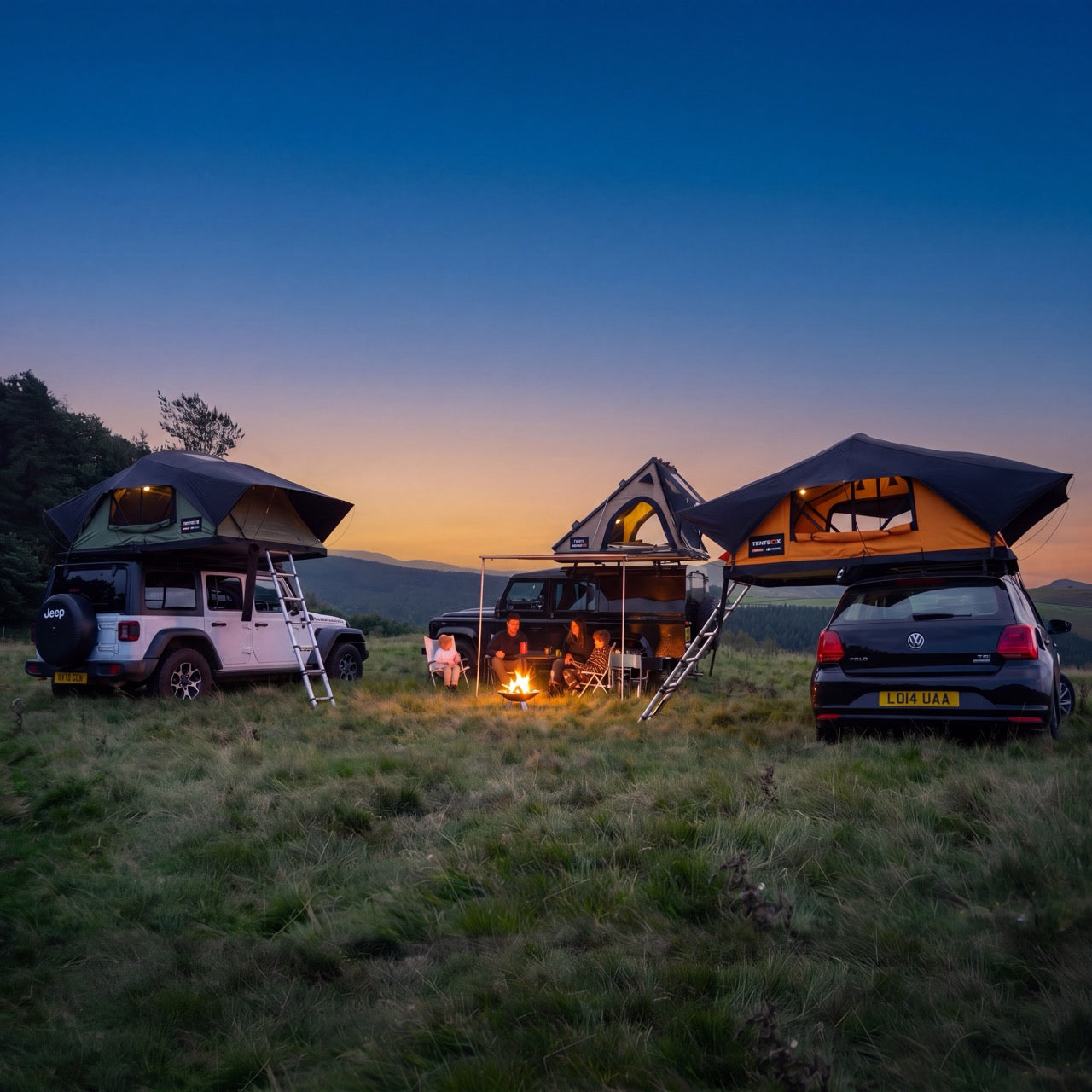
Definitely. When we started TentBox, roof tents in the UK were something you associated with expedition vehicles, heavily modified 4x4s and people doing really serious overlanding. You didn’t expect to see one on a normal family car outside a normal house.
But that was exactly what we thought was wrong with the category. On our first trip with a roof tent, we went to France and people kept coming over and asking us what it was. Then when we told them, they were surprised that you could have a roof tent on an ordinary car. People were clearly interested in the concept, but it still felt inaccessible to most people.
The breakthrough was seeing customers who didn’t necessarily identify as traditional campers loving the products we were developing. We’d unlocked a new type of trip for people who wanted to spend more time outdoors. They could use the car they already owned to get into the outdoors without all the hassle and have a comfy bed to sleep in so they could actually enjoy it. They didn’t need to buy a campervan or spend hours setting up a ground tent.
Today there are more than 100,000 TentBoxers on the road.
Who is the TentBox customer today? Has that audience changed as the brand has grown, and how do you attract people who may not have grown up camping or would never previously have described themselves as particularly outdoorsy?
One of the things I like most about TentBox is that there isn’t really one type of TentBox customer.
We’ve got families taking their children on their first camping trip, couples going away for the weekend to decompress from a busy week, solo travellers going on road trips through multiple European countries, people who have camped their whole lives and people who never thought camping was for them.
A big part of what we’ve tried to do is remove some of the intimidation around getting outdoors. You shouldn’t need a huge 4×4, loads of specialist equipment or knowledge to spend quality time in nature.
Most of our customers aren’t interested in proving how outdoorsy they are. They want a good weekend away they can actually enjoy. That’s why simplicity is so important: making products compatible with everyday cars, easy to open and comfortable to sleep in.
How important is physical retail and the opportunity for customers to actually see, touch and experience the product before buying? Could we see TentBox appearing in more retailers, showrooms, pop ups or other physical spaces?
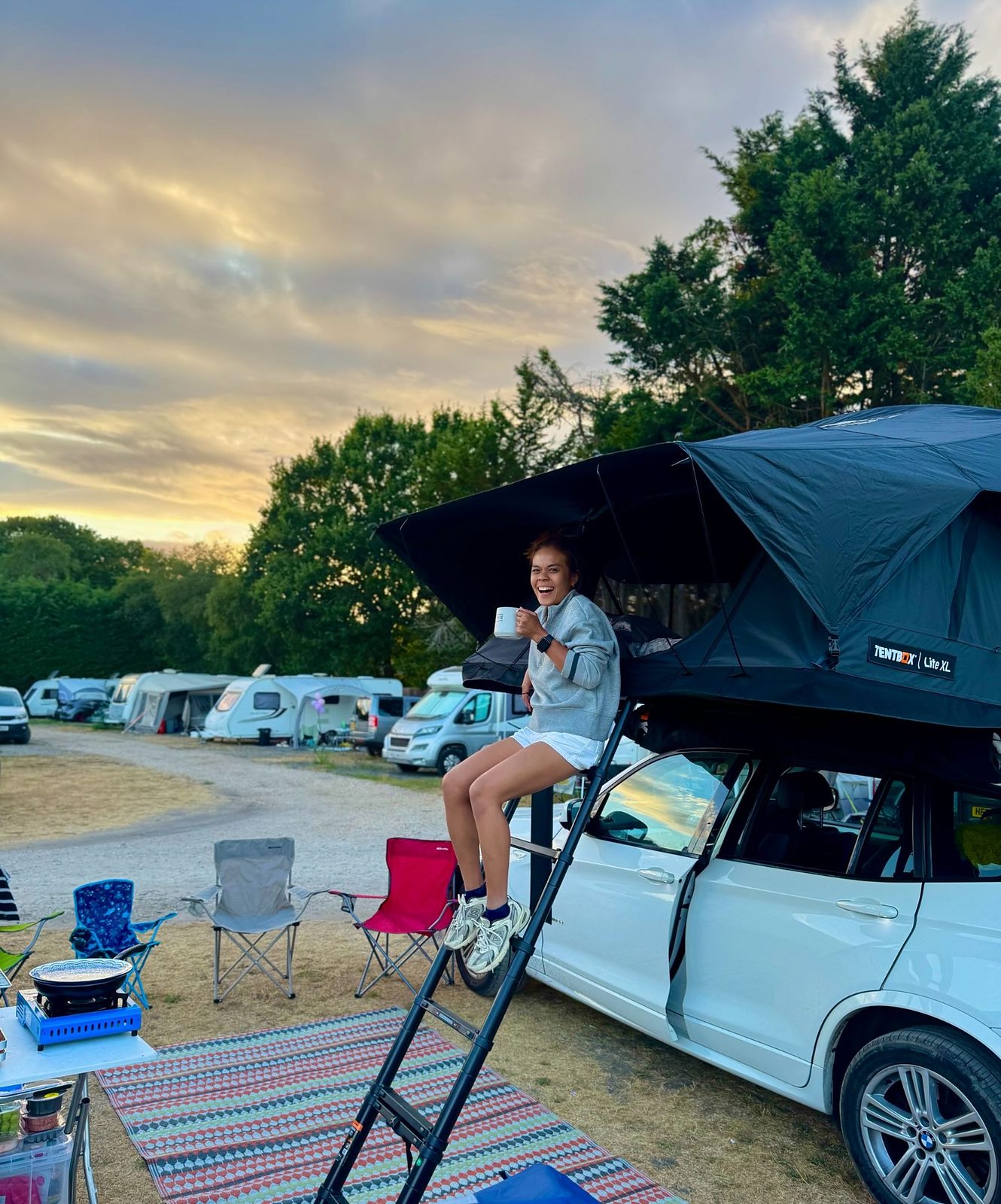
Experiencing a TentBox in person is incredibly powerful because there’s usually a moment where somebody climbs up, sees the mattress and the amount of space inside, and immediately starts imagining where they can go.
Online is obviously hugely important because that’s often where people get inspired about the trips they can take in the TentBox and work out which product is right for their car. There’s something special about physically opening a TentBox, seeing how quickly it sets up and imagining yourself actually using it.
For us, the important thing is making that journey from imagination to reality as easy as possible wherever somebody encounters the brand. We want to help experience the product first-hand, whether that’s through physical retail, events or other experiences. That’s why we’ve built out a network of third-party showrooms across the UK, France, Germany, Italy, Poland, the Netherlands and Denmark, as well as investing in our new flagship showroom at our Southampton HQ and the first off-site showroom, which we’re running in Reading. They’re run by people who know the products inside out and have a passion for the outdoors.
How important has authentic customer content been to the growth of the brand, and how do you balance influencer activity with keeping that sense of a genuine community?
The community has probably been one of the biggest, most rewarding parts of the TentBox story. TentBoxers aren’t just posting photos of the product. They’re sharing campsites, routes, installation advice, tips and places they’ve discovered. Some of them organise their own TentBox Takeovers where hundreds of owners meet up.
That authenticity is really important to us. We work with community members and creators to introduce TentBox to new audiences, but often the most powerful content is a real owner proudly showing a moment from a trip away and that makes another person think, ‘I want to do that’.
It works both ways too. We listen very closely to what customers are saying and feed that back into product development, so the community isn’t just a group of people in a social platform, their experiences actively help shape the business.
Do you enjoy challenging established ideas of what camping is, and has bringing something different to the category helped more people discover the outdoors?
Absolutely. We’ve never really believed there should be a test for what counts as ‘proper’ camping.
If somebody loves carrying everything into the mountains and sleeping in a tiny tent, brilliant. If somebody wants to drive to a campsite in the Peak District, fire up the barbecue and spend the weekend with their family and friends, that’s brilliant too.
The thing we’ve always wanted to challenge is the idea that adventure is an exclusive thing. A roof tent changes the psychology of camping because your bed is already there. You arrive, open it in minutes, you’re off the ground, and you’ve got a comfy place to sleep with a view of the sky.
We’re constantly trying to find new ways to make camping easier or more comfortable so that it’s easier for people to say yes to the trips they want to take outside. A measure of success for us is seeing people make a habit of TentBoxing, going on multiple trips a year they wouldn’t have taken otherwise.
TrunkBox takes TentBox into another part of the outdoor and travel experience. How much opportunity do you see to develop the brand further across outdoor, travel and lifestyle products?
A huge amount, because the roof tent is really only one part of the experience of getting away.
Whenever we develop something, we’re asking the same question: what stops people from taking more trips?
With TrunkBox, one of those barriers was packing. Anyone who camps regularly knows the process of finding everything, loading the car, unloading it afterwards and then doing it all again the following weekend. TrunkBox is designed so that your camping equipment stays organised, packed and ready to go.
When Neill and I took that first trip across France, TrunkBox was something that we really wished we had, and it has been on my mind ever since. It’s why I’m so excited to see it finally get into TentBoxers hands!
That thinking gives us a much bigger opportunity beyond roof tents. We now have 15 people working across product and design at our Southampton HQ, and we’re increasingly looking at the whole outdoor and car-camping experience.
The filter will always be the same: does this make it easier, quicker or more enjoyable for somebody to get outside?
As TentBox expands further across Europe, are you finding significant differences between markets?
There are obviously differences in how people travel and camp across Europe, and part of expanding internationally is making sure you listen rather than assuming everything that works in the UK will translate exactly somewhere else.
But the underlying customer need is remarkably consistent. People want freedom, flexibility and an easier way to get away more often.
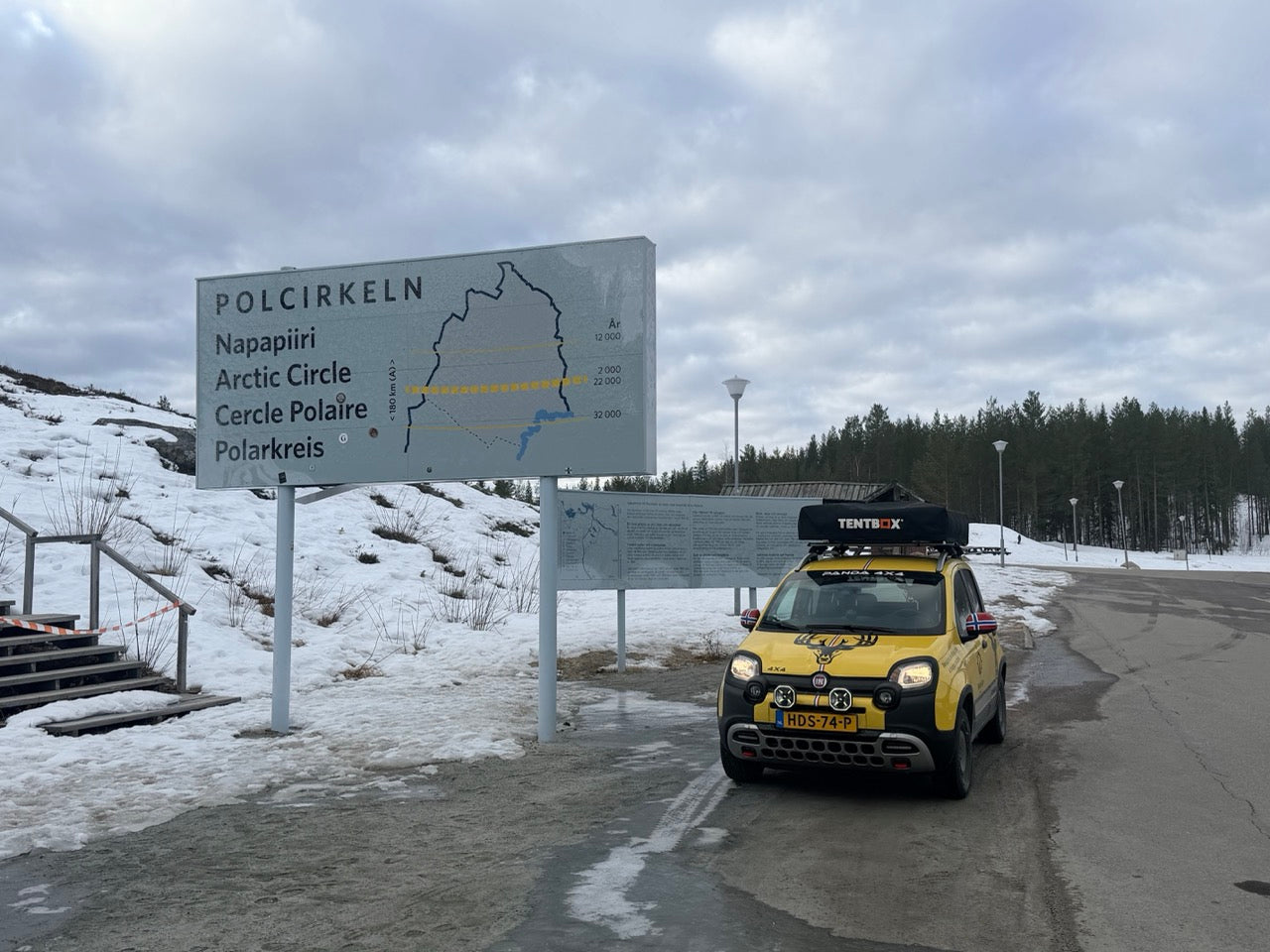
That was what Neill and I loved about our first roof-tent trip through France back in 2014: there wasn’t a rigid itinerary. We could stop somewhere new, sleep and wake up ready for the next day.
As we grow across Europe, that means learning from customers in each market and feeding that back into the business, just as we’ve always done in the UK. TentBox is continuing to invest in its UK base while expanding across Europe, rather than treating the two as separate things.
Looking ahead to the next ten years, what does the ambition for TentBox look like?
The exciting thing is that reaching ten years doesn’t feel like we’ve completed something. It feels like we’ve built the foundations for what comes next.
The ambition itself hasn’t really changed. We started TentBox because we wanted to make it easier for people to enjoy the outdoors, and that’s still what drives us.
What has changed is what we’re capable of doing. We’ve now got a substantial product and design team in Southampton, a community of more than 100,000 TentBoxers and ten years of customer feedback to inform our product roadmap.
KitchenBox and TrunkBox are examples of us thinking beyond the roof tent and looking at different ways to encourage people to take more trips into the outdoors. We have some exciting launches coming in 2027 that make sleeping, cooking and spending time outdoors even more enjoyable. So I think the next decade is about taking that same philosophy into more products, more markets, and ultimately helping far more people take more trips, more often.
What have you learned about creating a joined-up customer journey, and where does physical retail add the most value?
The biggest thing is removing uncertainty at every stage.
Somebody might first see a TentBox on Instagram, then go online to work out whether one fits their car, then speak to our team, see one in person and eventually become part of the TentBox community themselves.
Each of those moments needs to give them confidence rather than create another barrier.
Online is brilliant for discovery, information and compatibility, while physical retail can do something very different: it lets somebody experience the product, learn how it can fit their car and their lifestyle. They can see the size, feel the materials, understand how quickly it opens and imagine what using it would actually be like.
For example, we specifically designed TentBox Go to work well in retail. It’s supplied flat-packed and boxed up in a size that can be displayed on a store shelf, then loaded into your car and taken home.
Ultimately, the customer shouldn’t really notice the distinction between online and retail. It should feel like one TentBox experience, whichever route they take.
How important are product longevity and ongoing customer support to building loyalty and trust?
They’re hugely important because we don’t see a TentBox as something somebody buys once and then is on their own with it.
Our products are designed for real-world use and durability, but people also need the confidence that the company behind the product will be there as they use it on many trips. We offer an industry-leading 5-year warranty as standard on all TentBoxes, giving TentBoxers confidence that their purchase will thrive through years of adventures.
One of the advantages of having such an engaged community is that we get a continual stream of feedback about how products perform in the real world, what works well, the small frustrations people encounter and what could be improved. That feeds directly into refinements to existing models and into new products.
A perfect example of this is our release of the refreshed versions of the Lite and Lite XL earlier this year. All the revisions we made to those products came directly from feedback gathered from the TentBoxers who use them regularly.
Long-term trust comes from making a good product in the first place, but also listening after you’ve sold it. If somebody has a brilliant experience with their TentBox over a number of years, they don’t just become a repeat customer; very often, they become one of the people recommending TentBox to somebody else.
TentBox marks ten years in 2026, with further product launches planned for 2027.
More Q&As
All interviews FashionHeidi Gosman and Penny KleinFounders, Heidi Klein“If a customer takes the time to walk into one of our boutiques, we owe her an experience that a screen simply cannot replicate.”
 FashionEri Krasniqi and Scarlett AbrahamsFounder and Creative Director, HikersIsland“We obviously believed in the collection, but there’s a big difference between thinking people are going to like something and actually seeing people buy it.”
 Q&AAlexandra PopaFounder and CEO, Bordelle“Exclusivity isn’t about being inaccessible; it’s about creating something distinctive enough that people genuinely value it.”
Want to be interviewed? Put yourself forward

Terry Clark is the Publisher and Content Director of 365 Retail, with more than a decade of experience covering retail design, technology innovations, store openings and the wider retail industry. He also works closely with leading retailers, suppliers, agencies, events and industry awards across the UK.