










Whether it’s the number of hours spent on computers, mobile internet penetration rates, or screen-time averages, it’s very clear that the UK has a digital and internet-centric consumer base. Yet, a great many UK businesses don’t have so much as a website, let alone an online storefront.
A couple of years ago, 32 per cent of businesses were noted as being without a website, while micro firms and sole traders also averaged about a third not being online. This is despite the continued growth of online retail sales in the UK. So, what do offline retail businesses need to know to quickly get online and grow their sales digitally?

Usability and Navigation
It might sound shallow, and it kind of is, but the aesthetics and performance of your online store will make a colossal difference. On average, it’ll take a user less than one second to form an opinion about your website, and from there, stats suggest that they’ll only give the site around ten to 15 seconds to be impressed or click away.
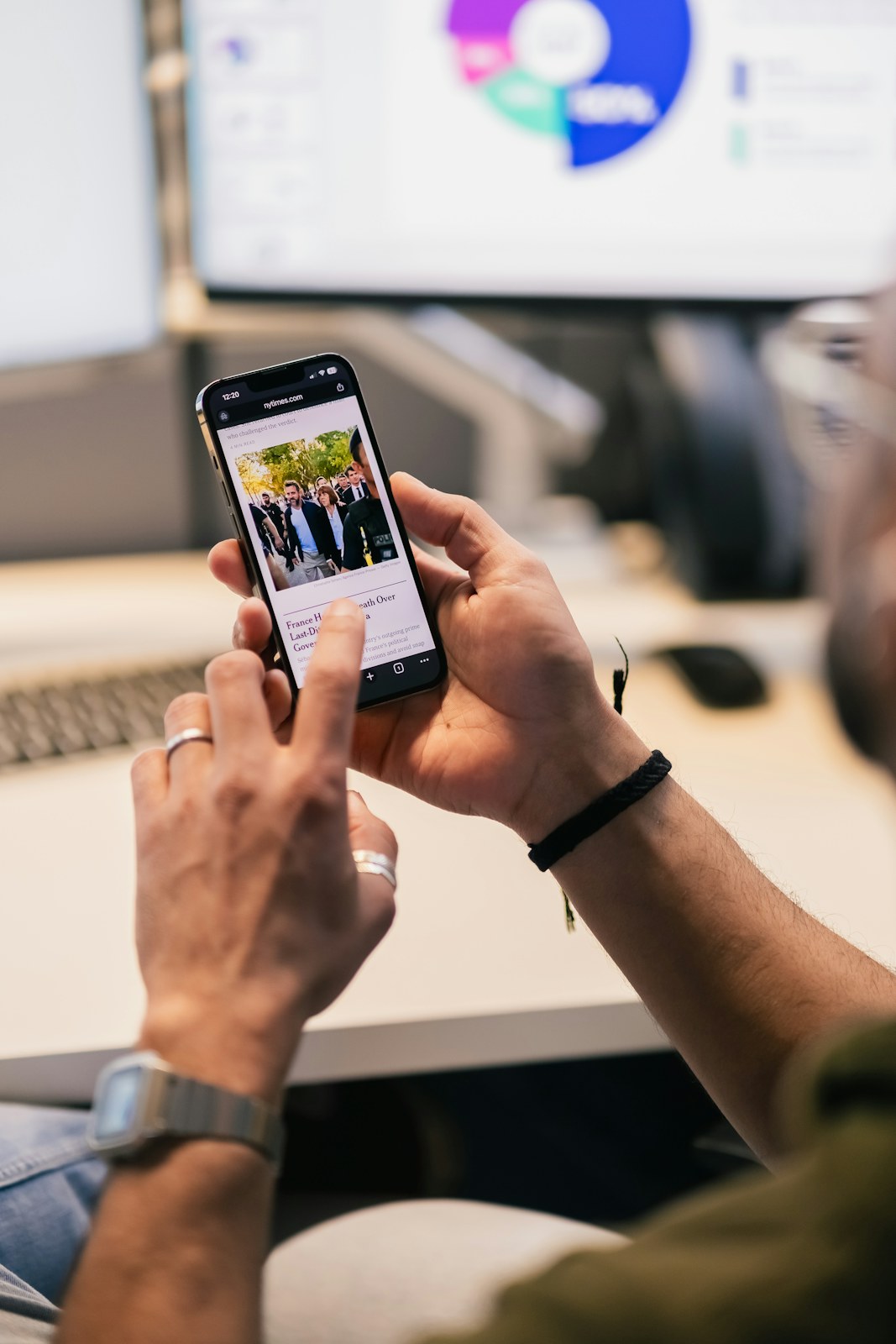
Capturing consumer attention in a time where the focus is on quick and convenient bursts online comes down to a few simple elements. Mobile optimisation takes precedence. Back in 2023, and likely many more now, nine in ten people used their smartphones to access the internet. So, swipe-and-scroll-friendly designs are essential.
In retail, this can be a tricky prospect because most stores stock many different items and may want to expand the selection when moving online. Taking a lesson from similarly stocked platforms can help. Take the collection of slots online to play as an example. The platform has hundreds of options, and presents many on each landing page.
However, the site has been optimised to show the big-hitters, break up the scroll into important and useful categories, and all while hosting an animated banner to show off promotions. The addition of the small plus button, with the game count next to it, is a subtle but very useful way to assist navigation and show the range.
Naming and Marketing
As a retail business, you’ll already have a name for your website ready to go, but that doesn’t mean you’ll get the domain you’re looking for. As it goes, the names that tend to make the most sense or contain the more common words are taken or cost a fair bit more. You may need to be prepared to get a bit more creative with the domain.
Following on from that, to make sure that existing customers know where you go, you’ll want to kick off a marketing campaign to spread the word, celebrate the website’s launch, and encourage some activity early on. After all, it will cost time and money to get up and running, so boosting initial sales is a wise move.
Advertising the existence of the website in-store is always a strong move, particularly if it comes with an incentive. A new loyalty program or one that extends from an existing in-store one is a good play, as is handing out codes for in-store customers to use to get an online discount. An offer on the site to celebrate its launch also works well to convert browsers into buyers.
The business website stats for 2026 are quite staggering, but with a smooth build and a strong launch campaign, any retail business can swiftly begin to benefit from the accessibility of selling online.

Terry Clark is the Publisher and Content Director of 365 Retail, with more than a decade of experience covering retail design, technology innovations, store openings and the wider retail industry. He also works closely with leading retailers, suppliers, agencies, events and industry awards across the UK.