











When you walk through a modern brick-and-mortar retail store, you might notice a quiet transformation happening behind the scenes. Gone are the days when store associates spent half their shifts pacing back and forth to the stockroom just to check if a specific shoe size or jacket color was available. Today’s retail floors are becoming fully connected hubs, linking physical shelves directly to real-time digital inventory systems.
While digital dashboards and handheld barcode scanners have held the spotlight for years, a different technology is quietly changing how store staff operate on the floor. Voice interfaces are moving away from simple consumer smart speakers and evolving into intelligent operational engines.

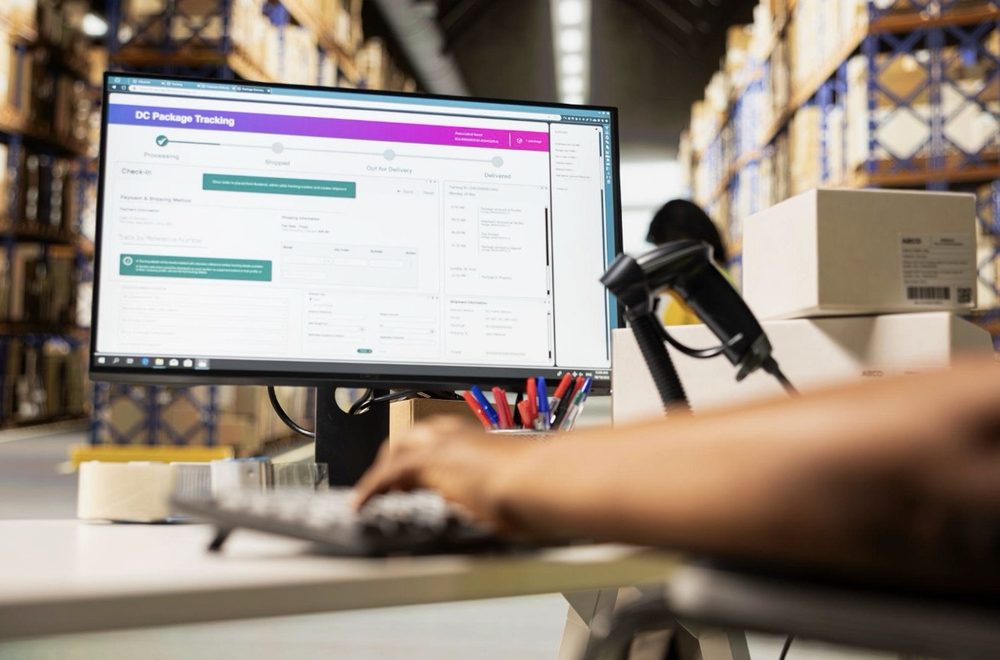
But where exactly do voice agents fit into this new era of connected retail?
Streamlining Floor Operations and Real-Time Stock Checks
The primary bottleneck on any busy shop floor is communication speed. When a shopper asks a store worker whether an item sitting on display is in stock in another color, the traditional workflow involves a lot of friction. The associate either leaves the customer to check a desktop terminal in the back or taps endlessly on a handheld tablet while the customer waits awkwardly.
Voice technology changes that dynamic completely. Equipped with lightweight earpieces or smart badges, store staff can ask quick questions naturally without taking their eyes off the shopper.
Behind these hands-free communications sits a multi-functional AI voice agent platform that processes real-time conversational queries, instantly fetching stock counts from the store’s inventory database and delivering spoken answers directly into the employee’s ear. Instead of stepping away or breaking eye contact, the associate gets an immediate answer in seconds.
This kind of hands-free system is also used for maintaining the store. If there is any kind of problem regarding damage to any display, stock on any rack, or spillage in any aisle, an employee can just mention that by voice command, and the matter will be automatically forwarded to the right department, without the need to fill out any online form or make a telephone call.
Elevating On-the-Job Store Support for Staff
A high turnover rate in retail implies constant training of new employees by store managers. It would be unreasonable to expect newbies to learn complicated store layout schemes, policies regarding promotional activities, or technical aspects of products right on their first day at work.
Voice agents serve as a silent coach for retail sales assistants. The employees may ask a straightforward question like, “What is our return policy for opened electronics?” or “Where do we keep the spare fitting room tags?” and get an immediate answer to that.
The technologies used in retail continue to scale fast to handle such problems. Indeed, customer satisfaction from AI voice agents reached 72% in 2026. The more natural voice systems become, the less time is spent looking for answers and the more time is spent delivering genuine human service to customers.
| Connected Retail Voice Interaction Workflow Floor Associate speaks query naturally into lightweight headset System queries live Inventory / Policy / POS database in real-time Voice Agent processes request and translates data into audio response Associate receives precise audio answer instantly without leaving customer |
Bridging the Gap Between Online and In-Store Commerce
For the contemporary consumer, there is no distinction between brick-and-mortar shopping and online browsing. Consumers use BOPIS to buy online and pick up in stores, check product availability in local stores through mobile apps before going out, and want sales associates to have total visibility into online orders.
Here’s how voice integration makes handling such hybrid work effortless for retailers’ employees:
- Click-and-Collect Staging: Voice commands can be used to instantly check pickup bay information or mark orders fulfilled while bags are being packed.
- Omnichannel Inventory Syncing: When a customer returns an online purchase at a physical register, staff can voice-tag the item for immediate restocking into local inventory counts.
- Cross-Store Logistics: If a product is sold out locally, staff can ask their voice assistant to locate the item at a nearby branch and request a hold for the customer right on the spot.
Connecting voice interfaces to central database engines allows store teams to bridge the gap between digital convenience and physical customer interaction.
The Road Ahead for Connected Retail Spaces
Integrating voice tech into physical retail environments isn’t about replacing the human element but removing administrative hurdles so human interactions can shine. Retailers who successfully deploy voice systems realize that the technology works best when it supports store associates quietly in the background.
The result is a decrease in customer frustration when employees don’t have to walk off the sales floor to verify stock levels or chase down answers. By taking complicated information systems and making them accessible through hands-free dialogue, voice agents have become some of the most pragmatic tools in the connected retail environment.

Terry Clark is the Publisher and Content Director of 365 Retail, with more than a decade of experience covering retail design, technology innovations, store openings and the wider retail industry. He also works closely with leading retailers, suppliers, agencies, events and industry awards across the UK.