











If you love your home but feel like you’re running out of space, a loft conversion is often the most practical solution. Instead of sacrificing garden space with an extension – or taking on the cost and stress of moving — converting your loft lets you unlock square footage you already own.
Whether you’re dreaming of an extra bedroom, a quiet home office, or a bright studio space, a well-designed loft conversion can transform how your home works day to day. It can also add significant value, particularly in London where space is at a premium.

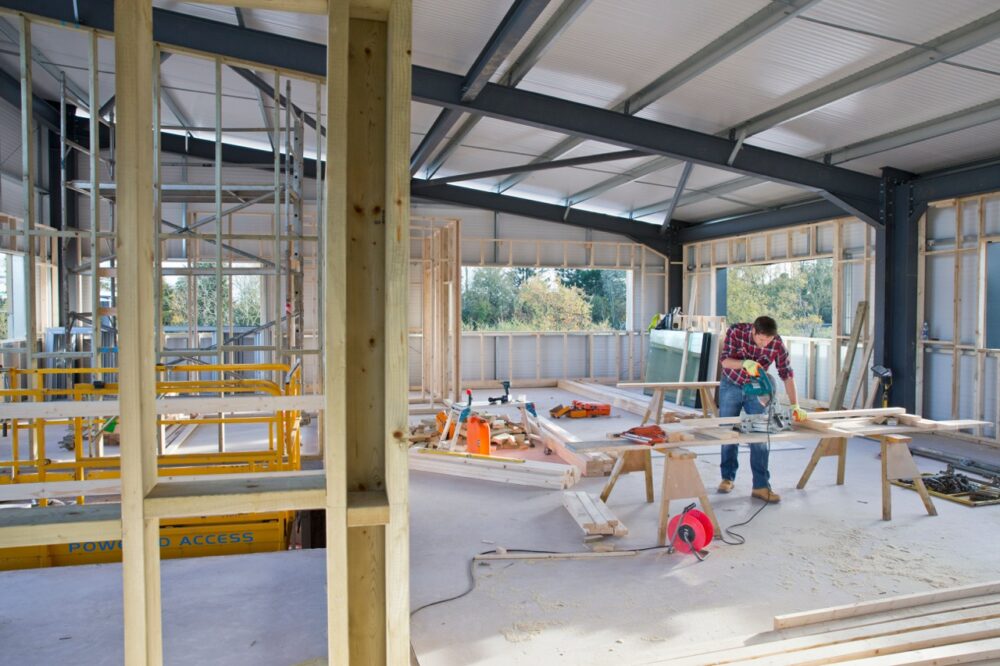
Understanding the Basics of a Loft Conversion
A loft conversion involves turning an unused attic into a safe, insulated and fully liveable room. The exact design depends on your roof type, head height, and the layout of your home, but most loft conversions follow the same core principles:
- creating sufficient headroom and usable floor area
- ensuring structural strength (often with steels and new floor joists)
- adding insulation, ventilation, and fire safety measures
- introducing natural light through skylights or dormers
- installing a staircase that meets Building Regulations
From the outside, a loft conversion can be subtle. Internally, it can completely change the feel of a property – adding a new “level” to your home and improving how the rest of the rooms flow.
Understanding the Basics of a Loft Conversion
A loft conversion involves turning an unused attic into a safe, insulated and fully liveable room. The exact design depends on your roof type, head height, and the layout of your home, but most loft conversions follow the same core principles:
- creating sufficient headroom and usable floor area
- ensuring structural strength (often with steels and new floor joists)
- adding insulation, ventilation, and fire safety measures
- introducing natural light through skylights or dormers
- installing a staircase that meets Building Regulations
From the outside, a loft conversion can be subtle. Internally, it can completely change the feel of a property – adding a new “level” to your home and improving how the rest of the rooms flow.
Why Loft Conversions Are So Popular in London
Space is one of the most valuable commodities in the capital. Many London homes, especially terraces and semi-detached properties, have lofts that are rarely used beyond storage. At the same time, families are growing, working patterns have shifted, and people are prioritising comfort and flexibility.
A loft conversion is appealing because it offers:
- More space without moving
- Minimal impact on outdoor areas
- A strong return on investment
- Flexible use – bedroom, ensuite, office, playroom, guest suite, or studio
It is also one of the few home improvements that can improve both lifestyle and resale appeal in one move.
Types of Loft Conversion: Which One Fits Your Home?
Not all loft conversions are the same. The right option depends on your existing roof shape, the amount of available headroom, and how you want the space to function.
Rooflight (Velux) Loft Conversion
Often the simplest option. It uses skylights rather than changing the roof structure significantly. Best suited where there is already good head height.
Dormer Loft Conversion
One of the most common in the UK. A dormer extends out from the roof slope, creating extra headroom and floor space. Great for adding a bedroom and ensuite.
Hip to Gable Loft Conversion
Ideal for semi-detached and detached homes with a sloped “hip” roof. It straightens the side roofline to form a gable wall, creating a much larger usable space.
Mansard Loft Conversion
Typically creates the most space but is more structural and often requires planning permission. Common in London terraces where maximum headroom is needed.
If you’re exploring options, it’s worth starting with a professional assessment. A good provider will advise what’s structurally possible and what gives the best outcome for your budget and goals. For homeowners looking for a full-service approach, loft conversion specialists can help map out the right route from the start.
Planning Considerations and Building Regulations
The planning side can feel intimidating at first, but most loft conversions follow a clear process.
Do you need planning permission?
Many loft conversions fall under Permitted Development, meaning full planning permission may not be required – especially for standard dormers and rooflight conversions. However, rules vary by borough and property type, and conservation areas can add restrictions.
Building Regulations
Even when planning permission isn’t needed, Building Regulations always apply. These cover:
- structural strength
- fire safety and escape routes
- insulation and energy efficiency
- stair access
- soundproofing
- ventilation
The main takeaway is simple: the project needs to be designed properly, and built to code. This is where using an experienced contractor makes all the difference.
Lifestyle Benefits: Why a Loft Conversion Changes Everyday Living
A loft conversion isn’t just “more space.” It often improves how the whole home feels. Adding a new room upstairs can relieve pressure on the rest of the house – especially in busy family homes.
Common lifestyle upgrades include:
- a master bedroom with ensuite, freeing up a family bathroom
- a dedicated home office, separating work from living space
- a guest suite that doesn’t take over the rest of the home
- a teenage room or study area, giving children more independence
- a creative studio space filled with natural light
Realistically, the biggest benefit is flexibility. Needs change over time, and loft spaces can adapt — nursery today, office tomorrow, guest space later on.
Lifestyle Benefits: Why a Loft Conversion Changes Everyday Living
A loft conversion isn’t just “more space.” It often improves how the whole home feels. Adding a new room upstairs can relieve pressure on the rest of the house — especially in busy family homes.
Common lifestyle upgrades include:
- a master bedroom with ensuite, freeing up a family bathroom
- a dedicated home office, separating work from living space
- a guest suite that doesn’t take over the rest of the home
- a teenage room or study area, giving children more independence
- a creative studio space filled with natural light
Realistically, the biggest benefit is flexibility. Needs change over time, and loft spaces can adapt – nursery today, office tomorrow, guest space later on.
What Makes a Loft Conversion “High Quality”?
Homeowners usually judge the success of a loft conversion by how it feels to live in. The best conversions are not only structurally sound, but comfortable, bright, and practical.
Key features to prioritise:
- smart layout with good storage
- natural light (rooflights, dormers, positioning)
- proper insulation for year-round comfort
- good soundproofing
- strong ventilation (especially if adding a bathroom)
- careful staircase design so the home still flows
This is why selecting the right team matters. A loft conversion is a structural build, but it’s also an interior space you’ll use daily – so finishing and detailing are just as important as the framework. If you want a solution that’s managed from design through completion, working with a proven loft conversion team can keep everything aligned and minimise disruptions.
Looking Ahead: Making the Most of Your Loft Space
Housing needs continue to evolve, and loft conversions remain one of the most future-proof upgrades you can make. Unlike many home projects that are purely cosmetic, a loft conversion improves day-to-day function and adds flexibility long term.
For homeowners in London, it’s also a practical response to rising space costs. Expanding upward can deliver the extra room you need without changing your postcode – and with thoughtful design, it can become one of the most impressive parts of your home.

Terry Clark is the Publisher and Content Director of 365 Retail, with more than a decade of experience covering retail design, technology innovations, store openings and the wider retail industry. He also works closely with leading retailers, suppliers, agencies, events and industry awards across the UK.