











73 per cent of Brits say they are more likely to try a new brand when a promotion is offered. That figure shows how deeply incentives still influence consumer behaviour, even in an era when shopping habits are defined by apps, subscriptions, and digital wallets. From supermarket shelves to crypto platforms, promotions remain a common tool for capturing attention, but the real question is whether they continue to work as powerfully as they once did. Looking at the contrast between grocery discounts and the welcome bonuses offered by digital platforms provides a lens through which to judge their relevance today.
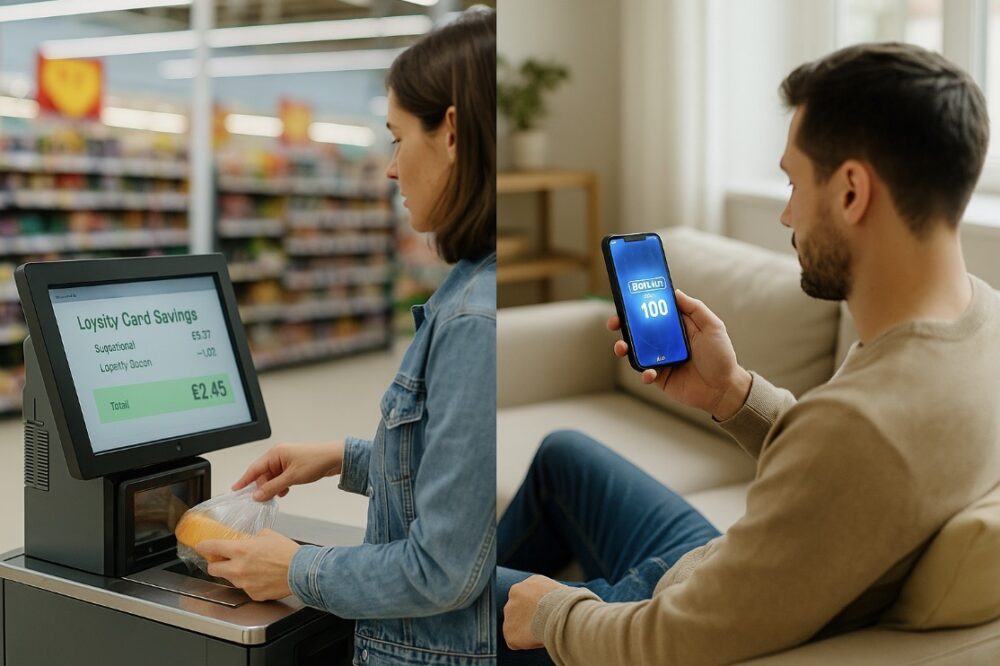
From Loyalty Cards to Digital Wallets – How Incentives Still Drive First Moves
Supermarkets have relied on promotions for decades, and research continues to show that straightforward price cuts dominate the sector. Shoppers encounter these deals on weekly trips, often perceiving them as the main reason to visit one chain over another. The same psychology now stretches into digital environments, where incentives lower the hesitation to engage with something unfamiliar.
The parallel between the old and the new is clear with supermarket discounts lowering the barrier to a first purchase, the same way welcome offers on bitcoin casino sites in the UK encourage trial by combining faster transactions and enhanced privacy with generous bonus packages that stand out in a crowded digital market. The principle is the same: a reward up front nudges people to explore and sets the stage for habits that might continue if the experience delivers.
Value and Transparency – What Consumers Now Expect
Although incentives remain powerful, they no longer succeed simply by existing; they must feel and be genuine. As surveys show, shoppers are right to trust that loyalty offers deliver tangible savings: the CMA executive summary found discounts linked to supermarket cards typically reduce prices by 17–25 per cent, confirming that incentives remain a genuine driver of value. What has changed is that consumers now question how savings are presented, weighing the credibility of the offer as heavily as the percentage printed on the shelf label.
That expectation for clarity extends to digital promotions. At the supermarket till, the discount appears instantly, and the same immediacy is valued when platforms credit bonus funds without delay. Consumers reward offers that are simple to redeem and distrust those tied to complicated steps or unclear terms. Transparency has become the common denominator linking successful incentives in retail and in digital markets
The Psychology of the Reward – Why Short-Term Gains Still Matter
Promotions that are both transparent and easy to redeem succeed not only because they deliver value but because they connect directly with the way people process rewards. Prospect theory shows that loss aversion plays a defining role, with shoppers and players alike preferring the certainty of a small, visible gain over the prospect of saving or earning later.
Research on loyalty schemes confirms how this psychology plays out in practice. Incentives lift activity in the short term, prompting people to purchase more frequently or trial new services. The same instinct can be seen in younger consumers who increasingly turn to AI platforms for shopping advice, showing how immediate sources of guidance or reward continue to influence decisions across contexts. The long-term effects may vary, yet the immediate satisfaction of a reward ensures promotions remain powerful tools for guiding behaviour across sectors.
Crypto Consumers – A Growing Market for Incentives
The audience for digital incentives has expanded rapidly in recent years. According to the Financial Conduct Authority’s analysis on cryptoassets consumer research, around 12 per cent of UK adults now hold digital currencies, up from roughly 10 per cent the year before, with awareness exceeding 90 per cent – a sign that incentives in crypto environments are reaching a steadily expanding audience. This growth points to a mainstream familiarity with digital onboarding processes, from wallet creation to bonus redemption.
Additional surveys confirm the direction of change and provide scale to it, indicating that nearly a quarter of UK adults now own crypto and that more than half have either used or expressed willingness to use digital currencies for purchases.These numbers highlight a consumer base already comfortable with the mechanics of digital rewards, which makes incentive programmes a natural extension rather than an unfamiliar proposition.
Lessons for Retailers and Platforms Alike
Supermarkets demonstrate their advantage by making value visible in a way customers instantly recognise – a discount printed on the receipt leaves no doubt about what was gained. Crypto platforms, meanwhile, excel in digital delivery, providing immediate bonuses, higher limits, and friction-free cross-border access. Each sector illustrates a different strength in how incentives work.
What makes this comparison valuable is not the contrast but the potential exchange of practices. Retailers can study how digital platforms speed up the sign-up process and create loyalty through instant crediting, while crypto operators can learn from the way supermarkets present savings in transparent, easy-to-verify terms. The future of incentives may depend less on which sector does it better and more on how these approaches converge to meet rising consumer expectations

Terry Clark is the Publisher and Content Director of 365 Retail, with more than a decade of experience covering retail design, technology innovations, store openings and the wider retail industry. He also works closely with leading retailers, suppliers, agencies, events and industry awards across the UK.