

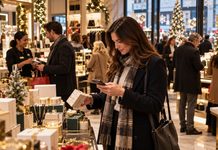
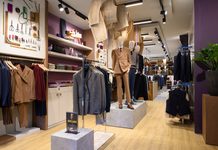



Retailers have long relied on price cuts to attract customers during peak shopping periods.
For instance, IKEA is intensifying its price-cutting strategy to attract cost-conscious shoppers amid ongoing cost-of-living pressures and weak consumer confidence. The Swedish brand is reducing prices across its product line and even slashing restaurant meal prices by up to 50%.


Such discounts can generate short bursts of interest. However, they erode margins and train customers to wait for sales rather than engage with a brand consistently. As consumer expectations shift and competition intensifies, retailers are exploring smarter ways to bring people into stores without constant markdowns.
Seasonal activity remains one of the most effective tools for driving traffic. But success today depends on creativity, relevance, and a strong connection to customer experience. Campaigns built around timing, storytelling, and value can outperform traditional discount-led approaches, especially when they offer something memorable.
Moving Beyond Price-Led Promotions
Retail has reached a point where constant discounting no longer guarantees loyalty. Deloitte’s research highlights that value-seeking behaviour is becoming widespread across all income groups as consumers grow more cautious.
Although pricing is a large part of it, value is shaped by more than it alone. Up to 40% are influenced by factors like quality, convenience, trust, and customer experience. As a result, brands that deliver “more value for the price” are gaining market share and stronger purchase intent.
Thus, competing primarily on price is becoming ineffective. Brands can build perceived value through stronger product positioning, consistent brand experiences, smarter use of AI, and improved omnichannel measurement.
Retailers are finding that thoughtfully designed seasonal initiatives can create anticipation and encourage store visits without compromising profitability. When customers feel there is something new to discover or experience, they are more likely to engage, even without financial incentives. This approach also helps brands maintain their perceived value while still benefiting from increased traffic during key periods.
How can retailers test non-discount strategies without risking sales?
Retailers can begin by running controlled experiments in specific stores, regions, or limited timeframes. This approach allows them to compare performance against discount-led campaigns and evaluate metrics such as customer engagement and conversion rates. Gradual testing also helps teams refine messaging, identify what resonates with shoppers, and minimise financial risk before scaling successful strategies.
Thoughtful Promotional Items in Seasonal Campaigns
Instead of offering financial discounts, giving away promotional items that encourage repeat footfall can yield better results. Consider the summer season, for example, when travel increases significantly.
UK airports had prepared for a busy summer in 2025, with July and August expected to see record passenger numbers. Research by The Independent concluded that Fridays, Sundays, and Mondays could be the most crowded days. Mid-to-late August weekends were to experience the highest passenger volumes, with Gatwick alone expecting over 160,000 travellers a day.
As the travel season approaches, retailers can hand out simple promotional items that don’t cost much. According to Pens.com, something as simple as a mug can increase brand visibility. Customers shopping for a summer vacation can use this accessory during their travel.
Thus, promotional travel mugs can create a more impactful connection with customers than discounts alone. A well-chosen promotional item can extend brand visibility beyond the store visit, reinforcing recall in everyday settings.
How can retailers choose promotional items that align with their brand identity?
Retailers should select items that reflect their brand values and appeal to their target audience’s lifestyle. Practical and well-designed products are more likely to be used regularly, reinforcing brand visibility over time. Considering factors such as quality, relevance, and seasonal fit ensures that promotional items contribute positively to the overall campaign.
Leveraging Brand Storytelling and Emotional Connection
Seasonal campaigns provide a natural platform for storytelling. Whether it is tied to holidays, cultural moments, or changing weather patterns, each season carries its own narrative. Retailers that tap into these narratives can build deeper emotional connections with their audience.
Storytelling can take many forms, from window displays and in-store signage to digital content that complements the physical experience. A well-executed campaign connects products to a broader theme, making them feel more relevant and desirable.
A consistent narrative across all touchpoints strengthens this connection further. When customers encounter the same story through visual merchandising, online content, and in-store interactions, it creates a more cohesive experience.
Retailers can achieve this by moving beyond siloed channel strategies and into omnichannel marketing. They should instead connect digital and in-store data to gain a complete view of customer behaviour and drive measurable growth. Successful omnichannel marketing depends on integrating data, technology, and measurement frameworks to create seamless, personalised experiences.
Creating Experiences That Feel Worth the Visit
Physical retail still holds a strong advantage over online shopping when it offers something tangible and engaging. Seasonal campaigns present an opportunity to transform stores into destinations rather than just points of purchase.
The holiday season is widely recognised as one of the busiest periods for the retail sector. Data from Statista shows that holiday shopping in the UK in 2025 was expected to reach 91 billion British pounds. This was around 3 billion pounds more than in 2024.
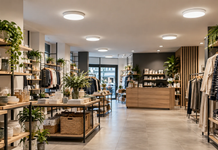
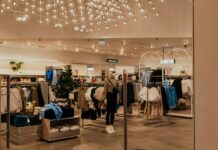
During such festive periods, retailers can adapt store layouts, introduce themed displays, or host in-store experiences that draw attention. These changes do not need to be large-scale or expensive. Even subtle shifts in atmosphere, such as curated product zones or interactive elements, can encourage shoppers to spend more time browsing.
The key lies in creating an environment that feels different from everyday. When customers associate a store with a seasonal experience, it increases the likelihood of repeat visits and word-of-mouth recommendations.
How can smaller retailers create engaging in-store experiences on a limited budget?
Independent retailers can focus on simple but impactful elements such as themed displays, curated product groupings, or small interactive features. Personalised service and knowledgeable staff also play a key role in shaping memorable experiences, often requiring more creativity than financial investment.
Seasonal campaigns continue to play a central role in retail, but their execution has evolved. Relying on heavy discounts is no longer the only way to attract customers.
Retailers that focus on experience, storytelling, and community engagement can create campaigns that feel fresh and compelling. These strategies not only drive footfall but also strengthen brand perception and customer loyalty. As the retail landscape continues to shift, campaigns that prioritise value over price are likely to deliver more meaningful results.

Terry Clark is the Publisher and Content Director of 365 Retail, with more than a decade of experience covering retail design, technology innovations, store openings and the wider retail industry. He also works closely with leading retailers, suppliers, agencies, events and industry awards across the UK.