




In a world increasingly dominated by multinational corporations, there’s something refreshingly authentic about stumbling across a truly independent business. Whether it’s that quirky little bookshop tucked away on a side street, an online store selling handcrafted jewellery, or even a boutique gaming site with its own unique character, these self-sustaining operations are the beating heart of innovation, choice, and genuine community spirit.
But what exactly makes a business independent? It’s more than just being small or locally owned. Instead, they represent a fundamental approach to commerce where creativity, personal values, and direct customer relationships take centre stage over shareholder profits and corporate mandates. You can decide to start a Saudi company, for example, and be the one who decides to keep it independent or sell it to a corporation.


This rise of these enterprises matters more than ever in today’s marketplace. As consumers grow weary of mass-produced products and experiences, they’re actively seeking out businesses that offer something different, something real, something with a story behind it. In this article, we’ll explore why they are so important in today’s world.
Defining an Independent Business
So what separates an independent operation from the corporate giants? The answer lies in three crucial elements: ownership, autonomy, and scale.
Ownership is perhaps the most straightforward marker. Self-sustaining organisations are privately held, typically founded and led by individuals or small groups who maintain direct control. There’s no anonymous board of directors calling the shots from a distant headquarters, demanding growth at any cost. Instead, you’ll find passionate founders whose personal vision drives every decision.
This leads naturally to autonomy – the complete freedom to control branding, pricing, and day-to-day operations. A small café owner can decide to source their coffee beans from a specific farm they’ve personally visited, or choose to close on Sundays because they value work-life balance. A small online retailer can pivot their entire product line based on a conversation with a single customer, something that would take months of committee meetings at a large corporation.
Scale is the final piece of the puzzle. Independent businesses range from solo entrepreneurs working from their kitchen table to mid-sized firms employing dozens of people. What they lack in size, they make up for in agility and personal touch.
Digital Independents: Businesses Born Online
The internet has been an absolute game-changer for self-sufficient businesses. Suddenly, a person with a brilliant idea and basic computer skills can reach customers worldwide without needing a physical storefront or a massive marketing budget. This digital revolution has democratised commerce in ways previous generations could never have imagined.
Online Casinos
One of the best recent examples is independent online casinos. While the major gambling corporations dominate the headlines with their massive advertising budgets and sponsorship deals, there’s a thriving ecosystem of smaller, standalone operators carving out their own niches in the digital gaming world.
These unique casino sites often focus on what the big names sometimes overlook. You’ll find bespoke games developed specifically for their platforms, more generous bonus terms that aren’t buried in pages of fine print, and customer support that actually feels personal rather than scripted.
These features offer a genuine player experience over pure profit maximisation, and it’s started to have a big impact. That’s according to industry expert Independent Casinos, who told us that there has been a major shift in players looking for online casinos that run independently in the past few years. The popularity of these sites has skyrocketed, they say, as gamers go in search of something unique in a saturated market.
Virtual Shops
E-commerce has opened up incredible opportunities for independent retailers. Small teams can now run sophisticated online shops selling everything from handcrafted pottery to digital art downloads, competing on creativity and specialisation rather than sheer buying power.
The advantages are clear: independent online shops can focus on niche products that big retailers would never bother stocking, implement rapid updates based on customer feedback, and maintain direct relationships with their audience through social media and email. A ceramic artist can explain the inspiration behind each piece, while a digital designer can offer custom modifications that Amazon’s algorithms could never provide.
Platforms like Shopify have made it easier than ever for creative entrepreneurs to set up professional-looking online stores without needing technical expertise or significant upfront investment. The result is a rich ecosystem of unique online businesses that offer an alternative shopping experience to major retailers.
Local Independents: Physical Premises
Despite the digital revolution, there’s still something irreplaceable about physical, brick-and-mortar independent businesses. They serve as community anchors, gathering places, and repositories of local character, with many of the top independent shops bringing Britain’s high streets to life.
Artisan Cafés & Bakeries
Walk into any truly independent café, and you’ll immediately sense the difference. The owner might greet you by name, remember how you take your coffee, or enthusiastically explain the story behind their latest batch of single-origin beans. These establishments often source locally where possible, support community events, and create spaces where regulars genuinely feel at home.
Small-scale bakeries take this personal touch even further. The baker might start work at 4 am to ensure fresh croissants for the morning rush, experiment with seasonal ingredients from local suppliers, or adjust recipes based on customer preferences. You’ll find notice boards advertising local events, discount cards for loyal customers, and that warm sense of community that chain establishments struggle to replicate despite their best marketing efforts.
Boutique Retailers & Workshops
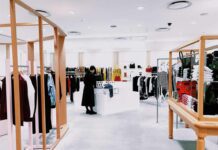
Independent retail shops excel at curating unique collections that reflect the owner’s expertise and passion. For example, a vintage clothing boutique might specialise in 1960s fashion because the owner is genuinely obsessed with that era, while a bespoke jewellery shop might offer custom designs and repairs that high-street chains simply can’t match.
Many self-sufficient retailers have embraced experiential commerce, hosting workshops, maker events, and pop-up collaborations that transform shopping from a transaction into an experience. You might learn pottery in the back room of an art supply shop, attend a wine tasting at an independent bottle shop, or get personalised styling advice from someone who genuinely cares about how you look and feel.
How to Tell if a Business is Independent or Not?
Spotting an independent business isn’t always immediately obvious, especially online. Here are the telltale signs to look for:
- Check their About Us – Self-sufficient businesses love telling their founder’s story, explaining their local roots, or sharing their mission beyond simply making money. You’ll often find personal photos, detailed background stories, and genuine passion for their chosen field.
- Look for Unique Products or Services – These operations often specialise in areas that large corporations consider too niche or unprofitable, resulting in genuinely distinctive offerings that you won’t find anywhere else.
- Pay Attention to Policies – This includes returns, customer service, and terms of business. Self-sustaining businesses often have more generous or transparent policies because they’re not constrained by corporate legal departments focused on limiting liability above all else.
- Read (Often Positive) Customer Reviews – Independent operators tend to attract comments about personalised service, owner interactions, and the general feeling of being valued as an individual rather than just another sale.
The Future of Independent Businesses
There’s no doubting the mounting pressures on small-scale businesses in today’s rapidly changing commercial landscape. Rising costs, reduced visibility, and increasing regulatory complexities are just some of the significant challenges that smaller operators are facing.
Yet, there are plenty of reasons for optimism. UK shoppers’ appetite for unique, local enterprises appears stronger than ever, driven by growing awareness of the environmental and social impacts of their purchasing decisions. This is particularly evident in the younger generation, as reported by The Sun, with 74% of those aged between 18 and 27 recently stating that they enjoy shopping at independent stores.
What’s more, the digital tools that once seemed to favour large corporations are becoming increasingly accessible. Social media marketing, e-commerce platforms, and digital payment systems have levelled the playing field in many respects, allowing small businesses to reach global audiences and operate with professional polish that once eluded them.
Of course, competition is still fierce, but the future certainly belongs to independent businesses that manage to successfully capture the personal touch and authenticity that customers crave.

Terry Clark is the Publisher and Content Director of 365 Retail, with more than a decade of experience covering retail design, technology innovations, store openings and the wider retail industry. He also works closely with leading retailers, suppliers, agencies, events and industry awards across the UK.