










A QR code on a shelf talker, window poster or till receipt looks like a small detail until the page behind it changes. A promotion ends, a product range moves to a new URL, or a website is rebuilt, and the printed code keeps sending shoppers to the old address. For a single store that is a nuisance. Across a chain, with thousands of printed items in circulation, it can mean a reprint or a steady stream of customers landing on an error page.
That problem explains why more retail marketing teams now ask a simple question before anything goes to print: can we change where this code points later?

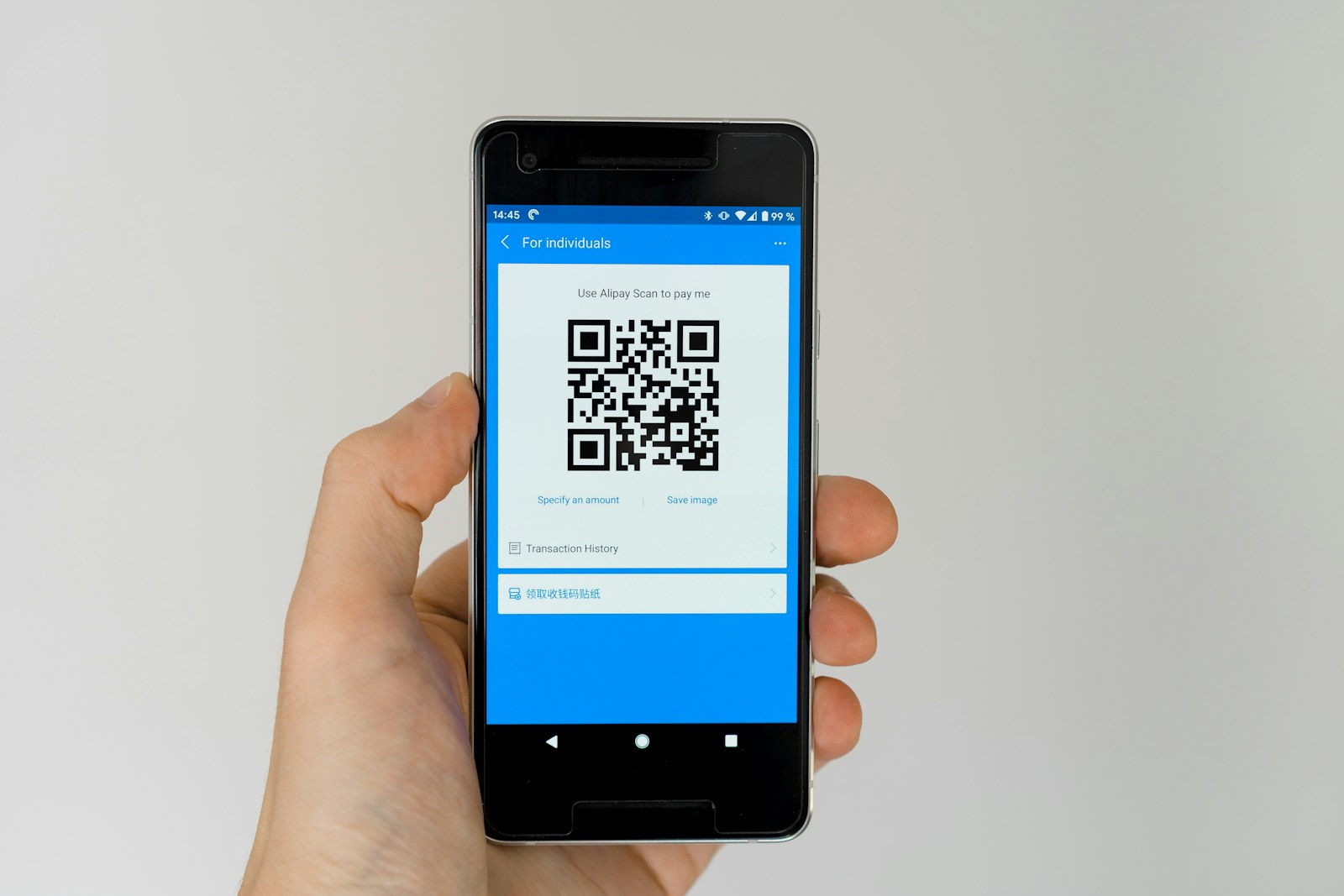
Static and Dynamic Codes Do Different Jobs
A static QR code stores its destination directly in the pattern. It works without any account behind it, which suits a permanent address that will never change. Once printed, though, the destination is fixed.
A dynamic code stores a short redirect address instead. The printed pattern stays the same while the destination can be edited at any time. Teams that use a dynamic QR code generator can move a code from a summer offer to an autumn one without touching the poster on the wall. The trade-off is that the code relies on the redirect service staying active, so it belongs on a maintained subscription with a named owner rather than on someone’s forgotten trial account.
Where Editable Codes Earn Their Keep in Stores
Seasonal point-of-sale material is the obvious use. Shelf-edge labels and counter cards are often printed in large runs and kept in use for months, while the offers they promote change far more often.
Packaging is another. Boxes and swing tags can sit in a stockroom or a customer’s home for years. A code that opens care instructions, a size guide or a returns page can be kept current long after the product has shipped.
Store windows and shopping bags also benefit, because they reach people outside trading hours. A code can open a booking page during an event and return to the store’s regular page once it ends.
Measuring What Used to Be Guesswork
Printed marketing has always been hard to measure. Because a dynamic code passes through a redirect, each scan can be counted, which gives a store team a rough view of when and where a piece of print is being used. Giving each location or display its own code makes comparisons more useful: a window poster can be judged against a till card, or one branch against another.
Those numbers need care. Scan counts show interest, not sales, and one person scanning twice can count as two scans. They are best read alongside footfall and till data rather than in place of them.
Fitting Into the Design Workflow
Much in-store material is now produced by small teams in browser-based design tools, so the code has to fit that process. QRCodeStack, for example, works with Canva, letting a designer add editable QR codes to Canva designs without leaving the layout they are working on. Whichever tool is used, the checks stay the same.
A Short Checklist Before Printing
- Test the printed proof on more than one phone, at the distance a shopper would actually stand.
- Keep strong contrast between the code and its background, and leave clear space around it.
- Tell people what they will get, because a short line such as “Scan for this week’s offers” gives them a reason to scan.
- Check that the destination page loads quickly and reads well on a phone.
- Record who owns each code and when its destination should next be reviewed.
None of this is complicated, but it does need deciding before the print order is placed. A code that can be changed later turns a fixed piece of print into something the team can keep working with for as long as it stays on display.

Terry Clark is the Publisher and Content Director of 365 Retail, with more than a decade of experience covering retail design, technology innovations, store openings and the wider retail industry. He also works closely with leading retailers, suppliers, agencies, events and industry awards across the UK.