











The way we use workplaces has changed considerably over the past few years. Hybrid working, shared desks, flexible office layouts and increasingly busy communal spaces mean that maintaining a clean commercial environment is no longer simply a matter of emptying the bins at the end of the day.
For employers, a well-maintained workplace can influence everything from first impressions to how comfortable employees feel using shared facilities. For facilities managers, meanwhile, the challenge is achieving a consistently high standard without cleaning becoming another daily operational headache.

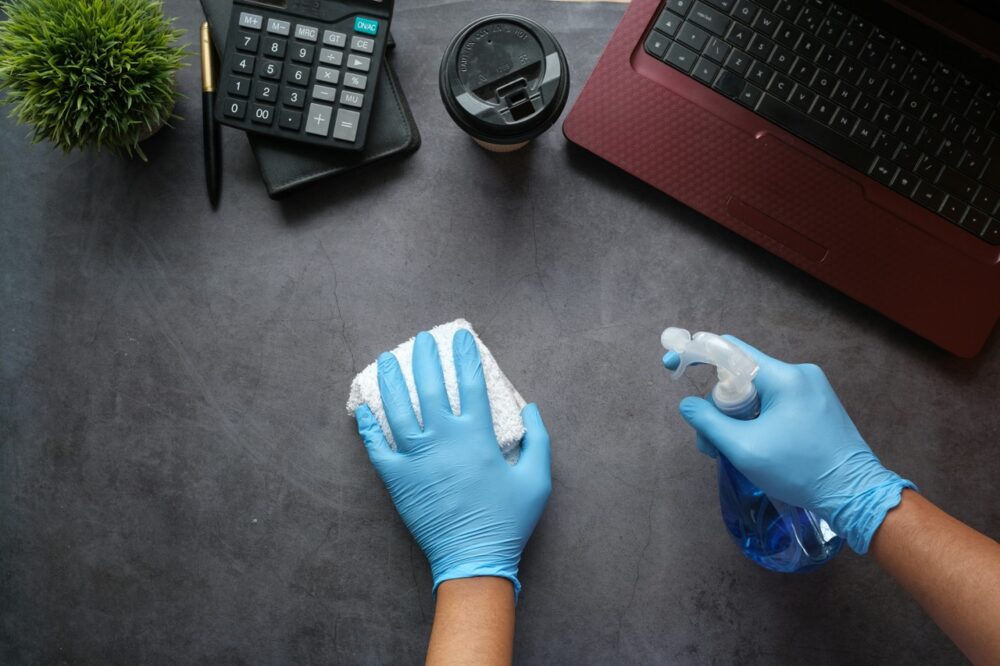
This is where a planned, professional approach can make a noticeable difference.
1. Consistency Is More Important Than Occasional Deep Cleaning
A deep clean can transform a workplace, but its impact quickly disappears if everyday cleaning isn’t maintained.
High-traffic areas naturally accumulate dirt faster than quieter parts of a building. Reception areas, kitchens, washrooms, corridors and shared workspaces therefore need regular attention rather than waiting until there is a visible problem.
Professional contract cleaning allows businesses to establish a cleaning programme around their actual requirements, whether that means daily visits, scheduled weekly work or a combination of routine and periodic cleaning.
The benefit is consistency. Instead of repeatedly reacting to problems, businesses can maintain an agreed standard throughout the year.
2. Modern Offices Have Different Cleaning Requirements
Open-plan offices and flexible working have changed what workplace cleaning looks like.
Hot desks, shared meeting rooms and communal breakout areas mean that the same spaces and surfaces may be used by many different people during a single day. Kitchens and coffee points can also become particularly busy as employees move around the workplace more frequently.
A good office cleaning programme should reflect these patterns rather than simply following a generic checklist.
Frequently touched surfaces, shared facilities and high-footfall areas can be prioritised, while less frequently used spaces can be incorporated into a wider cleaning schedule.
3. A Clean Workplace Supports a Professional Image
For customer-facing businesses, the condition of the workplace says something about the organisation before a conversation has even started.
Visitors notice entrances, reception areas, meeting rooms and washrooms. A clean, well-presented environment creates a much stronger first impression than one where maintenance appears to have been overlooked.
This matters particularly for offices regularly welcoming clients, candidates, suppliers or other external visitors.
It doesn’t require every workplace to look pristine at every moment of the day. What matters is creating an environment that feels cared for and professionally managed.
4. The Right Schedule Can Reduce Disruption
One concern businesses sometimes have about professional cleaning is disruption to employees.
In practice, careful scheduling should achieve the opposite.
Cleaning can often be arranged around operating hours, occupancy patterns and particularly busy periods. Tasks that would interrupt employees can be completed when offices are quieter, while essential areas can receive attention at appropriate points throughout the working week.
For larger premises, defining responsibilities in advance also means facilities teams know what is being cleaned, how frequently and by whom.
That makes cleaning easier to manage as an ongoing service rather than a series of individual jobs.
5. Regular Cleaning Can Help Protect the Workplace Itself
Floors, carpets, fixtures and communal facilities all experience wear over time, and allowing dirt to build up can make them harder to maintain.
Regular cleaning helps prevent smaller issues from becoming larger maintenance jobs. Carpets can be vacuumed before dirt becomes deeply embedded, hard floors can receive appropriate ongoing care and kitchen or washroom surfaces can be maintained before staining and build-up become difficult to remove.
For businesses occupying larger premises, the cumulative effect can be significant.
6. Cleaning Requirements Should Evolve With the Business
Workplaces rarely remain exactly the same.
Teams expand, layouts change, new facilities are introduced and working patterns evolve. A cleaning schedule designed for a lightly occupied office may no longer be suitable once more employees begin using the building regularly.
It is therefore worth reviewing cleaning requirements periodically.
The frequency of individual tasks can be adjusted, additional areas incorporated and priorities changed as the workplace develops. This helps ensure businesses are paying for the cleaning they actually need rather than continuing with a routine that no longer reflects how the premises are used.
A Better Approach to Everyday Workplace Cleaning
Professional cleaning is ultimately less about responding to visible mess and more about preventing it from becoming a problem in the first place.
A structured approach gives businesses greater consistency, makes busy workplaces easier to maintain and helps create an environment that employees and visitors are comfortable spending time in.
For modern workplaces, that reliability can be far more valuable than an occasional intensive clean. The best results usually come from understanding how a building is actually used and creating a cleaning programme that quietly works around it.

Terry Clark is the Publisher and Content Director of 365 Retail, with more than a decade of experience covering retail design, technology innovations, store openings and the wider retail industry. He also works closely with leading retailers, suppliers, agencies, events and industry awards across the UK.