









If you run a hotel, pub, restaurant or guesthouse, you’re already juggling a dozen costs at once. Staff rotas, stock orders, maintenance jobs, marketing spend. Energy tends to get filed away as just another bill that shows up each month, gets paid, and gets forgotten.
That’s the mistake. And it’s energy costing hospitality businesses more than most owners realise.
Unlike rent or payroll, energy costs aren’t fixed. They move depending on the fuel type you’re locked into, how reliable your supply actually is, and whether your setup was ever properly matched to how your business runs. For a property that’s got kitchens, laundry and hot water going almost non stop, even small mismatches add up fast over a year.
Here’s where the money quietly leaks out.
1. You’re on the wrong fuel for what you actually need
A lot of hospitality properties outside the main towns are still heating with oil or solid fuel simply because that’s what was fitted years ago, and nobody’s gone back to question it since.
Oil prices swing with global markets, and there’s nothing an operator can do about that. Solid fuel, meanwhile, often just isn’t built for the kind of constant, heavy demand a busy kitchen or a full house of hot water puts on it. Over twelve months, that gap between what you’re using and what your fuel setup is actually good at can eat into margins that should be going back into the business, not out the door.
2. A breakdown at the worst possible time
Nothing wrecks a hospitality business faster than the boiler giving out on a fully booked bank holiday weekend. Old systems paired with an unreliable fuel supply create exactly this kind of risk, and when it happens, guests notice immediately. Reviews follow. And the emergency callout bill always costs more than the maintenance you skipped would have.
3. Kitchens use more than most owners plan for
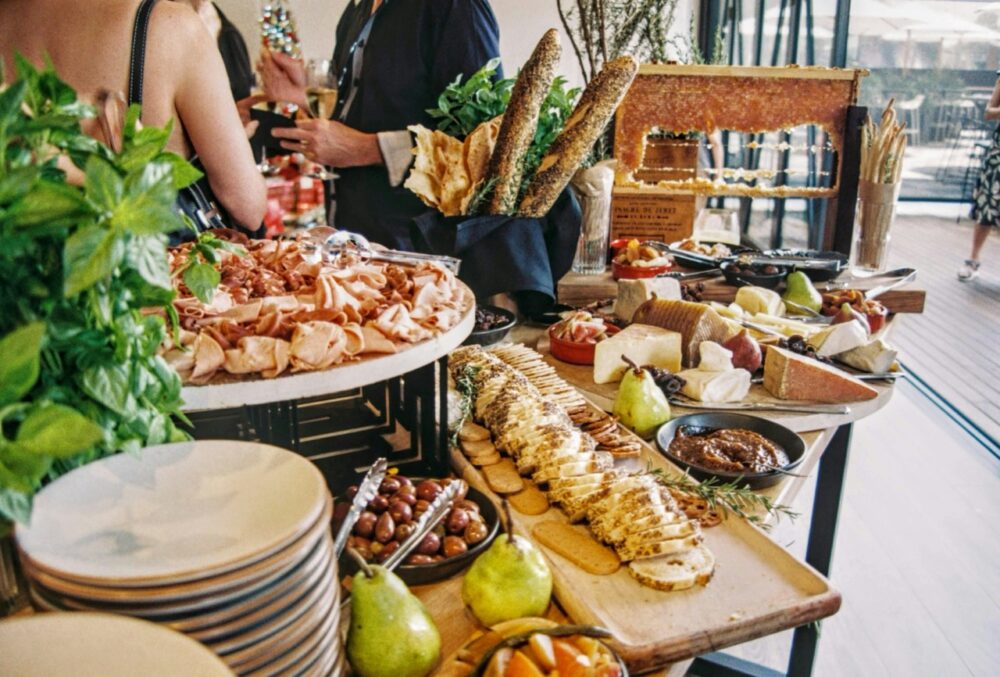
Commercial kitchens are some of the most energy hungry spaces in the whole business. Constant cooking, hot water for cleaning down, longer hours during busy seasons, it all stacks up. A lot of properties size their energy supply around an average week rather than a genuinely busy one, which means the gap shows up right when the place is slammed and there’s no room for it to go wrong.
4. Guests are starting to ask about it
More guests, especially corporate travellers and international visitors, are quietly checking a property’s environmental record before they book. A hospitality business still running on the highest emission fuel available has a harder story to tell than one that’s already made the switch to something cleaner.
What the fix looks like
The good part is none of this needs a full renovation. For most hospitality operators, it’s a supply switch, not a building project.
Calor Ireland works with hotels, restaurants and guesthouses across the country to move properties off oil, electricity or solid fuel and onto LPG systems sized properly for what a hospitality business actually demands, without the price swings of oil or the ceiling that older boilers hit.
If you want to go further on sustainability without ripping out your existing kit, Switch to LPG covers what that move looks like in practice, whether you’re currently on oil, electricity or solid fuel, from your first inquiry through to your first delivery.
None of this is about adding complications. It’s about closing a gap that’s probably been sitting there unnoticed for years.
The takeaway
Hospitality margins are already tight enough without your energy setup working against you instead of for you. A short look at your fuel type, your peak demand, and how reliable your supply really is often turns up savings that have nothing to do with cutting corners on service, and everything to do with matching what you’re paying for to how your business actually runs.

Terry Clark is the Publisher and Content Director of 365 Retail, with more than a decade of experience covering retail design, technology innovations, store openings and the wider retail industry. He also works closely with leading retailers, suppliers, agencies, events and industry awards across the UK.