











Retailers pouring budget into pay-per-click (PPC) campaigns can watch every click, every added basket, and every completed checkout in real time. The moment a shopper picks up the phone instead of finishing that journey online, all of that visibility disappears.
For anyone selling higher-value stock, from furniture and electricals to made-to-measure items, a phone call is often the final step before a sale, not a side channel. A shopper comparing prices across five browser tabs will still ring the shop to check whether a sofa comes in a specific colour, or whether three units of a particular model remain in stock. PPC platforms see none of this. The keyword that convinced someone to pick up the phone gets no credit for the sale it produced.
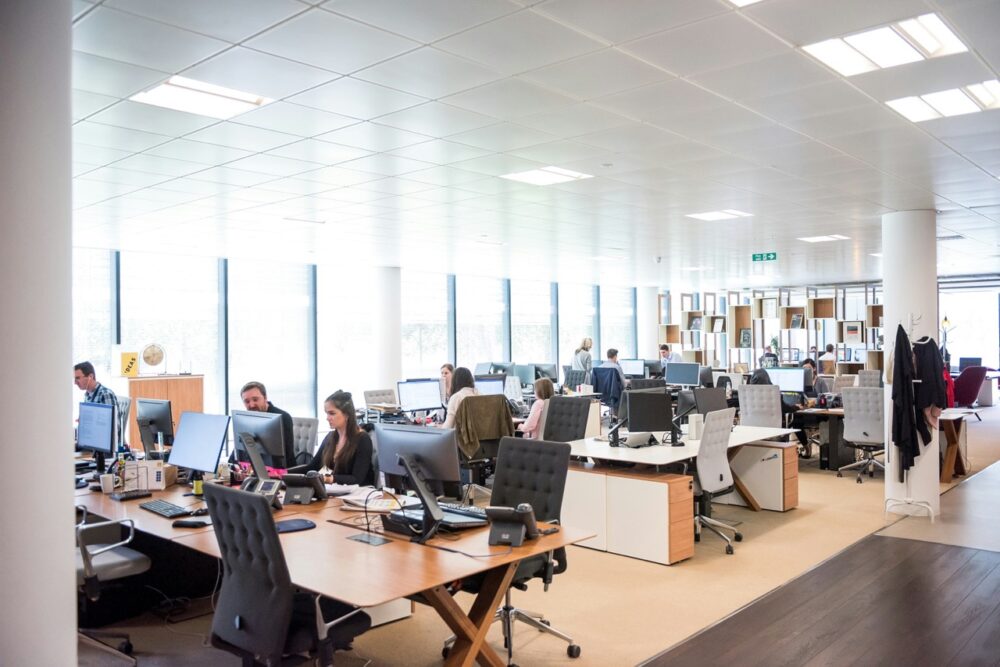
The phone call blind spot in retail marketing
This gap matters more in retail than almost any other sector. Footfall has thinned, online comparison shopping has become the norm, and the phone has become the bridge between the two. A shopper researches online, narrows down their options, then calls to settle the details a product page cannot answer. Stock availability, sizing, delivery timescales, and whether an item can be reserved for collection.
Without a way to trace that call back to its source, retailers end up making budget decisions on partial evidence. A campaign can look mediocre against a dashboard built entirely from online conversions, while quietly generating a steady stream of enquiries that convert in store or over the phone.
Marketing managers reporting up to a business owner feel this most acutely at busy trading periods, when phone volume spikes alongside online traffic. A seasonal campaign might look underwhelming next to a rival channel on click-through rate alone, while it is actually the campaign quietly filling the phones with buyers ready to commit. Without visibility into that pattern, the wrong channel gets the credit and the wrong campaign gets cut.
Matching every enquiry back to the click that started it
This is where call tracking software UK retailers increasingly rely on to earn its place in the marketing stack. Rather than assigning a single number to a whole campaign or channel, the software assigns a dynamic number to each individual visitor who lands on a website.
When that visitor later picks up the phone, the software already knows which search term, advert, or product page brought them there. A phone call that would otherwise sit outside any reporting becomes a fully attributed conversion, tied precisely to the activity that triggered it. A call from a shopper stops being a mystery and starts sitting alongside every online sale already being measured.
What keyword level attribution means for retail spend
Once a call is linked to the exact keyword or product page behind it, PPC data becomes genuinely useful for budget decisions. A retailer can see which search terms produce calls that lead to sales, rather than clicks that go nowhere once someone leaves the site.
Budget can shift away from keywords that generate plenty of cheap clicks but few worthwhile calls, and towards the terms that consistently deliver enquiries worth answering. Cost per enquiry improves the moment phone conversions are added to the picture. A campaign that looks expensive on click cost alone might be generating calls of far higher value than any online sale, while a cheaper-looking campaign might be driving calls that go nowhere.
Return on investment tells a similar story. Attributing sales generated by phone back to specific campaigns often reveals that phone-driven revenue outweighs online sales for certain search terms altogether. Broad match terms that look wasteful when judged purely on clicks sometimes turn out to be generating the calls that convert at the highest value once phone data enters the equation.
What the conversation itself can tell you
Attribution explains where a call came from. Speech Analytics goes further, using conversational AI and natural language processing to transcribe and analyse the phone call conversation itself, revealing what was actually said once the shopper was on the line.
The resulting transcript surfaces the questions that come up time and time again. Are callers asking about delivery dates, click and collect, or whether an item is still in stock? Retailers can see these patterns and adjust product pages and ad copy to answer the question before the phone even rings.
Classifying call outcomes adds another layer, separating a genuine new enquiry from an existing customer chasing an order, and excluding anything that should not count towards performance data. Feeding these outcomes back into a platform such as Google Ads lets retailers build audiences and adjust bidding around the calls that genuinely led to a sale, rather than treating every call as equally valuable.
Making every retail enquiry count
None of this data changes anything unless it changes decisions. Once calls are attributed to campaigns and conversations are properly reviewed, budget allocation becomes a matter of evidence rather than guesswork.
Retailers can defend spend on campaigns generating valuable phone enquiries, even when cost-per-click looks less competitive than other channels. They can also cut spend on campaigns generating cheap clicks but poor calls, freeing budget for the activity that actually drives sales.
A PPC campaign without call tracking behind it is only ever measuring part of the picture. Adding that visibility turns every phone enquiry from an invisible cost into one of the clearest signals a retailer has for where budget should go next.

Terry Clark is the Publisher and Content Director of 365 Retail, with more than a decade of experience covering retail design, technology innovations, store openings and the wider retail industry. He also works closely with leading retailers, suppliers, agencies, events and industry awards across the UK.