







European cruise travel has quietly become one of the biggest drivers of short-stay tourism in coastal cities, especially around the Mediterranean. Unlike a normal holiday, where someone might settle into a destination for a week or two, cruise tourism brings huge numbers of people ashore for just a few hours at a time. That pattern has a real knock-on effect on how shops and retail areas in port cities are run.
You can see this clearly with itineraries that include cruises to Barcelona, where thousands of passengers step off the ship within a tight window and spend their day taking in both the sights and the shops. That steady wave of visitors has nudged Barcelona into shaping its retail spaces around cruise-based tourism specifically.
Cruise tourism as a retail catalyst
What makes cruise tourism different is its intensity and, oddly enough, its predictability. Ships arrive on fixed schedules, often dropping thousands of people into a city at once. With only a few hours ashore, passengers don’t have much room to dawdle.
That creates a particular kind of shopping behaviour. Rather than leisurely browsing, cruise passengers go for whatever’s convenient, easy to find, and ready to buy there and then.
They’re far more likely to pop into shops near the port that are simple to navigate and used by international visitors.
Because of this, retail areas in cruise cities often see sudden surges in footfall that line up with when ships dock and depart, particularly noticeable in the Mediterranean during peak season.
Shops adapt accordingly. Items that are easy to carry, things like accessories, local crafts, designer goods, and souvenirs, tend to do well. Multilingual staff, straightforward payment options, and clearly marked prices become genuinely useful features rather than nice extras.
The structure of cruise-driven shopping behaviour
The biggest factor shaping all of this is time. Where a typical city break might stretch over days, cruise passengers are usually working with just a handful of hours before they need to be back on board.
That tight window leads to structured shopping habits. People plan carefully, weaving sightseeing and shopping into the same outing, so retail activity tends to cluster around tourist routes, landmarks, and transport links.
Shops near major attractions or within walking distance of the terminal tend to do best. In a sense, they become part of the cruise experience itself, offering a tidy selection of options that fit a short visit.
Barcelona as a leading retail tourism destination
Barcelona is one of the best examples of how cruise tourism can reshape a city’s retail landscape. It’s a major Mediterranean cruise hub, and its port sits close enough to the centre that getting to the main shopping streets isn’t a hassle.
Cruises to Barcelona usually give passengers the chance to take in culture and shopping in the same day, and that mix of accessibility and variety is a big part of why the city works so well for this kind of tourism.
One standout area is Passeig de Gràcia, known for its high-end fashion houses and luxury boutiques, drawing in those after a premium experience as well as anyone keen to wander one of the city’s most striking streets.
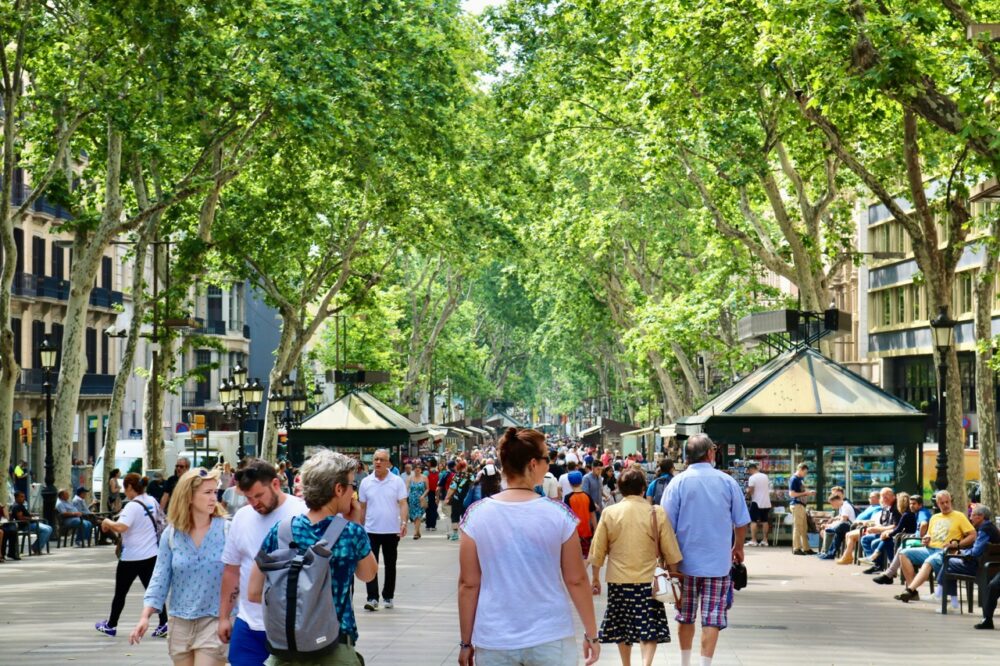
A short walk away, La Rambla and the surrounding old streets offer something different: local shops, markets, and small independent retailers, often appealing to visitors after souvenirs or something locally made.
Being able to move between these contrasting areas without much travel is a big part of why Barcelona performs so well as a cruise stop, giving visitors real variety without losing half their day getting between places.
The impact on local retail strategies
All of this has pushed many cities to rethink their approach to retail. Businesses in busy cruise areas often shape their operations specifically around short-stay visitors.
That might mean longer opening hours during cruise season, quicker service models, or product ranges put together with tourists in mind. In some cases, whole retail districts end up following the rhythm of the cruise calendar.
There’s also a practical upside: cruise schedules are published well in advance, unlike other forms of tourism where footfall can be far less predictable. That gives businesses a real chance to plan staffing, stock, and promotions around known dates.
How cruise passengers influence spending patterns
Cruise passengers often spend differently to other tourists. Since accommodation, food, and transport are usually already covered by their cruise package, many have more money left over once they’re ashore.
That tends to translate into higher-value or more experience-focused purchases, particularly in cities with strong shopping scenes. Designer goods, branded fashion, and locally made items often do well, alongside the odd smaller impulse buy.
Even so, time still calls the shots. Visitors generally favour efficiency, so retail areas that are easy to get around and close to the main sights tend to come out on top.
The wider economic impact on cruise cities
The effects of cruise tourism reach well beyond individual shops or streets. Entire local economies can feel the benefit of a steady stream of short-stay visitors, particularly during busier months.
Port authorities, local councils, and tourism bodies often work together to manage the flow of people, whether that’s transport links between port and centre, walkable routes, or clear signage towards the main shopping areas.
Cities that get this balance right tend to see the benefits spread more evenly, with spending reaching both high-end retailers and smaller local businesses alike.
The evolution of retail tourism in Europe
As cruise tourism keeps growing, European cities are increasingly shaping their retail planning around this particular kind of visitor. It’s becoming less of an afterthought and more a core part of how tourism is planned.
This isn’t just happening in the big cities, either. Smaller ports are developing their own retail approaches for cruise passengers, recognising that even short visits can add up to meaningful spending.
The upshot is a closer relationship between travel and retail, where shopping isn’t just something to do on the side but a genuine part of the overall trip.
A changing relationship between travel and retail
European cruise stops are quietly reshaping how retail works in coastal cities. The mix of large numbers of short-stay visitors and predictable scheduling creates a retail dynamic that looks quite different from traditional tourism.
Barcelona shows just how well this can work. With solid infrastructure, an accessible layout, and a real mix of shopping areas, it stands out as one of the clearest examples of cruise tourism shaping retail.
As more itineraries, including cruises to Barcelona, continue to grow in popularity, the bond between cruising and retail looks set to deepen further, influencing how cities design their shopping experiences for years to come.