





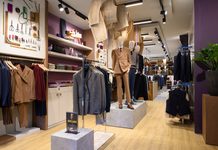

If you’re an independent retailer, you might be considering a winter pop-up in time for the Christmas season. This can be a great way to attract more attention to your business, but it can be tricky.
If you’re ready to plan your winter pop-up but don’t know where to start, keep reading this short guide.


Choosing the right location and timing
The success of a winter pop-up depends on where you choose to set up. Look for areas with strong seasonal footfall, such as Christmas markets, busy high streets or shopping districts that attract gift-seekers and weekend leisure shoppers.
Timing influences revenue just as much as location. Many independent retailers launch in late November or early December, ensuring they are open during peak festive buying. Others extend their pop-up through early January to capture post-holiday shopping.
Designing the space, atmosphere, and experience
A winter pop-up should feel atmospheric from the moment shoppers step inside. Lighting plays a crucial role, with warm tones, fairy lights or soft spotlights helping to create a festive mood. Seasonal décor such as winter foliage, snow-effect textures or wooden accents can enhance that sense of immersion.
Your layout should guide visitors naturally, encouraging them to browse, discover and interact. Clear signage, well-defined product zones and a smooth route from entrance to checkout help maintain flow even during busy periods.
To ensure your displays and digital signage run reliably in colder conditions, it’s important to have dependable infrastructure. This may include securing robust DC power supplies for lighting, interactive screens and any technology that supports your merchandising.
Stock, promotions, and seasonal offerings
Planning your stock for a winter pop-up requires balancing exclusivity and practicality. Limited-edition products, festive gift bundles and small impulse-purchase items are ideal for seasonal footfall. Many retailers build urgency through time-limited offers, exclusive colours or products only available at the pop-up.
Inventory management is also essential. Ensure you have enough stock for peak days, but introduce clearance pricing during the final trading period. A well-judged combination of scarcity and strong merchandising often drives both early demand and last-minute sales.
Marketing, staffing, and measuring success
Marketing should start weeks before opening. Use social media to tease behind-the-scenes setup and collaborate with influencers whose audiences match your brand.
Staffing needs to be flexible, especially during December. Temporary team members should be trained quickly but thoroughly so they understand your products and atmosphere.
Finally, gather data throughout the pop-up. Track footfall, analyse sales patterns and collect customer feedback to evaluate performance and inform future pop-ups.

Terry Clark is the Publisher and Content Director of 365 Retail, with more than a decade of experience covering retail design, technology innovations, store openings and the wider retail industry. He also works closely with leading retailers, suppliers, agencies, events and industry awards across the UK.