








The rise of robotics has steadily progressed, and in recent years, robots have become more integrated into everyday life. From household chores to office tasks, robots are enhancing productivity, convenience, and efficiency in ways previously seen only in science fiction. As technology evolves, more robots are designed to assist with both manual and intellectual work, playing an integral role in transforming how we live and work. The development of these robots is reshaping industries, including the iGaming sector, where innovations are seen on platforms like https://FIRST.com/casino/new, offering smoother user experiences powered by advanced technologies. This article explores how robots are being used in homes and offices and the impact they are having on our daily lives.
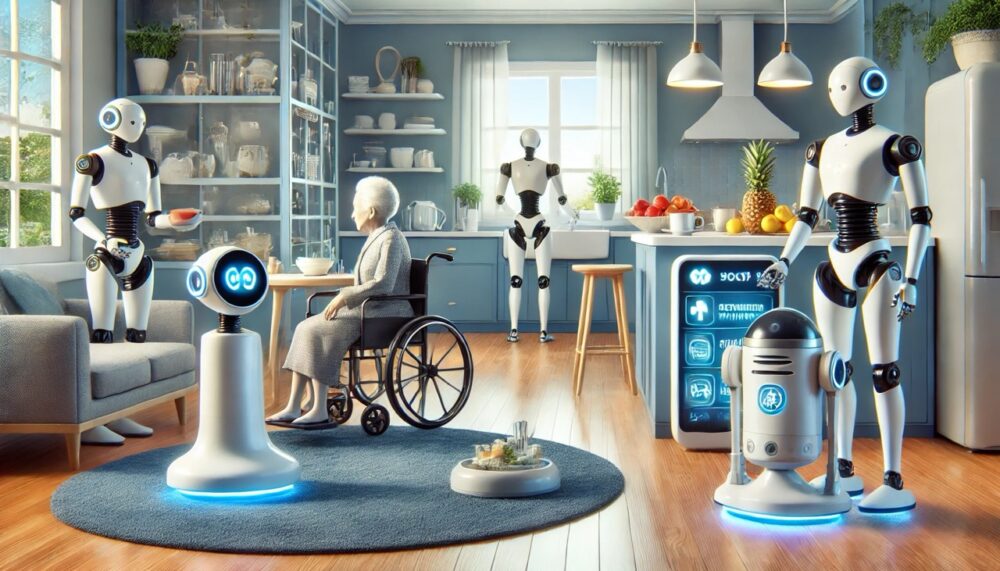
Robots at Home: Making Daily Tasks Easier

Robots are becoming a staple in modern homes, helping with everything from cleaning to security. Home robots not only save time but also help individuals with disabilities or those who struggle to perform certain tasks due to age or health issues. As robots become more affordable and accessible, their functions are expanding beyond basic chores, offering a level of convenience that was previously unattainable.
Some examples of home robots include:
- Robotic vacuums: Devices like the Roomba can autonomously clean floors, navigating around furniture and obstacles while requiring minimal human interaction. These robots have made cleaning less time-consuming and more efficient.
- Smart assistants: Robots like Amazon Alexa and Google Home are becoming household staples, helping with everything from controlling home automation systems to answering questions and playing music. These AI-powered assistants can also integrate with other smart devices to create a fully connected home.
- Robotic lawn mowers: Similar to vacuums, robotic lawn mowers autonomously mow lawns, saving homeowners the hassle of maintaining their yards manually.
These robots are transforming the way we approach daily household tasks, making them more manageable and giving us more time to focus on other important activities.
Robots in the Office: Streamlining Work and Increasing Efficiency
Robots are also making significant strides in the workplace. Automation tools and robotics are not only increasing efficiency but also redefining job roles and responsibilities. Many repetitive, time-consuming tasks are now handled by robots, freeing up employees to focus on more creative or strategic work. From warehouses to office environments, robots are driving a new era of productivity.
Types of robots being used in office settings:
- Robotic process automation (RPA): RPA bots are used to automate administrative tasks such as data entry, invoice processing, and scheduling. These robots can perform repetitive tasks with precision, reducing errors and speeding up processes.
- Collaborative robots (cobots): In manufacturing or office environments, cobots work alongside humans to perform tasks like assembly, packaging, or product testing. They are designed to assist employees rather than replace them, enhancing human productivity.
- AI-powered chatbots: Used in customer service departments, chatbots can handle routine inquiries, process orders, and provide real-time support. This not only improves customer satisfaction but also reduces the workload of human employees.
Incorporating robots into the workplace is helping companies increase operational efficiency, reduce costs, and improve employee satisfaction by allowing them to focus on more meaningful tasks.
The Benefits of Robots in Everyday Life
The use of robots in both home and office environments brings several advantages. Beyond reducing the time spent on mundane tasks, robots can improve overall quality of life and contribute to better productivity. They can also play a key role in enhancing safety, reducing human error, and providing services in areas where human labor is scarce or unavailable.
Some notable benefits of incorporating robots into everyday life:
- Time-saving: Robots handle time-consuming tasks efficiently, allowing individuals and businesses to allocate more time to other priorities.
- Increased precision: Robots are designed to perform tasks with high accuracy, reducing the likelihood of human error, particularly in complex or delicate jobs.
- Assistance for elderly and disabled individuals: Robots can assist those who may struggle with physical tasks, such as lifting, walking, or cleaning, offering them more independence.
- Enhanced safety: In environments like construction sites or hazardous workplaces, robots can perform dangerous tasks, reducing the risk of injury for human workers.
By improving efficiency, safety, and accessibility, robots are fundamentally reshaping the way we live and work.
The Challenges of Integrating Robots Into Everyday Life
While the advantages of robots are clear, there are challenges to overcome before they can be fully integrated into everyday life. These challenges include the cost of technology, privacy concerns, and the fear of job displacement. In addition, the complexity of programming robots to handle more sophisticated tasks requires ongoing research and development.
Key challenges to robot integration:
- Cost: While the price of consumer robots has decreased, advanced robotics and AI systems remain expensive, which can limit their accessibility for some people or businesses.
- Privacy and security: As robots become more integrated into homes and offices, they may collect sensitive data, raising concerns about privacy and potential misuse of personal information.
- Job displacement: The automation of jobs through robots, particularly in manual or administrative sectors, has raised concerns about job loss. It’s crucial to balance automation with job creation in other areas of technology and services.
Despite these challenges, the continued development of robots will likely result in innovative solutions to mitigate these issues, making robots an essential part of our daily lives in the future.
The Future of Robots in Everyday Life
Looking ahead, the role of robots in our lives is only expected to expand. With advancements in AI, machine learning, and robotics, robots will become more capable, versatile, and integrated into our daily routines. Future robots will likely be even more autonomous, with enhanced capabilities for problem-solving, creativity, and human interaction.
Future trends in robotics and automation:
- Greater AI integration: Robots will become more intelligent, able to make decisions, adapt to changing environments, and even anticipate needs based on user behavior.
- More personalized robots: As technology improves, robots will be able to offer highly personalized experiences, from home assistants that adapt to individual preferences to office robots that cater to specific business needs.
- Collaborative robots: Cobots will play an even larger role in industries like healthcare, retail, and manufacturing, working alongside humans to increase productivity and improve service delivery.
As robotics technology advances, the possibilities for robots in everyday life are endless. These innovations will shape the future of both personal and professional spaces, enhancing efficiency and improving quality of life.
Looking Ahead: Embracing the Future of Robotics
As robots continue to become a larger part of everyday life, their potential to revolutionize both home and office environments is clear. While challenges such as cost, privacy, and job displacement remain, the benefits of robotics in improving productivity, safety, and quality of life far outweigh these concerns. With continued research and development, robots will continue to transform the way we live, work, and interact with the world around us. The future of robots in everyday life promises to be a fascinating one, filled with new opportunities for innovation and growth.

Terry Clark is the Publisher and Content Director of 365 Retail, with more than a decade of experience covering retail design, technology innovations, store openings and the wider retail industry. He also works closely with leading retailers, suppliers, agencies, events and industry awards across the UK.