







Electrical safety is something many London residents take for granted. We flick switches, plug in devices, and operate appliances daily without considering the complex systems behind these conveniences. Yet beneath the surface, electrical installations deteriorate, faults develop, and risks accumulate. Ignoring routine safety measures does not prevent problems—it merely conceals them until consequences become unavoidable. Understanding these hidden risks helps property owners make informed decisions about protecting their homes and families.
The Invisible Nature of Electrical Deterioration
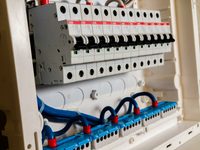
Unlike structural damage or plumbing leaks, electrical problems often develop unseen. Cables run within walls, under floors, and above ceilings. Connections sit inside consumer units and junction boxes. This concealed infrastructure means that deterioration, loose terminals, or insulation damage can progress for years without obvious external signs.

Heat, vibration, and the natural ageing of materials cause gradual degradation. Copper conductors expand and contract with current flow, loosening terminal screws over time. Cable insulation becomes brittle, particularly in older installations using rubber or early PVC compounds. Environmental factors such as humidity, rodent activity, or building settlement contribute to hidden damage. By the time visible symptoms appear—discoloured sockets, flickering lights, or burning smells—significant deterioration may already exist.
Fire Hazards Lurking in Walls
Electrical faults constitute a leading cause of domestic fires in London and across the UK. The London Fire Brigade responds to hundreds of electrical fires annually, many originating from preventable causes. Overloaded circuits generate excessive heat at connection points. Loose terminals create arcing that ignites surrounding materials. Damaged cables contact conductive surfaces, causing short circuits that generate intense localised heating.
These fire risks develop slowly. A slightly loose connection might operate for months or years, heating intermittently during high-demand periods. Eventually, heat damage progresses to the point where ignition becomes likely. Smoke alarms provide essential warning, but prevention through identifying faults before they reach critical stages offers superior protection. The tragedy of electrical fires is that they often destroy homes and claim lives through entirely preventable causes.
Electric Shock Risks in Daily Life
Modern electrical systems incorporate multiple protective measures—earthing, circuit breakers, residual current devices—designed to prevent shock injuries. However, these protections only function when installations remain in good condition. Damaged earth connections leave metal appliance casings potentially live. Faulty circuit breakers may fail to trip during overload conditions. Outdated fuse boards lack the sensitive protection provided by modern residual current devices.
Children and elderly residents face heightened vulnerability to electric shock. Young children explore their environment indiscriminately, inserting fingers or objects into accessible outlets. Older adults may have reduced mobility or sensation, limiting their ability to respond quickly if contact occurs. Ensuring that electrical installations provide maximum protection for all household members requires regular verification that safety systems remain effective.
The Consequences of Outdated Installations
London’s housing stock includes vast numbers of properties with electrical systems installed decades ago. These legacy installations were designed for fundamentally different usage patterns. A 1960s installation anticipated perhaps six circuits for an entire house. Modern homes require capacity for numerous kitchen appliances, entertainment systems, computing equipment, and charging infrastructure.
Attempting to meet contemporary demands through outdated infrastructure creates strain. Circuits operate near or beyond their intended capacity. Original wiring, never designed for such loads, deteriorates faster under stress. Fuse boards with limited circuit capacity encourage dangerous practices such as excessive reliance on extension leads and adaptors. The mismatch between old infrastructure and modern requirements represents a widespread but frequently unrecognised risk.
Legal and Insurance Implications
Electrical safety responsibilities extend beyond personal protection. Landlords, in particular, have specific legal obligations regarding electrical installations in rental properties. Residential properties must adhere to established electrical safety standards and compliance requirements. Failure to maintain safe systems can lead to enforcement actions, hefty fines, and even the invalidation of insurance coverage. Even owner-occupiers may face disputes with insurance claims following electrical incidents if maintenance records indicate neglect.
Insurance providers increasingly inquire about electrical safety verification when assessing risk or processing claims. Properties without recent professional assessment may face higher premiums or policy exclusions. The financial consequences of electrical incidents extend far beyond repair costs, potentially encompassing alternative accommodation, liability claims, and long-term premium increases.
Professional Assessment and Testing
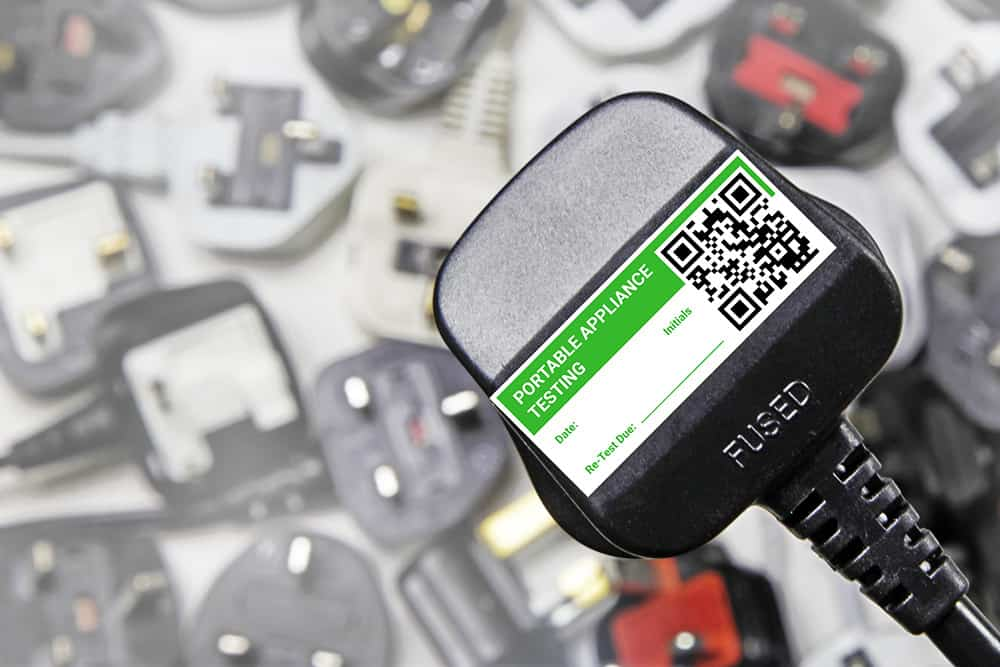
Image Source: Yandex.com
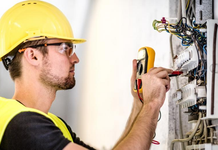
Comprehensive electrical safety verification requires expertise and appropriate equipment. Visual inspection identifies obvious defects, but many dangerous conditions remain hidden without testing. Continuity of earthing, insulation resistance, and polarity verification require specialist instruments and trained interpretation. Fault loop impedance testing confirms that protective devices will operate correctly during fault conditions.
Portable appliance testing extends safety verification to the equipment connected to fixed installations. Kettles, toasters, vacuum cleaners, and other movable devices suffer cable damage, internal deterioration, and wear through daily use. Regular examination and testing of these appliances identifies developing faults before they cause injury or fire.
For thorough verification of your portable electrical equipment, engaging a professional PAT Testing Service London ensures that qualified technicians examine each item systematically, applying appropriate tests based on equipment type and usage environment. This specialist assessment provides documentation of safety status and identifies items requiring repair or replacement before they become hazardous.
Recognising Warning Signs
While hidden risks predominate, attentive residents can identify indicators requiring professional attention. Circuit breakers or fuses that trip repeatedly suggest underlying problems, not merely inconvenience. Sockets or switches that feel warm, emit buzzing sounds, or show discolouration indicate dangerous heating. Persistent burning smells, even faint or intermittent, demand immediate investigation. Lights that flicker or dim unexpectedly may signal connection problems or circuit overload.
Any of these symptoms warrants prompt professional assessment. Dismissing them as minor annoyances or attempting DIY repairs risks escalating minor faults into serious hazards. Qualified electricians possess the training, equipment, and experience to investigate safely and implement appropriate remedies.
Creating a Culture of Electrical Safety
Effective electrical safety requires ongoing attention rather than one-off interventions. Developing habits such as unplugging unused appliances, avoiding trailing cables under carpets, and reporting suspected faults promptly reduces risks significantly. Ensuring that everyone in your household understands basic electrical safety principles creates multiple lines of defence against accidents.
For London residents, awareness of the specific challenges posed by older housing stock helps prioritise safety investments. Whether you occupy a period conversion in Kensington, a post-war ex-council property in Tower Hamlets, or a new-build apartment in Canary Wharf, your electrical installation requires appropriate maintenance and periodic professional verification.
The Value of Prevention
The costs of routine electrical safety measures pale beside the potential consequences of neglect. Professional assessment represents a modest investment compared to fire damage, injury treatment, or legal liability. Regular verification provides peace of mind, demonstrating that you have taken reasonable steps to protect your household and property.
Electrical safety is not merely a regulatory requirement or insurance condition — it represents fundamental protection for what matters most. The hidden risks of neglected electrical systems become visible only when damage occurs. Proactive measures ensure these risks remain theoretical rather than experienced. Growing industry concerns, including calls for urgent action needed to secure a skilled electrical workforce for future growth, further emphasise the importance of maintaining high professional standards across the sector.
Addressing electrical safety in London’s diverse housing stock demands expertise that bridges historic building conservation and modern protective standards. While warning signs help identify urgent issues, only systematic professional assessment reveals the concealed deterioration that poses the greatest threats. Investing in qualified verification protects not just your property value, but the wellbeing of everyone who depends on your electrical installation daily.

Terry Clark is the Publisher and Content Director of 365 Retail, with more than a decade of experience covering retail design, technology innovations, store openings and the wider retail industry. He also works closely with leading retailers, suppliers, agencies, events and industry awards across the UK.