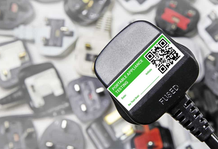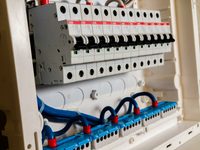








Electrical safety in the home is something every property owner in London should take seriously. With many homes in the capital dating back decades or even centuries, understanding the risks associated with outdated or faulty electrical systems is essential for protecting your family and property. This article explores the most common electrical hazards found in London homes and provides practical guidance on how to address them.
Outdated Wiring Systems
Many properties across London, particularly Victorian and Edwardian terraces, still contain original wiring that was never designed to handle modern electrical demands. Old rubber or fabric-insulated cables deteriorate over time, becoming brittle and exposing live conductors. This deterioration creates significant fire risks and shock hazards that can remain hidden within walls until serious problems occur.

Homeowners should be alert to warning signs such as frequently blown fuses, discoloured sockets, or a persistent burning smell. If your property has not had its wiring assessed within the last ten years, arranging a professional evaluation is a sensible precaution. Modern wiring standards have evolved considerably, and bringing your installation up to current regulations ensures safer daily operation.
Overloaded Circuits and Extension Leads
The way we use electricity has changed dramatically over the past twenty years. Kitchens now accommodate multiple high-power appliances, living rooms contain entertainment systems with numerous components, and home offices require constant power for computers and equipment. Many London homes, however, still rely on electrical systems installed when demand was far lower.
Overloading circuits by connecting too many devices to single outlets creates excessive heat buildup. Extension leads and adaptors compound this problem when used permanently rather than as temporary solutions. The safest approach involves having additional circuits installed where needed, ensuring each area of your home has adequate capacity for its intended use.
Faulty or Damaged Electrical Accessories
Sockets, switches, and light fittings endure constant use and can develop faults over time. Cracked faceplates, loose connections, or accessories that feel warm during operation all indicate potential problems. In older London properties, original accessories may lack the safety features built into modern equivalents, such as shuttered sockets that prevent children from inserting objects.
Regular visual inspections help identify issues before they escalate. Any accessory showing signs of damage, including scorch marks or unusual sounds, should be replaced promptly by a qualified professional. Attempting DIY repairs on electrical installations carries significant risks and may invalidate your home insurance.
Water and Electricity Proximity
Bathrooms, kitchens, and outdoor areas present particular electrical hazards due to the presence of water. London’s climate, with frequent rainfall and humidity, increases these risks for external installations and garden features. Electrical equipment must maintain appropriate distances from water sources, and all bathroom electrics require specific safety measures including proper zone classifications.
Portable electrical devices should never be used near filled baths or sinks. Outdoor lighting and power supplies must be properly rated for external use, with adequate protection against moisture ingress. After any flooding or significant water damage, professional assessment of affected electrical systems is essential before restoration of power.
Inadequate Earthing and Bonding
Proper earthing provides a safe path for electrical current to dissipate during fault conditions. In many older London properties, earthing arrangements may be insufficient or absent entirely, particularly where original gas or water pipework has been replaced with modern materials that do not conduct electricity. This leaves occupants vulnerable to electric shock if appliances develop faults.
Supplementary bonding in bathrooms and other high-risk areas ensures all metallic surfaces remain at the same electrical potential, preventing dangerous voltage differences. A qualified electrician can verify that your property’s earthing and bonding arrangements meet current standards and provide effective protection.
Lack of Regular Safety Verification
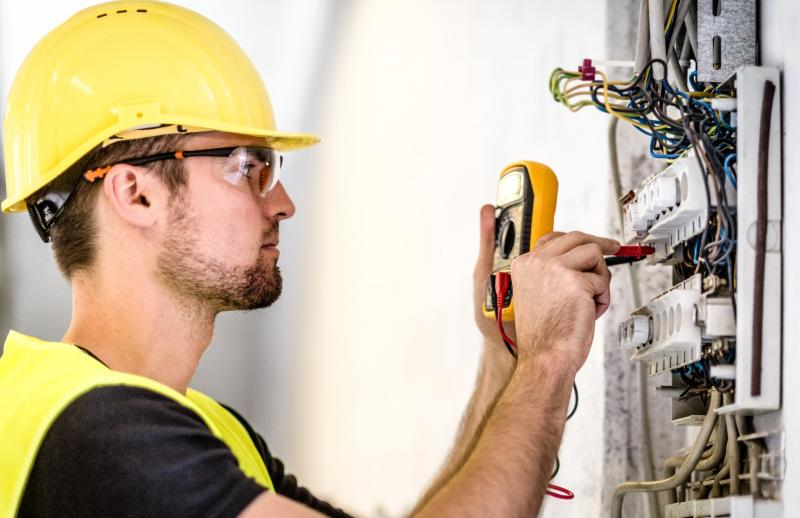
Image Source: Yandex.com
Electrical installations deteriorate with age and use. Connections loosen, insulation degrades, and environmental factors affect performance. Without periodic testing, developing problems may go unnoticed until they cause injury or fire. The Health and Safety Executive provides comprehensive guidance on electrical safety requirements and best practices for residential properties.
For complete peace of mind regarding your home’s electrical safety, obtaining an EICR Certificate London represents thorough verification that your installation has been examined by a competent person against national safety standards. This assessment identifies any defects or deterioration requiring attention, categorising issues by severity and recommending appropriate remedial actions.
Protecting Your London Home
Electrical safety requires ongoing attention rather than one-off interventions. Develop sensible habits such as unplugging appliances when not in use, never ignoring burning smells or unusual sounds, and keeping electrical equipment away from damp conditions. Ensure that any electrical work undertaken in your property is completed by registered professionals who provide appropriate certification. Recent workplace safety initiatives — including coronavirus response efforts led by the Health and Safety Executive working with South Antrim businesses to protect staff — highlight how consistent safety management remains essential across both commercial and residential environments.
For London homeowners, understanding the specific challenges posed by older housing stock helps prioritise safety improvements. Whether you own a period property in Islington, a mid-century flat in Croydon, or a modern townhouse in Greenwich, regular professional assessment and prompt attention to warning signs protect what matters most.
Electrical safety in London’s diverse housing stock demands specialist knowledge of both modern standards and historic construction methods. While regular visual checks help, the complexity of older installations means professional assessment remains the most reliable safeguard. If you’re uncertain about your property’s electrical condition, consulting a qualified electrician provides clarity and ensures any necessary improvements meet current safety requirements.

Terry Clark is the Publisher and Content Director of 365 Retail, with more than a decade of experience covering retail design, technology innovations, store openings and the wider retail industry. He also works closely with leading retailers, suppliers, agencies, events and industry awards across the UK.