

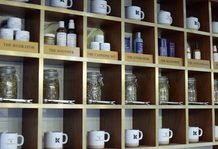





There was a time when buying something for health and wellness meant grabbing whatever sat on the middle shelf of the local chemist, tossing it into a plastic basket next to a big bottle of saline solution and a pair of shampoo and conditioner, paying at the till, and getting on with your day without overthinking the ethics of the supply chain. You trusted that the contents were decent, or the product wouldn’t be available on the shelves at all.
Now, standing in a supermarket aisle or scrolling through an online storefront feels like pub quiz on sustainable agriculture and supply chain logistics. When did we all collectively start scrutinising ingredients? Origin tags? The compostability of packaging? Greenwashing red flags?

Oh, and it all costs more, too!

Beyond the shiny packaging
Blind trust in big brand names has steadily worn away over the last few years. What you end up with is a far more skeptical shopper – someone who has been burned by cheap fillers, broken promises, soggy paper straws that melt after three sips, and mysterious synthetic blends that leave your skin itching. People want to know the actual story behind what they put into their bodies or leave sitting on their bathroom shelves. It boils down to a desire for straightforward honesty.
When a brand hides behind vague buzzwords like “all-natural” or “pure living” without offering any real proof, most of us just close the browser tab and go somewhere else.
Transparency in the botanical market
This shift in consumer habits is nowhere more obvious than in the rapidly expanding botanical and hemp sector. People looking into herbal alternatives or natural supplements are no longer willing to buy random mystery bags from sketchy corner shops or unverified sellers.
They want clear proof of quality before spending a single penny. They are looking for third-party lab results, pesticide checks, heavy metal testing, terpene profiles, and precise cannabinoid breakdowns.
When shoppers visit specialist platforms such as highnsupply.co.uk to look through lab tested hemp flowers, that demand for absolute clarity is front and centre. This, like many other products in the wellness industry, is a relatively new addition to many people’s lives, which means the ability to feel confident about the brand they’re giving their time and money to is essential.
Putting intent into daily spending
You can align your purchases with your values without spending hours building complex spreadsheets to track the carbon footprint of your toothpaste. Life is already chaotic enough with rising energy bills, work emails, broken appliances, and endless train delays. Small, practical boundaries are much easier to stick to over time.
If you want to buy fewer synthetic products, start by clearing out one specific cabinet and replacing things only as they run out naturally. If you care about clear sourcing, make it a rule to only purchase from sites that publish up-to-date lab reports right there on the product page, saving yourself from guesswork down the line.

Terry Clark is the Publisher and Content Director of 365 Retail, with more than a decade of experience covering retail design, technology innovations, store openings and the wider retail industry. He also works closely with leading retailers, suppliers, agencies, events and industry awards across the UK.