






Physical retail is competing with a screen that never closes. If a store wants people to stay, browse, and buy, the space itself has to do some of the work. That means thinking past merchandising and into the physical conditions that shape how a shopper feels the moment they walk in.
Air quality is one of those conditions, and it gets overlooked constantly. A shop can have great lighting and a sharp layout, but if the air feels stale or heavy, people leave faster than they planned to. Poor ventilation raises CO2 levels, and high CO2 has a measurable effect on alertness and mood. Retailers investing in proper air filtration systems are addressing something customers notice even if they can’t name it. It’s not a luxury upgrade. It’s a baseline requirement for a comfortable space.

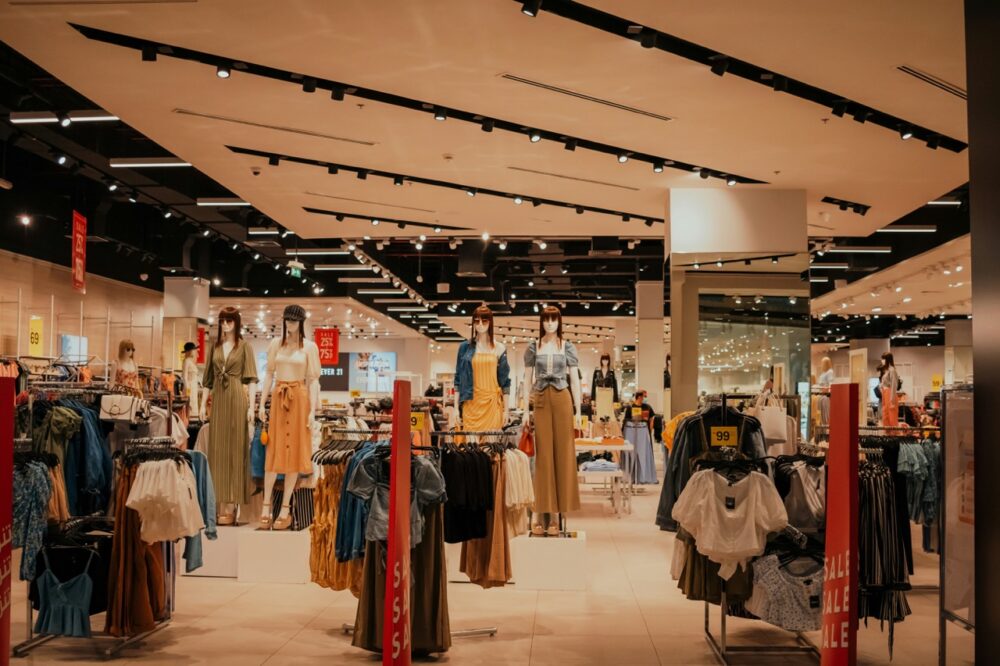
This matters more in stores with high footfall, tight floor plans, or limited natural ventilation. Basement units, mall interiors, and older buildings with outdated HVAC all struggle here. Fixing air quality isn’t glamorous, but it changes how long people are willing to stand in one place, which changes how long they browse.
Layout and Flow
Store layout decides the customer’s path before they’ve made a single decision. A cramped entrance creates hesitation. A cluttered main aisle slows people down in the wrong way. Good flow gives people room to orient themselves in the first few seconds, then guides them naturally toward key categories without making the route feel forced.
Retailers often default to maximizing product density, packing every inch with stock. This backfires. Dense layouts raise perceived crowding, and perceived crowding pushes people toward faster, more transactional shopping. If the goal is engagement rather than a quick grab-and-go, the floor plan needs breathing room.
Lighting as a Functional Tool
Lighting does more than illuminate product. It sets pace and mood, and it can quietly signal where attention should go. Retailers get the best results when they treat lighting design in layers rather than a single overhead solution.
A few principles hold up across most store types:
- Use layered lighting: ambient, task, and accent, rather than one uniform source.
- Keep color temperature consistent with the brand and the product category. Warmer tones suit apparel and home goods. Cooler tones suit electronics and technical products.
- Avoid glare near mirrors, glass cases, and screens, since glare creates friction at the exact points where a customer is deciding to buy.
- Use directional accent lighting to highlight new arrivals or seasonal displays without over-lighting the entire floor.
None of this requires a large budget. It requires intent. A store that treats lighting as an afterthought usually looks flat, even if the products themselves are strong.
Signage That Earns Attention
Visual cues matter just as much as ambient conditions. Static signage gets ignored fast, especially in stores with heavy foot traffic where customers are already filtering out visual noise. Dynamic, well-placed signage cuts through that in a way flat printed signs can’t match.
This is where custom LED signs earn their place. Retailers using custom LED signs for wayfinding, promotions, or brand identity get a sharper visual anchor than traditional print. LED signage also holds up better under store lighting, stays legible from a distance, and can be positioned to draw eyes toward specific zones without shouting over the rest of the space.
The key is restraint. One or two well-placed signs do more than a wall covered in them. Overuse creates the same fatigue that poor lighting or bad acoustics does.
Acoustics and Sensory Load
Sound is the sensory input retailers ignore most often. Hard floors, glass surfaces, and open ceilings bounce noise around a space, and the result is a store that feels chaotic even when foot traffic is moderate. Acoustic treatment, whether through ceiling baffles, textiles, or strategic layout, softens that noise and lowers the sensory load on shoppers.
This connects directly to dwell time. When a space feels calmer, people linger longer without realizing why. And dwell time is not a soft metric. Shoppers who spend just five extra minutes in a store are roughly 40% more likely to make a purchase, according to FieldPie’s retail performance research. Comfort isn’t decorative. It converts.
Bringing It Together
None of these elements work in isolation. Air quality, layout, lighting, acoustics, and signage all interact, and a weak link in one area drags down the rest. A beautifully lit store with stale air still feels uncomfortable. A quiet, well-ventilated space with confusing signage still frustrates shoppers.
The stores that get this right treat the physical environment as part of the product, not a container for it. That shift in thinking, from decoration to design, is what separates a space people pass through from one they actually want to spend time in.

Terry Clark is the Publisher and Content Director of 365 Retail, with more than a decade of experience covering retail design, technology innovations, store openings and the wider retail industry. He also works closely with leading retailers, suppliers, agencies, events and industry awards across the UK.