









It wasn’t that long ago that consumers tended to stick with the same handful of brands.
You bought groceries from the supermarkets you knew, banked with one of the big high street names and booked holidays through familiar travel companies.

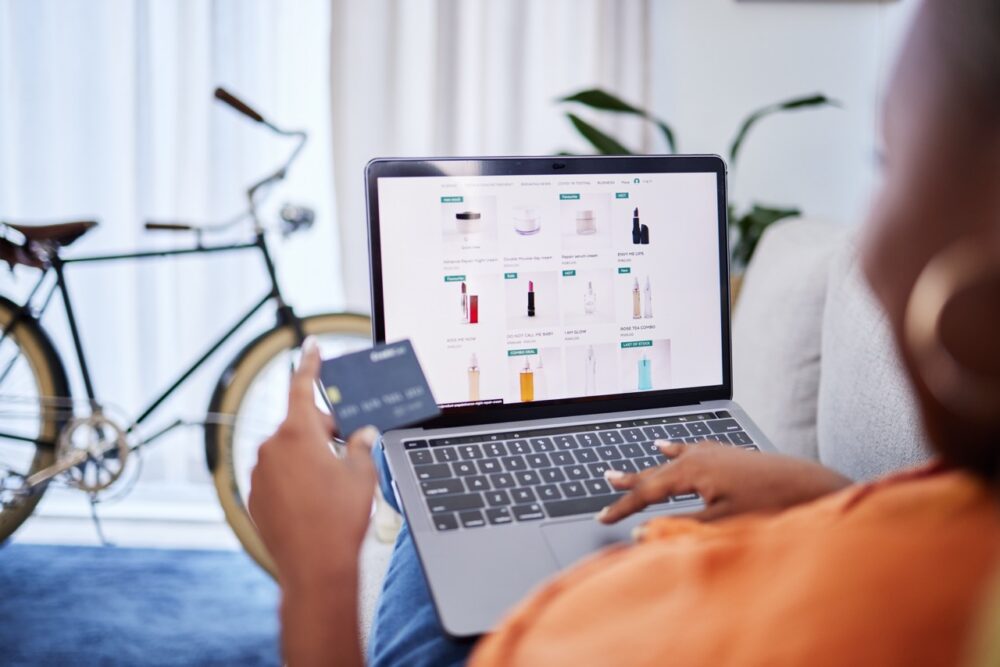
The internet changed that. Smartphones accelerated it.
Today, a new business can enter a market, reach millions of potential customers online and challenge brands that have been around for decades. For UK consumers, that means something fairly simple: more choice.
From banking and food delivery to entertainment and online retail, digital competition has made it much easier to compare what’s available and move elsewhere when a better option comes along.
Smaller Brands Can Compete With the Big Names
One of the biggest changes brought by digital retail is that physical size matters less than it once did.
A company no longer needs hundreds of shops across the country before consumers take notice.
A good website, reliable delivery and clever digital marketing can put a new brand in front of customers surprisingly quickly.
We’ve already seen this across fashion, beauty and homeware. Direct-to-consumer brands have built large customer bases without starting with the expensive store networks traditionally associated with retail.
Technology has played a huge role in making this possible. As 365 Retail has previously explored, technology continues to transform the retail industry, from frictionless payments to increasingly personalised shopping experiences.
The result is more pressure on established retailers to keep improving.
Consumers Can Compare Before They Buy
Competition only really works when customers know they have alternatives.
That’s another area where digital services have changed the game.
Before buying a television, people can compare prices across several retailers in minutes. Before booking a hotel, they can check hundreds of reviews. Switching broadband, insurance or energy providers can start with a quick online comparison rather than an afternoon making phone calls.
That behaviour has spread into almost every part of the digital economy.
Sports betting is one example. Instead of automatically using one familiar bookmaker, customers can now research different operators, offers and features online and Compare the Best UK Betting Sites before deciding which platform suits them.
The same basic behaviour applies whether someone is comparing trainers, savings accounts, flights or digital subscriptions.
Consumers have become used to checking what else is available.
Challenger Brands Force Established Businesses to React
More choice doesn’t only help customers who switch to a new provider.
It can also improve the service they receive from the brands they already use.
Look at banking.
The arrival of app-based challenger banks helped turn instant spending notifications, simple account management and fast digital transfers into features customers increasingly expected as standard.
Traditional banks responded by investing heavily in their own apps and digital services.
Retail has followed a similar path.
Fast delivery, easy returns, mobile checkout and real-time order tracking were once useful extras. For many shoppers, they’re now basic expectations.
When one company removes a frustrating part of the customer journey, competitors quickly discover they may have to do the same.
Switching Has Become Much Easier
Brand loyalty hasn’t disappeared, but businesses can no longer assume that customers will stay simply because they’ve always used them.
Digital services make leaving easier.
If an online shop charges too much for delivery, another retailer is a few taps away. If a streaming platform no longer has enough interesting content, cancelling can take minutes. If a food delivery app has poor availability, consumers can open a competing app.
That puts much more power into the hands of the customer.
The UK’s Competition and Markets Authority has also highlighted greater choice, innovation and better opportunities for consumers as important benefits of effective competition in digital markets.
Businesses therefore have to compete for the next transaction rather than relying entirely on the previous one.
Offers Are Being Used to Win Customers
More competition also means more businesses fighting for attention.
That’s one reason introductory discounts, loyalty rewards, free delivery and personalised promotions have become such a familiar part of online shopping.
Food delivery apps offer money off an initial order. Streaming services use discounted introductory plans. Retailers provide voucher codes for joining mailing lists.
These promotions aren’t new, of course. Supermarkets and department stores have been running special offers for generations.
What’s changed is how precisely they can now be delivered.
A digital business can test different promotions, target particular groups of shoppers and change an offer quickly depending on how customers respond.
That has turned promotions from a simple sales tactic into an important customer acquisition tool.
Convenience Is Now Part of the Competition
Price isn’t the only battleground.
In many cases, consumers will pay slightly more if the experience is considerably easier.
Amazon helped make next-day delivery feel normal. Food delivery platforms made tracking an order on a map commonplace. Banking apps made waiting for a monthly statement seem ancient.
Retailers are now competing on convenience at almost every stage of the buying journey.
How quickly does the website load? Can customers pay with their preferred method? Is delivery information clear? Can an unwanted purchase be returned without printing forms and making phone calls?
Small inconveniences matter much more when a competitor is only one browser tab away.
More Choice Can Also Mean More Confusion
There is another side to all this choice.
Hundreds of products, brands and promotions can make deciding what to buy harder rather than easier.
A customer searching for something as straightforward as headphones can end up comparing dozens of models, prices, reviews and retailers.
That is why trusted reviews, comparison services and clear product information have become increasingly important.
Consumers don’t necessarily want every possible option.
They want an easier way to identify the good ones.
For businesses, that means transparency matters. Clear pricing, straightforward terms and useful information can be just as important as offering the lowest headline price.
The Customer Has More Power
Digital competition hasn’t removed the advantage enjoyed by established brands. Reputation, scale and customer trust still matter enormously.
But being big is no longer enough.
A smaller competitor with a better app, easier checkout, stronger offer or more convenient service can take customers surprisingly quickly.
That has changed the relationship between businesses and consumers.
People have more ways to compare, more companies competing for their money and fewer reasons to tolerate a poor experience.
For retailers and other digital businesses, that’s the challenge.
For consumers, it’s probably the biggest benefit of all.

Terry Clark is the Publisher and Content Director of 365 Retail, with more than a decade of experience covering retail design, technology innovations, store openings and the wider retail industry. He also works closely with leading retailers, suppliers, agencies, events and industry awards across the UK.