











Transformations in the retail sector and advancements in consumer purchasing technologies have both been driven by the frictionless checkout experience and by the power of AI to personalize the shopping experience. The retail sector has experienced increased competition as consumer expectations have grown in both physical and digital stores. Among the indexed priorities of the National Retail Federation, the adoption of AI technologies was most frequently listed as one of the top three most important technologies retailers prioritized in 2026.
The past ten years have seen an exponential evolution of digitized shopping experiences and service automation in retail ( e.g. order fulfillment and post-sales services). Consumers have placed increasing importance on convenience, service personalization, and faster service. Retailers have faced increased pressure to meet these expectations while improving service and operational efficiencies.

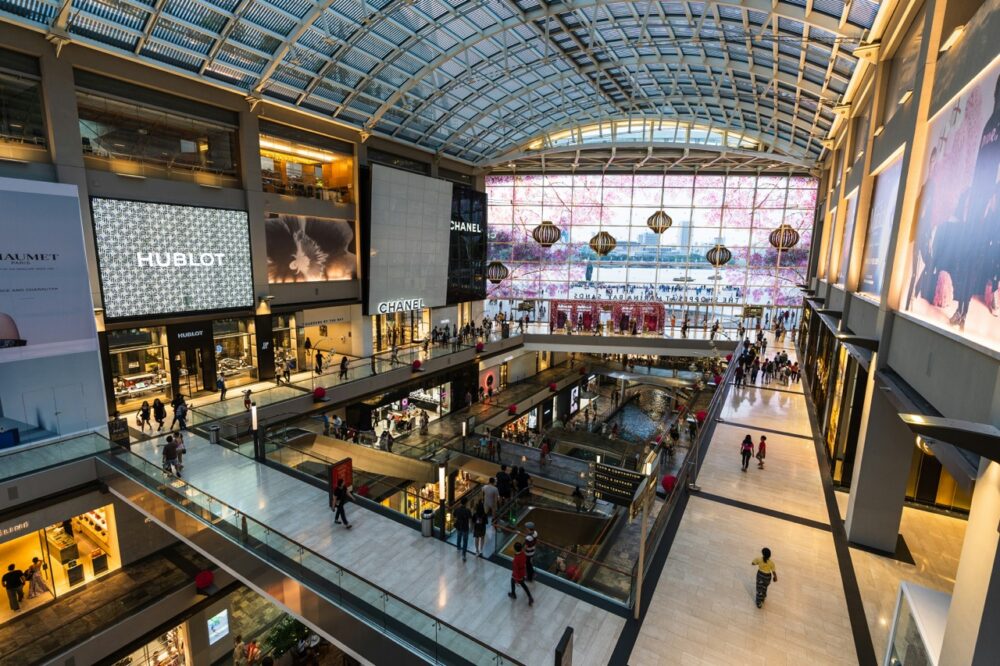
The answer to this paradox has been the rapid adoption of technology in retail. Integrated systems, idiomatic interfaces, AI services, and the automation of point-of-sale transactions have drastically altered the shopping experience. The pace of disruption in the retail sector has created a great deal of consumer apprehension. A sampling of the primary disruptions in the retail sector reveals the following:
Integrated Online and In-Store Shopping
Traditionally, consumers have considered in-store and online shopping to be two distinct experiences. Now, consumers expect an integrated shopping experience, regardless of shopping medium (in-store or online).
Retailers have heavily invested in omnichannel strategies. ‘Click and collect,’ stock visibility, and versatile delivery options are commonplace.
Payment technology is critical to this evolution. Retailers in certain industries may require sophisticated payment technology. As an illustration, high risk pos solutions support secure transaction processing in speciality environments along with the management of fraud and compliance, and flexible payment options. These systems cater to industries with elevated scrutiny of transactions and exemplify the sophistication of payment technology in retail.
Studies on omnichannel retailing stress the integration of digital channels with brick-and-mortar stores. Research indicates that retailers streamline the convenience and flexibility of order fulfillment through the integration of online and offline systems.
Artificial Intelligence and Personalised Retail
AI technology is no longer in the developmental stage. Retailers are using AI to engage in the pricing of goods, automation of sales and support, and the optimization of business processes.
As noted in a survey of the National Retail Federation’s Centre for Digital Risk and Innovation, AI is a priority for retailers, as it is a means of furthering customer engagement and improving operational efficiency.
The most evident use of AI technology is in the personalisation of offers. Systems utilize customers’ sales history and shopping patterns to refine the relevance of AI.
Recent evidence shows that AI-integrated shopping experiences affect customers’ spending habits. Adobe Analytics reported that consumers landing on retail sites from AI-enhanced platforms provided 53% more revenue per visit compared to customers landing on sites from conventional methods.
AI has a lot to offer retail, but many industry leaders are balancing AI with the value of interpersonal engagement. Technology can make arbitrary processes more effective, but the element of trust proves most important for customers.
Smarter Inventory and Supply Chain Management
The ability to gain control of your stock has always been the foundation of winning retail. Now that technology has made even greater control of customer demand via product movements the norm, successful retail looks much different than it did previously.
Overly sufficient stock can undermine sales. Analytics and demand forecasting minimize the risk of that loss, while RFID technology tracks every product in the supply chain and later inventory.
RFID and other retail technologies boost loss prevention and visibility of less common operations through precise control of inventory. AI and advanced analytics help retailers understand the customer better by combining transactional and product tracking data.
Supply chain AI serves a similar function and helps meet and forecast the changing demands of customers. Retailers are now effectively able to eliminate waste.
Self-Service and Frictionless Shopping
Self-service technology fills the need for convenience and speed in retail. Technologies such as self-checkout kiosks and mobile payment self-services aim to reduce the friction present in the purchasing process.
Retailers, as a result, are multiplying the self-service technologies present in their stores, accustomed to the consumer demand for speed and convenience in transactions, especially for smaller volume purchases.
According to the EHI Retail Institute’s 2025 market survey, Germany has more than 38,000 self-checkout kiosks, and that figure has doubled in the past two years. Some retailers, however, have been challenged by concerns of shrinkage and lack of customer service, and so have had to pivot from their self-service strategies.
Discussions have been focusing on different solutions that include automation, but are not reliant on it, and therefore incorporate staff. Store designers continue to innovate and are incorporating automated and frictionless self-service technologies alongside self-checkout, as well as integrating payment technologies like contactless and mobile wallets.
Technology’s Influence on Retail
Customer’s retail experience has changed because of technology, and so too have the operations that serve that experience. Shopping technologies have integrated omnichannel and frictionless commerce and have introduced a new level of management to the retail operations that serve the customer.
What comes next is more of the same, but not in the way of isolated advancements. Retailers are seeking more of the integrated solutions that will connect their data, operations, and customer experience to a single framework.
This will be a win for customers in that the shopping experience will be more convenient and individually tailored. For retailers, the challenge will remain to balance their digital presence with innovations that will enhance efficiency while maintaining customer confidence.

Terry Clark is the Publisher and Content Director of 365 Retail, with more than a decade of experience covering retail design, technology innovations, store openings and the wider retail industry. He also works closely with leading retailers, suppliers, agencies, events and industry awards across the UK.