







Drainage problems are easy to ignore when they start with something minor, such as a slow-draining sink or an occasional unpleasant smell. However, small warning signs can sometimes indicate a deeper problem within the pipework. If you are considering Blocked drain unblocking Nottingham services because the same issue keeps coming back, it may be worth investigating why the blockage is happening rather than simply clearing it each time.
A drain can become blocked for many reasons, including grease, food waste, wet wipes, hair, tree roots and accumulated debris. Thames Water lists slow-draining sinks or baths, difficulty flushing toilets and unpleasant drain smells among the common signs of a blockage.

While some straightforward blockages can be cleared relatively quickly, recurring problems may suggest that something more serious is happening inside the drainage system. Cracked pipes, displaced joints, root intrusion or collapsed sections can all restrict water flow and may require a more detailed inspection.
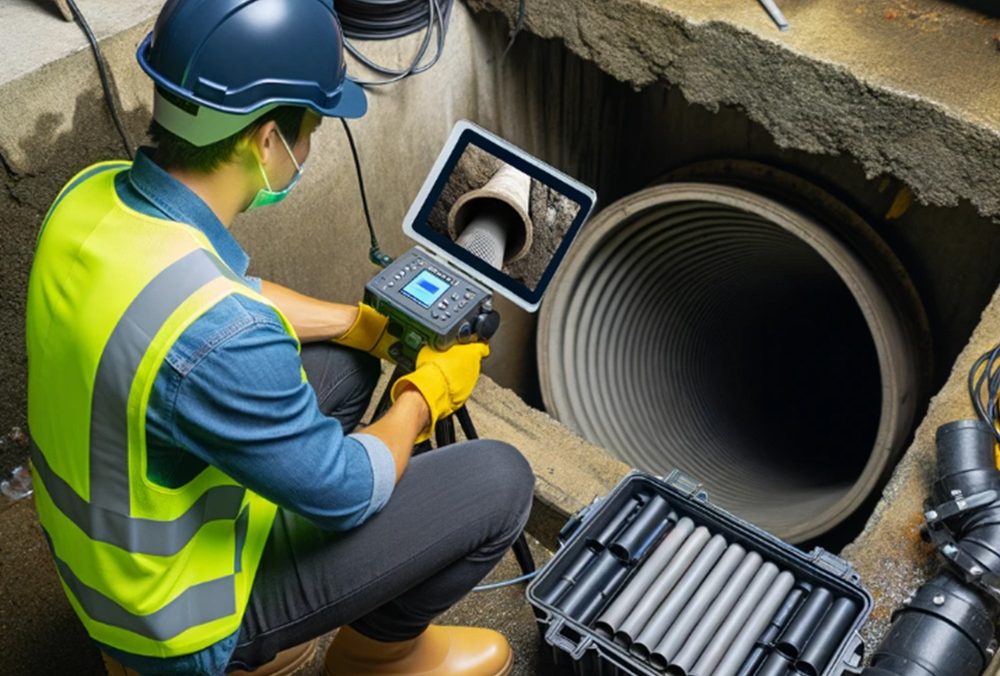
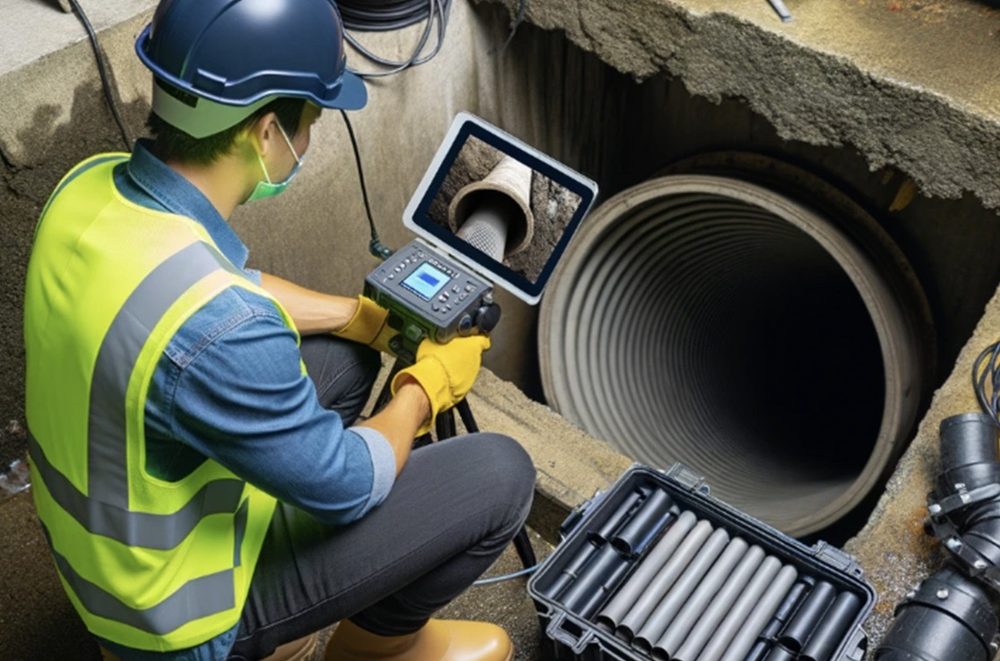
This is where a CCTV drain survey Nottingham service can be useful. A small inspection camera can be guided through the drainage system to examine the condition of the pipework and identify problems that cannot be seen from above ground. CCTV surveys are also used by water companies to identify structural defects such as cracks, fractures, holes and collapses.
What Is a CCTV Drain Survey?
A CCTV drain survey involves using a specialist camera to inspect the inside of underground drainage pipes. The camera records the condition of the pipe as it moves through the system, allowing drainage professionals to identify blockages, damage and other problems.
Unlike simply clearing a blockage, a CCTV survey can help determine why the problem is occurring.
For example, if a drain has been blocked several times within a short period, there could be an underlying structural problem that needs attention. Finding that problem early can help prevent repeated call-outs and more serious damage.
8 Warning Signs You May Need a CCTV Drain Survey
1. Your Drain Keeps Getting Blocked
One of the clearest signs that a CCTV inspection may be worthwhile is a blockage that keeps returning.
A single blockage may simply be caused by something that should not have entered the drainage system. However, if the same drain becomes blocked repeatedly even after professional cleaning, there may be an underlying issue.
Repeated blockages can be associated with damaged pipes, root intrusion, heavy deposits or sections of pipework that have become restricted.
Instead of repeatedly treating the symptom, a CCTV inspection can help establish what is causing the problem.
2. Water Is Draining More Slowly Than Usual
A sink, bath or shower that takes noticeably longer to empty can be an early warning sign.
Slow drainage does not necessarily mean that the pipe is completely blocked. It can indicate that the internal diameter of the pipe has been reduced by grease, scale, hair, debris or another obstruction.
Wessex Water lists slow or non-draining water among the common signs of blocked drains.
If several fixtures around the property begin draining slowly, the issue may be further down the drainage system rather than being limited to one plughole.
3. You Notice Persistent Bad Smells
An unpleasant smell coming from a drain is another warning sign worth paying attention to.
A persistent sewage-like or stagnant smell can sometimes indicate that waste is not flowing correctly through the drainage system. Organic material trapped inside a pipe can also create unpleasant odours.
A smell on its own does not always mean that a CCTV survey is required. However, when it occurs alongside slow drainage, gurgling or recurring blockages, it becomes more important to investigate the underlying cause.
4. You Hear Gurgling Sounds From Your Drains
Gurgling noises from toilets, sinks, baths or showers can indicate that air is moving through the drainage system because water is struggling to flow normally.
Occasional sounds may not be a serious concern, but persistent or unusual gurgling should not be ignored, particularly when combined with other drainage problems.
Wessex Water identifies gurgling sounds as one of the common signs associated with blocked drains.
A CCTV inspection can help determine whether the noise is connected to an obstruction, damaged pipework or another drainage issue.
5. Wastewater Is Backing Up
Wastewater backing up into a sink, bath, shower or toilet is a more serious warning sign.
When wastewater cannot move through the drainage system properly, it may begin travelling back towards the property. In severe cases, this can lead to flooding and exposure to contaminated water.
Thames Water warns that blocked pipes can prevent waste from leaving a property and may result in wastewater returning through toilets or sinks.
If wastewater is backing up repeatedly, professional investigation should be considered rather than relying solely on household drain cleaners.
6. You Suspect Tree Roots Are Affecting the Pipes
Trees and drainage systems can sometimes create problems when roots find their way into underground pipework.
Small cracks or gaps around pipe joints can provide an entry point for roots. Once inside, the roots may continue growing and collect other debris, gradually restricting the flow of wastewater.
Because this problem occurs underground, it can be difficult to identify without specialist equipment.
A CCTV survey can show whether roots have entered the pipe and provide a clearer picture of how extensively the drainage system has been affected.
7. You Are Buying or Renovating a Property
A drainage inspection can also be useful when buying a property, particularly if the drainage system is old or difficult to assess from the surface.
Major drainage repairs can be expensive, so identifying potential problems before completing a purchase may help a buyer make a more informed decision.
CCTV inspections can also be useful before or after certain building and renovation projects. For example, Thames Water requires CCTV surveys in some circumstances involving construction over or near certain sewers to assess their condition and check for damage.
For homeowners planning an extension, new driveway or other substantial work, understanding where drainage pipes run and what condition they are in can also be valuable.
8. A Previous Drain Repair Has Not Solved the Problem
Sometimes a blockage is cleared or a repair is carried out, but drainage problems continue.
This could mean that the original problem was only part of the issue. There may be another obstruction further along the pipe, damaged sections that were not identified, or multiple areas requiring attention.
A CCTV survey can provide a more complete picture of the drainage system and help establish whether additional work is actually necessary.
This can be particularly useful before paying for major excavation or pipe replacement.
What Can a CCTV Drain Survey Find?
One of the main advantages of CCTV drainage inspections is that they can reveal problems that would otherwise remain hidden underground.
Depending on the condition of the pipe, an inspection may identify:
- Cracked or fractured pipes
- Collapsed sections
- Displaced or damaged joints
- Tree-root intrusion
- Grease and debris buildup
- Foreign objects
- Heavy scale deposits
- Restrictions within the pipe
- Structural deterioration
- Other obstructions affecting water flow
Thames Water uses CCTV surveys to identify structural defects and help determine what type of repair work is required.
Does a CCTV Survey Mean Your Drain Needs to Be Replaced?
Not necessarily.
One of the advantages of carrying out an inspection before undertaking major work is that it can help establish the actual condition of the pipe.
A survey may show that the problem is relatively minor and can be resolved through cleaning or a localised repair. In other situations, more substantial damage may require pipe relining, repair or replacement.
The important point is that the inspection provides evidence that can help guide the next step.
Rather than assuming that an entire section of drainage needs to be replaced, homeowners can use the survey findings to understand what is actually happening underground.
What Happens During a CCTV Drain Survey?
The exact process varies depending on the drainage system and the type of problem being investigated.
Generally, a drainage professional will first identify a suitable access point. The pipe may then be cleaned if necessary so that the camera can provide a clearer view.
A specialist camera is introduced into the pipe and moved through the drainage system while footage is recorded. Wessex Water’s CCTV survey guidance, for example, recommends that sewer pipework is cleaned before inspection where appropriate so joints and defects can be seen clearly.
The footage can then be reviewed to identify any blockages, defects or structural problems.
How Can You Prevent Drain Problems?
Although CCTV surveys are useful for diagnosing drainage problems, prevention is still important.
Households can reduce the risk of blockages by being careful about what goes down sinks, toilets and drains.
Avoid putting fats, oils and grease down kitchen sinks, and dispose of food waste appropriately. In bathrooms, avoid flushing wet wipes, sanitary products and other unsuitable items. Thames Water recommends flushing only pee, poo and toilet paper.
It is also worth keeping outdoor drains and gullies clear of leaves, mud and other debris, particularly before periods of heavy rainfall.
When Should You Call a Professional?
Not every slow drain requires a CCTV survey. A minor, one-off blockage may be resolved through straightforward cleaning.
However, professional investigation becomes more worthwhile when the problem is persistent, recurring or difficult to explain.
Consider arranging an inspection if:
- The same drain repeatedly becomes blocked.
- Several drains are affected at the same time.
- Wastewater is backing up.
- You suspect tree roots have entered the pipe.
- You notice signs of damaged or collapsed pipework.
- A previous repair has not resolved the issue.
- You are buying a property and want to understand the condition of its drainage system.
- You are planning major building work around existing drainage.
The key is not to wait until a minor drainage problem becomes a major one.
Conclusion
A CCTV drain survey can be a valuable diagnostic tool when drainage problems keep returning or when the cause is not immediately obvious. Instead of relying on guesswork, an inspection allows professionals to look inside underground pipework and identify potential problems such as blockages, root intrusion, cracks and structural defects.
The most important warning signs include recurring blockages, slow drainage, unpleasant smells, gurgling sounds, wastewater backing up and suspected damage to underground pipes.
Acting when these signs first appear can make it easier to identify the cause and choose the right solution. In many cases, understanding what is happening inside the pipe is the first step towards preventing the same drainage problem from happening again.

Terry Clark is the Publisher and Content Director of 365 Retail, with more than a decade of experience covering retail design, technology innovations, store openings and the wider retail industry. He also works closely with leading retailers, suppliers, agencies, events and industry awards across the UK.