








Old wiring can contribute to an unsatisfactory EICR, but not all the time. Age doesn’t mean an electrical installation will fail.
An Electrical Installation Condition Report (EICR) assesses the condition and safety of a property’s fixed electrical installation. A qualified and competent electrician examines accessible wiring, sockets, switches, light fittings, the consumer unit and other fixed electrical components. They also carry out appropriate electrical tests to identify defects, deterioration and potential safety risks. For landlords in England, the government requires rented properties to have their electrical installations inspected and tested by a qualified person at least every five years.

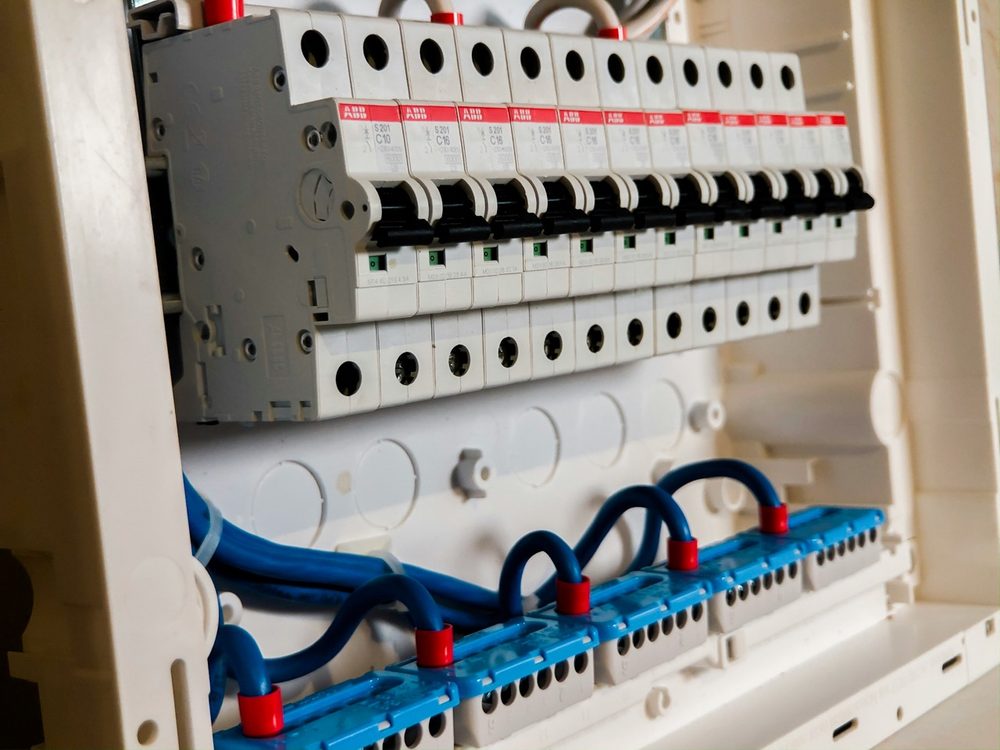
This makes the condition of older electrical installations particularly important for landlords and property owners. Wiring that has been in place for decades may still be safe, but it can also show signs of deterioration, outdated installation methods, poor alterations or inadequate protective measures. An EICR certificate in London helps establish the actual condition of the installation rather than making assumptions based simply on its age.
What Does an EICR Check?
An EICR is a detailed assessment of the fixed electrical installation. It does not simply check whether the lights switch on or whether the sockets provide power. The electrician examines the installation and uses testing procedures to assess whether it remains safe for continued use.
Wiring and Electrical Circuits
The condition of the wiring is an important part of the inspection. The electrician looks for accessible signs of damage, deterioration, overheating, poor connections and other defects that could affect electrical safety.
Older wiring may have experienced years of normal use, building work or environmental exposure. Heat, moisture, mechanical damage and poorly completed alterations can all affect cables and connections over time. The electrician considers these factors alongside the results of electrical testing before deciding whether an issue needs to be recorded.
Sockets, Switches and Light Fittings
Sockets, switches and fixed light fittings also form part of the fixed installation assessed during an EICR. The electrician checks their condition and looks for signs such as cracking, damage, scorching, overheating or loose connections.
A damaged socket may represent an isolated problem, but repeated damage or overheating can indicate a wider electrical issue. An inspection helps identify whether the problem requires repair or whether further investigation is necessary.
Consumer Unit and Protective Devices
The consumer unit, commonly called the fuse box, plays an important role in protecting electrical circuits. During an EICR, the electrician assesses its condition and the protective devices serving the installation.
An older consumer unit does not automatically mean that the property will fail its EICR. However, the electrician will consider whether the existing protective arrangements provide appropriate protection and whether any identified deficiencies present a safety concern. Modern installations often include protective measures that were not present when older properties were originally wired.
Earthing and Bonding
Earthing and bonding provide important protection against electric shock. They help ensure that protective devices can operate correctly when an electrical fault occurs.
Older properties may have earthing or bonding arrangements that need attention, particularly where the installation has been modified over the years. An electrician can test the relevant arrangements and record any concerns in the EICR.
Why Can Old Wiring Become a Problem?
There is no simple rule that says electrical wiring becomes unsafe after a particular number of years. The real concern is condition, safety and suitability.
Deterioration Over Time
Electrical components can deteriorate through normal use. Cables may suffer physical damage, insulation can deteriorate and connections can loosen or overheat. However, environmental conditions can also affect an installation. Wiring exposed to excessive heat, moisture or mechanical stress may deteriorate faster than wiring installed in suitable conditions.
An EICR gives the electrician an opportunity to identify these problems before they develop into more serious electrical hazards.
Older Installation Standards
Electrical standards have developed over time as technology, building practices and safety requirements have changed. An older property may therefore contain wiring or protective arrangements that reflect the standards applicable when the installation was originally completed.
That does not automatically make the installation unsafe. An EICR does not simply require every older installation to be upgraded to the latest standard. Instead, the electrician assesses the existing installation against the applicable requirements and considers whether any condition presents a safety risk.
Previous Electrical Alterations
Previous alterations can create problems in older properties. A kitchen refurbishment, extension, loft conversion or bathroom renovation may have involved changes to the electrical installation.
If previous electrical work was poorly designed, incorrectly connected or inadequately protected, the installation may contain defects that affect its safety.
For this reason, an EICR can identify problems that are not immediately obvious to a landlord or homeowner. An electrical system can continue to work normally while still containing defects that require professional attention.
Does Old Wiring Automatically Fail an EICR?
No, not necessarily. Old wiring does not automatically cause an EICR to fail.
An electrician bases the outcome on the condition and safety of the installation and the observations identified during the inspection and testing. A property can have an older electrical installation that remains satisfactory for continued use. Equally, a newer installation can receive an unsatisfactory report if the electrician identifies dangerous or potentially dangerous defects.
The classification codes recorded on the report help explain the seriousness of any problems. Government guidance states that C1 and C2 findings make an electrical installation unsatisfactory for continued use, while C3 represents an improvement recommendation. The guidance also identifies FI where further investigation is required.
This means landlords should not assume that an old property needs a complete rewire simply because of its age. They should also avoid ignoring an electrician’s recommendations because the electrical system has worked without obvious problems for many years.
Which EICR Codes Can Make an Installation Unsatisfactory?
C1: Danger Present
A C1 classification means the electrician has identified a condition where danger is present and there is a risk of injury. The electrician should take appropriate action to make an immediate danger safe where reasonably practicable. A C1 finding requires urgent attention because the condition presents an immediate safety concern.
C2: Potentially Dangerous
A C2 classification means the electrician has identified a potentially dangerous condition. The problem may not present immediate danger in normal circumstances, but it could become dangerous.
For landlords covered by the electrical safety regulations in England, C1 and C2 observations require remedial action. The government guidance states that an installation with these findings is considered unsatisfactory.
C3: Improvement Recommended
C3 means that an enhancement is suggested. It does not mean that the electrician has recognized a condition that makes the installation unsafe. For instance, an older installation may lack a modern improvement that would improve safety without creating immediate or potentially dangerous conditions. A C3 recommendation does not, by itself, make the EICR unsatisfactory.
FI: Further Investigation
FI means that further investigation is required. The electrician needs additional information or investigation before they can properly determine the condition of the installation.
Further investigation should address a genuine concern rather than being requested simply because the electrician wants more information about an installation. Electrical Safety First’s guidance provides further information on how inspectors should approach EICR classification codes.
What Problems With Old Wiring Might an Electrician Find?
Damaged or Deteriorated Cables
Old cables can develop deterioration or damage through age, environmental conditions or previous building work. Where the condition creates a safety concern, the electrician will record the appropriate classification and explain the issue in the report.
Poor or Unsafe Connections
Loose or poorly made connections can cause overheating and increase the risk of electrical faults. Older installations that have undergone several alterations may contain connections that need professional attention.
Inadequate Earthing
The electrician checks relevant earthing arrangements during the inspection. If the installation does not provide suitable protection against electric shock, the electrician will record the issue and recommend appropriate action.
Inadequate Protective Measures
Older electrical installations may not contain all of the protective measures commonly found in newer installations. However, the absence of a modern feature does not automatically mean an EICR will fail. The electrician considers the actual risk and applies the appropriate classification.
Electrical Safety First’s current technical guidance, for example, shows that the correct classification can depend on the specific circumstances of an installation rather than simply the presence or absence of a particular modern component.
Poor Previous Alterations
DIY work or poorly completed electrical alterations can create significant safety concerns. Incorrect connections, unsuitable accessories or inadequate protection can affect an EICR regardless of the original age of the wiring.
What Happens If an Old Installation Receives an Unsatisfactory EICR?
An unsatisfactory EICR does not automatically mean that the entire electrical installation needs replacing. The report should identify the specific observations that require attention and the classification assigned to each issue.
For rented properties in England, landlords must arrange the necessary remedial or further investigative work within 28 days, or within a shorter period where the report specifies one. After completing the work, the landlord must obtain appropriate written confirmation and provide the required documentation to the tenant and, where applicable, the local authority.
The appropriate solution depends on the defect. An electrician may need to repair a connection, replace damaged equipment, improve protective measures or investigate a particular circuit.
Does an Old Property Need a Complete Rewire?
No, not simply because the property is old.
A complete rewire may become necessary when an electrician finds widespread deterioration, unsafe wiring, inadequate installation arrangements or other significant defects that cannot reasonably be addressed through individual repairs. However, many older installations do not require complete replacement. A qualified electrician should explain the problems found and why particular remedial work is necessary.
Therefore, landlords and homeowners should prevent making decisions based solely on the property’s construction date. A competent EICR provides a much clearer pricture o
Landlords and homeowners should therefore avoid making decisions based solely on the property’s construction date. A professional EICR provides a much clearer picture of the electrical installation’s current condition.
How Can Landlords Prepare for an EICR?
Landlords can make the inspection easier by ensuring the electrician can access the consumer unit, sockets, switches, light fittings and other relevant parts of the fixed installation. Keeping previous EICRs, electrical certificates and records of alterations can also provide useful information about the property’s electrical history.
If you already know about damaged sockets, previous electrical work or other concerns, tell the electrician before the inspection. Do not attempt electrical repairs yourself unless you are appropriately qualified to carry out the work.
Landlords should also understand their documentation responsibilities. In England, landlords must provide the EICR to existing tenants within 28 days of the inspection, provide it to new tenants before they occupy the property, and provide it to the local authority within seven days if requested.
Conclusion
Old wiring should not be judged by age alone. What matters is whether the electrical installation remains safe, properly maintained and suitable for continued use. A professional inspection can identify the specific issues that need attention and distinguish between genuine safety concerns and recommendations for improvement.
EICR CERT provides electrical inspection and certification services for residential and commercial properties across London. Our qualified engineers inspect and test fixed electrical installations, including wiring, sockets, switches and consumer units, and provide clear reports explaining their findings.
If your property’s wiring is old or you are unsure when its electrical installation was last inspected, arranging a professional EICR Certificate London service can give you a clearer understanding of its current condition and help you plan any necessary work.

Terry Clark is the Publisher and Content Director of 365 Retail, with more than a decade of experience covering retail design, technology innovations, store openings and the wider retail industry. He also works closely with leading retailers, suppliers, agencies, events and industry awards across the UK.