




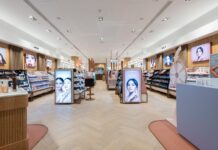






Fashion retailers have become unexpected champions in the fight against breast cancer, using their marketing reach and consumer relationships to drive awareness about screening and early detection. What began as ribbon pins and pink merchandise has evolved into sophisticated campaigns that genuinely influence women’s health behaviors, particularly around breast screening attendance and diagnostic follow-up.

The Retail Platform Advantage
High street retailers reach millions of women weekly through physical stores, online platforms, and social media channels. This frequency of contact creates multiple touchpoints for health messaging that clinical institutions struggle to achieve. When a woman sees breast cancer awareness materials during routine shopping trips, the repetition normalizes conversations about screening that might otherwise feel clinical or intimidating.

Major retail chains have shifted from token gestures to substantial campaigns that include employee training, in-store educational materials, and partnerships with cancer charities. Store staff increasingly receive briefings on breast health basics, enabling them to direct customers toward screening resources when appropriate. This grassroots approach reaches women who may not actively seek health information through traditional medical channels.
Evidence That Awareness Translates to Action
Recent research confirms that visibility matters for screening uptake. Studies show breast screening programs with enhanced awareness components achieve better long-term outcomes, with earlier-stage diagnoses and reduced mortality rates compared to areas with lower campaign activity. The correlation between sustained public messaging and screening attendance has strengthened over the past decade.
Fashion campaigns contribute to this effect by reaching women in their 30s and 40s, age groups that often lack engagement with breast health messaging. While organized screening programs typically target women over 50, retail awareness efforts introduce younger demographics to self-examination techniques and risk factor education. This early engagement builds health literacy that translates to better screening compliance when women reach eligible age ranges.
What Effective Campaigns Actually Do
The most impactful retail breast cancer initiatives share common elements. They provide clear information about screening frequency recommendations, explain what mammography involves to reduce anxiety about the procedure, and clarify eligibility criteria for different imaging modalities. Campaigns that include survivor stories humanize the experience while emphasizing that early detection improves treatment options.
Successful campaigns also address practical barriers. Information about mobile screening units, evening appointment availability, and what to expect during diagnostic follow-up helps women overcome logistical hesitations. Some retailers have facilitated on-site screening events in store car parks, directly removing the step of booking an appointment elsewhere. Large-scale retail collections supporting cancer charities fund these practical interventions alongside research and patient support services.
From Awareness to Diagnosis and Treatment
When screening detects abnormalities, the next steps involve diagnostic imaging and potentially tissue biopsy. Women benefit from understanding that the majority of recalled screenings result in benign findings, but that prompt investigation remains essential. Retail campaigns increasingly include information about the diagnostic pathway to reduce the anxiety gap between screening and results.
For women requiring treatment, access to comprehensive breast health programs becomes paramount. Integrated services that combine imaging, surgical options including breast-conserving procedures or mastectomy, medical oncology, and reconstructive surgery provide coordinated care pathways. While retail awareness campaigns introduce women to screening concepts, specialized healthcare providers deliver the clinical expertise required for diagnosis and treatment planning. Facilities offering genetic testing can identify hereditary risk factors that inform surveillance strategies for high-risk patients.
The International Dimension
Breast cancer awareness transcends borders, with campaigns adapting to regional healthcare systems and cultural contexts. In regions with developing screening infrastructure, retail awareness efforts often precede formal program establishment, building public demand that drives healthcare investment. International medical centers have responded by expanding breast health services, recognizing that informed populations seek high-quality diagnostic and treatment options.
Healthcare providers in medical tourism destinations have developed programs that combine advanced breast imaging technology with surgical expertise and multidisciplinary care teams. These centers serve both local populations and international patients seeking specialized treatment. The same institutions often manage broader oncological services, including neurological conditions requiring interventions such as brain aneurysm treatment in dubai, reflecting the comprehensive capabilities required for complex cancer and related vascular care. This breadth of expertise ensures patients can access coordinated services when breast cancer treatment uncovers additional health concerns or when risk factors overlap across conditions.
Measuring Real-World Impact
Quantifying the contribution of retail campaigns to screening rates requires separating their influence from concurrent public health initiatives, media coverage, and celebrity advocacy. Researchers track screening uptake in regions with intensive retail campaigns against control areas, adjusting for demographic factors and healthcare access variables. While isolating retail’s specific contribution remains challenging, correlation data consistently shows improved attendance during and immediately following major awareness campaigns.
Charities receiving donations from retail campaigns report that funding enables patient navigation services, transportation assistance for rural women, and extended hours at screening facilities. These practical interventions address the barriers that awareness alone cannot overcome, creating a complete pathway from initial interest to completed screening.
Looking Ahead
The evolution of retail breast cancer campaigns points toward more sophisticated integration of health messaging with shopping experiences. Digital platforms enable personalized reminders based on customer age and screening eligibility, while augmented reality applications in stores can demonstrate self-examination techniques. The challenge lies in maintaining authenticity as campaigns become more technologically advanced, ensuring that commercial objectives do not dilute health messages.
Future campaigns will likely emphasize risk stratification and personalized screening schedules rather than uniform age-based recommendations. As genetic testing becomes more accessible, retail platforms may facilitate education about hereditary risk factors and appropriate surveillance for high-risk women. The fundamental contribution of fashion retail to breast cancer awareness has proven durable, with sustained campaigns normalizing conversations about breast health in everyday contexts where women already spend time and attention.

Terry Clark is the Publisher and Content Director of 365 Retail, with more than a decade of experience covering retail design, technology innovations, store openings and the wider retail industry. He also works closely with leading retailers, suppliers, agencies, events and industry awards across the UK.