











Adding another payment option can look like a straightforward checkout upgrade. The button appears, the integration passes its initial tests, and the retailer gains another way to accept orders. Yet the customer experience depends on everything surrounding that button: pricing, confirmation, delivery, refunds and support.
For retail teams considering digital-asset payments, these operational details deserve attention before launch. A payment method earns its place when it serves identifiable customer demand and works within the retailer’s existing processes. Its value needs to be assessed across the entire purchase journey.

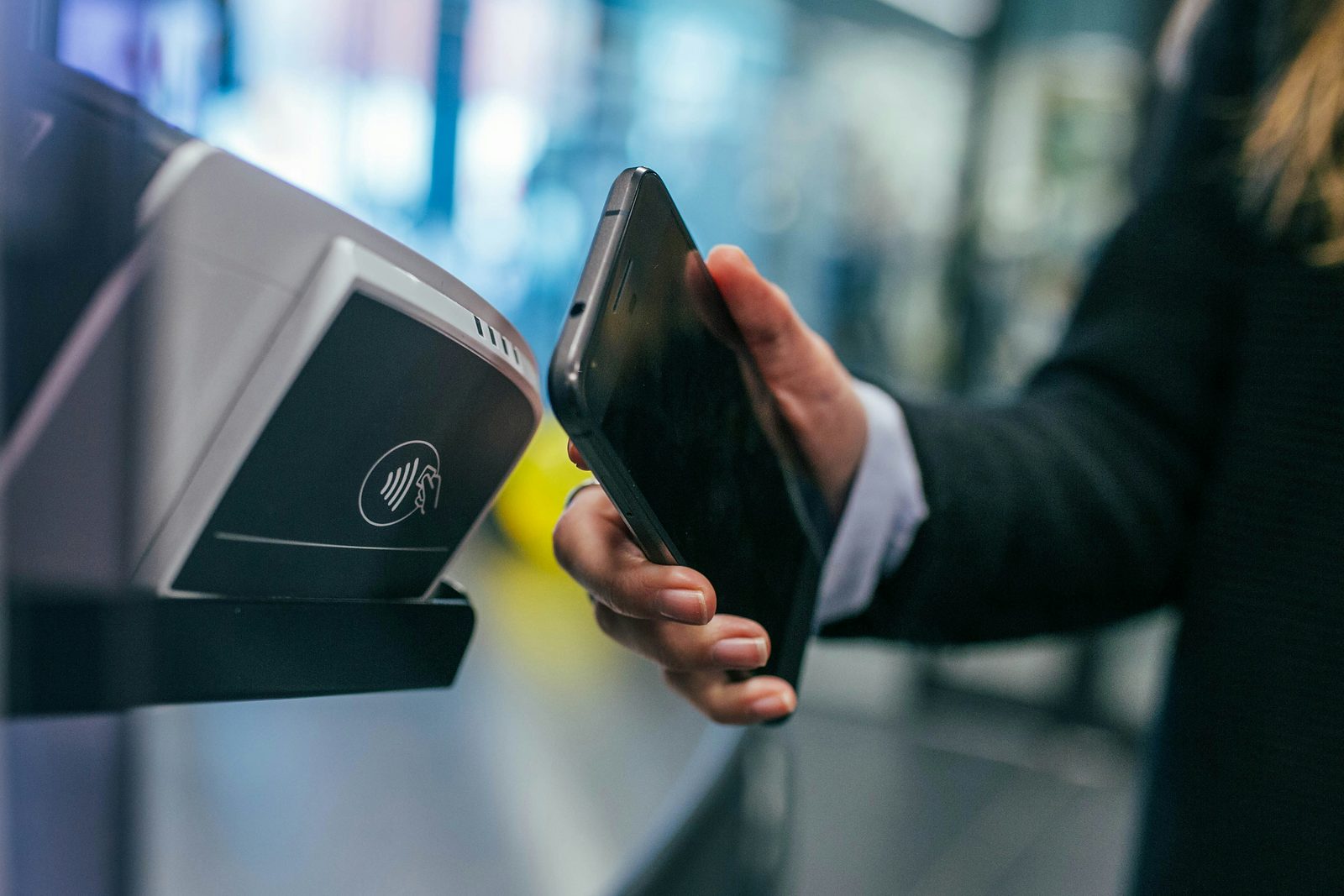
Start With Customer Demand and Basket Economics
Payment decisions should begin with the customers a retailer already serves or has a realistic opportunity to reach. Enquiries about unsupported payment methods provide a starting point. Checkout research and conversations with customer services can help establish whether those requests represent a recurring need.
The next step is to examine the relevant baskets. A payment method requested for occasional high-value purchases may warrant a different approach from one intended for frequent, low-value transactions. Processing costs, support time and settlement arrangements all affect the commercial case.
Retailers should also distinguish payment preference from purchase intent. Someone asking about an option is not necessarily ready to place an order. A limited pilot can provide better evidence than a full rollout.
Define the pilot’s purpose clearly: reaching a particular customer segment, reducing failed payments or supporting an established sales channel. That makes the results easier to interpret.
Keep Payment Preparation Outside the Basket
Customers need to know whether they can use a payment method before investing time in checkout. For digital assets, naming the accepted currency alone may leave important questions unanswered. The supported network, payment instructions and any expiry period should be clear.
A shopper may hold a different asset from the one a merchant accepts. An eth to xmr conversion involves exchanging Ethereum for Monero before a subsequent payment can take place. The exchange and the retail purchase are separate transactions, with separate statuses and support responsibilities.
That distinction matters for checkout design. Retailers should avoid making an external conversion an unexpected requirement after a customer has assembled a basket. Payment information should be accessible earlier, while customers are still deciding whether the available options suit them.
If preparation takes longer than expected, the website also needs a sensible approach to basket recovery. Customers should be able to return without losing product selections, while stock availability and prices remain subject to clear confirmation.
Make Order Confirmation Useful to the Shop Floor
An accepted payment must connect reliably with an order that staff can fulfil. The warehouse needs a clear release instruction. A click-and-collect team needs to know whether goods are ready for handover. Customer services needs to distinguish a payment awaiting confirmation from an order awaiting dispatch.
These are retail decisions as much as technical ones. Agree which confirmed event allows each action and ensure the relevant systems display it consistently.
Test interruptions as well as successful purchases. A customer might close the browser before returning to the retailer’s website, or a payment update might arrive late. Staff should still be able to locate the order and establish its status.
Customer-facing messages should explain the next step without exposing unnecessary technical detail. A useful update tells the shopper whether they need to act and where they can check progress.
Build Refunds Into the Launch Plan
Returns are part of the product experience. Before introducing an alternative payment method, establish how full refunds, partial refunds and exchanges will be handled.
Customers should understand the refund basis, the available method and the expected process before purchasing. Finance and customer services also need a shared record connecting the original order, returned goods and refund.
During the pilot, monitor support enquiries and reconciliation work alongside completed sales. A payment option that attracts orders but creates persistent uncertainty may need changes before wider deployment.
Retail checkout is a promise that the business can carry a purchase through to completion. Alternative payments work best when that promise remains clear after the transaction: the order is traceable, fulfilment is coordinated, and a return can be resolved without confusion.

Terry Clark is the Publisher and Content Director of 365 Retail, with more than a decade of experience covering retail design, technology innovations, store openings and the wider retail industry. He also works closely with leading retailers, suppliers, agencies, events and industry awards across the UK.