








Retail is no longer just about shelves, stock, and sales. Today’s consumers are seeking immersive experiences that blend shopping with entertainment, community, and digital innovation. From flagship stores that double as cultural hubs, to pop-ups that feel more like art installations or nightclubs than retail outlets. The industry is undergoing a transformation where the experience is as valuable as the product itself.

Beyond the Transaction: Retail as Entertainment
Shoppers are increasingly drawn to environments that surprise and delight. Brands like Nike and Adidas have pioneered interactive store concepts where customers can test products in real-world scenarios, while beauty retailers are investing in augmented reality mirrors that allow customers to “try before they buy” without ever opening a bottle. Others have begun to enlist the help of DJs to bring their decks down to stores, to create a party atmosphere that makes people want to walk through the doors.
This shift reflects a broader trend: consumers want to feel part of something bigger than a simple purchase. In fact, 88% of the UK population visited a retail destination in late 2024, with under-35s averaging 9.5 visits per month, more than double the frequency of those aged 55+. The numbers highlight how younger shoppers are actively seeking out immersive, in-person experiences that go beyond transactions.
The Digital Crossover: Retail Meets Interactive Platforms
Interestingly, the gaming industry has become a surprising source of inspiration for retailers. Concepts like virtual leaderboards, interactive challenges, and crossover promotions are finding their way into physical and digital retail spaces.
Some retailers are even experimenting with gamified promotions that mirror the action of placing a sport bet, where customers can “wager” loyalty points or discounts on product launches. This approach taps into the psychology of anticipation and reward, creating a sense of engagement that traditional marketing often struggles to achieve.
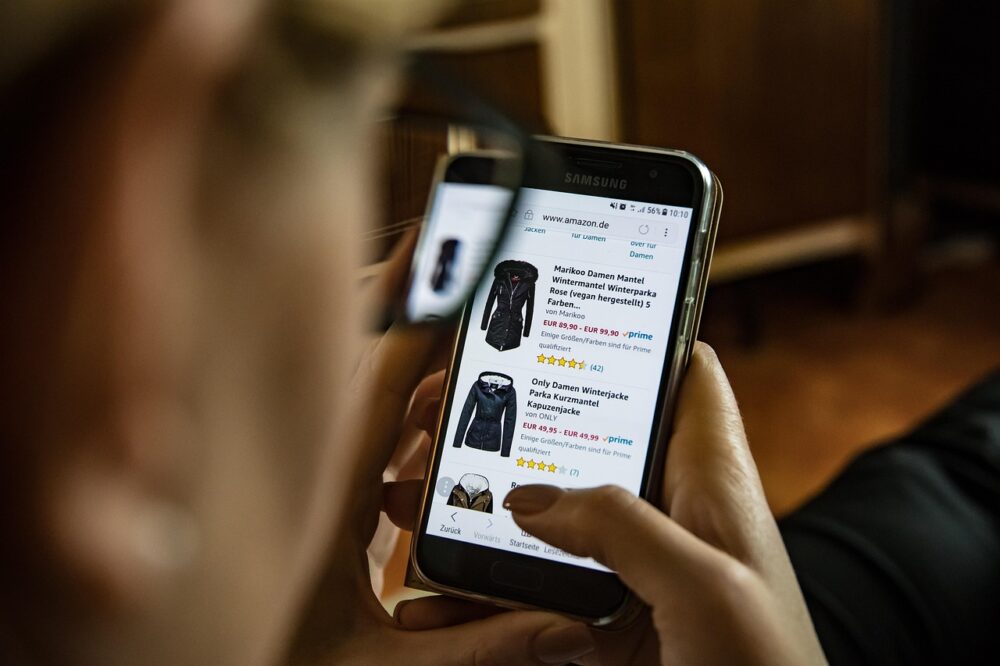
At the same time, new platforms such as Tilt and Whatnot are reshaping how retail is experienced online. These livestream shopping apps allow sellers to showcase products in real time, blending entertainment with commerce in a way that feels more like a social event than a transaction. From limited-edition streetwear drops to vintage fashion hauls, these platforms are turning shopping into a participatory experience where audiences can interact, bid, and buy on the spot.
The rise of these platforms demonstrates how retail is evolving into a hybrid of performance, community, and commerce, making the act of shopping itself part of the entertainment.
What’s Next: Experience as Currency
The future of retail will be defined by how well brands can merge commerce with culture. Consumers are no longer satisfied with transactions alone, they expect every interaction to feel meaningful, entertaining, and personal. Those who fail to adapt risk being left behind as shoppers gravitate toward brands that deliver more than just products.
AIdriven personalisation, livestream shopping, and immersive instore activations are setting the pace for this new era. Alongside this, values such as sustainability and transparency are becoming part of the experience itself, shaping how customers choose where to spend their time and money. The retailers who succeed will be those who treat experience as a form of currency, creating communities, stories, and destinations that people actively want to invest in.