








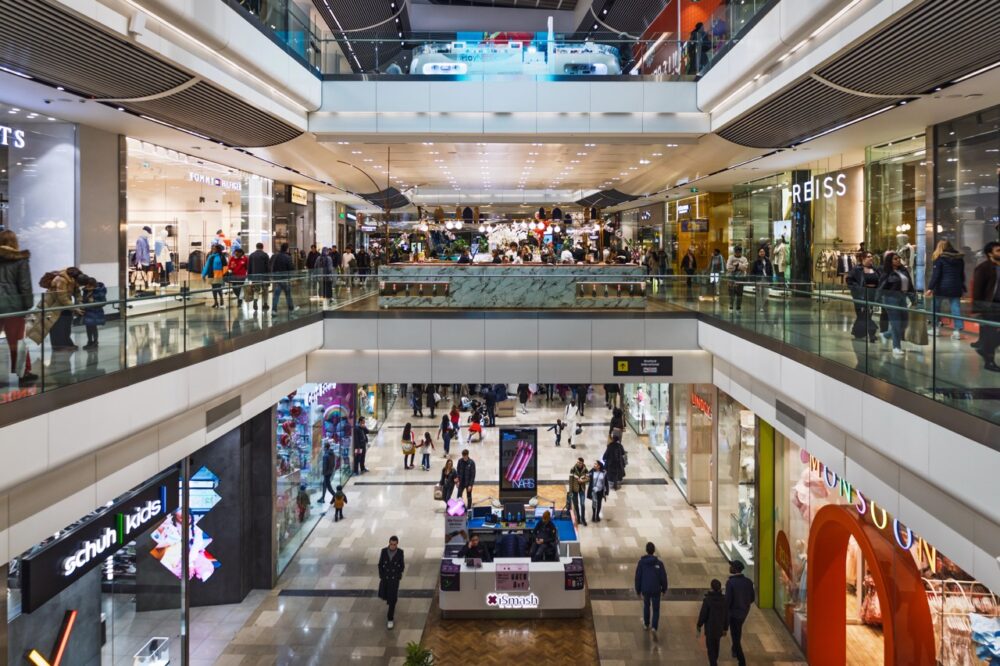
Retail point-of-sale has evolved significantly over the past decade. Printed posters, shelf wobblers and promotional boards still have a place, yet many retailers now expect much more from their in-store communication. Physical stores are no longer viewed simply as places to complete a purchase. They have become environments where brands educate, inspire and guide shoppers through every stage of a visit.
That shift has encouraged retailers to invest in connected technology that can respond to changing campaigns, seasonal promotions and customer behaviour. Digital point of sale has become part of a broader strategy that integrates merchandising, operations and customer engagement through connected technology.

Retail Displays Now Work Smarter Than Ever
Traditional promotional material offers limited flexibility. Once printed, updating pricing, campaigns or product information often incurs additional costs and requires planning. Connected displays provide a different approach. Retailers can publish fresh content across individual stores or entire estates from a central platform, helping campaigns stay consistent while reducing manual updates.
This flexibility supports a wide range of retail environments. Fashion brands can promote new collections as they arrive. Supermarkets can highlight promotions at different times of day. Consumer electronics retailers may present product demonstrations that help customers compare features before making a purchasing decision.
Equally important, digital displays can help to create consistency across multiple locations. National retailers benefit from maintaining a unified visual identity, while individual stores retain enough flexibility to promote local campaigns when appropriate.
For organisations planning to invest in retail POS digital signage solutions, success often starts with understanding the customer journey before selecting screens, software and installation requirements. Screen location, content quality and relevance all influence whether technology genuinely enhances a shopping experience.
Connected Screens Support Store Operations
Modern point-of-sale technology delivers benefits beyond marketing. Connected displays increasingly support day-to-day retail operations, helping stores communicate more effectively with both customers and employees.
Queue management provides one example. Screens can direct shoppers towards available tills or self-service checkouts during busy trading periods, while also communicating promotions, service updates or collection information that improves the overall customer experience.
Retailers with multiple locations often value central content management because every store can display consistent messaging while still supporting local promotions where needed. Marketing departments gain greater control over messaging, while store colleagues spend less time replacing printed material and more time supporting customers on the shop floor.
Another advantage lies in responsiveness. When stock availability, pricing or promotional priorities change, retailers can adapt visual communication far more efficiently than traditional printed media would allow.
Creating Memorable Shopping Experiences
Technology alone rarely determines whether customers enjoy visiting a store. Instead, successful retail environments combine thoughtful design, knowledgeable staff and communication that feels timely and relevant.
Digital point of sale contributes by presenting information at the moments when customers naturally pause. Product videos, buying guides, promotional campaigns and brand storytelling can all support purchasing decisions without overwhelming shoppers with unnecessary detail.
Retailers continue to search for solutions that improve efficiency while strengthening customer engagement, and connected display technology fits comfortably within that broader objective.
As physical retail continues to evolve, point-of-sale communication will remain an important part of store design. While printed displays still have their place, connected screens offer greater flexibility, easier management and stronger integration with wider retail technology platforms. Rather than simply replacing traditional POS materials, they help retailers create stores where communication remains relevant, responsive and aligned with changing customer expectations.

Terry Clark is the Publisher and Content Director of 365 Retail, with more than a decade of experience covering retail design, technology innovations, store openings and the wider retail industry. He also works closely with leading retailers, suppliers, agencies, events and industry awards across the UK.