





Retailers are quickly implementing remote monitoring across grocery, convenience, and food-to-go sectors as operational pressures increase. This shift supports reduced risk, stricter food safety, and cost control, and is driving the move towards predictive, data-driven management for in-store refrigeration.
As store networks grow and on-site engineering becomes less frequent, remote monitoring for commercial refrigeration is increasingly seen as essential rather than optional. Tighter profit margins and food safety regulations mean retailers are prioritising immediate oversight into equipment performance, temperature stability, and early fault detection. These technologies now underpin risk mitigation strategies for stock protection and regulatory compliance in supermarkets and convenience stores.

Operational pressures and compliance demands
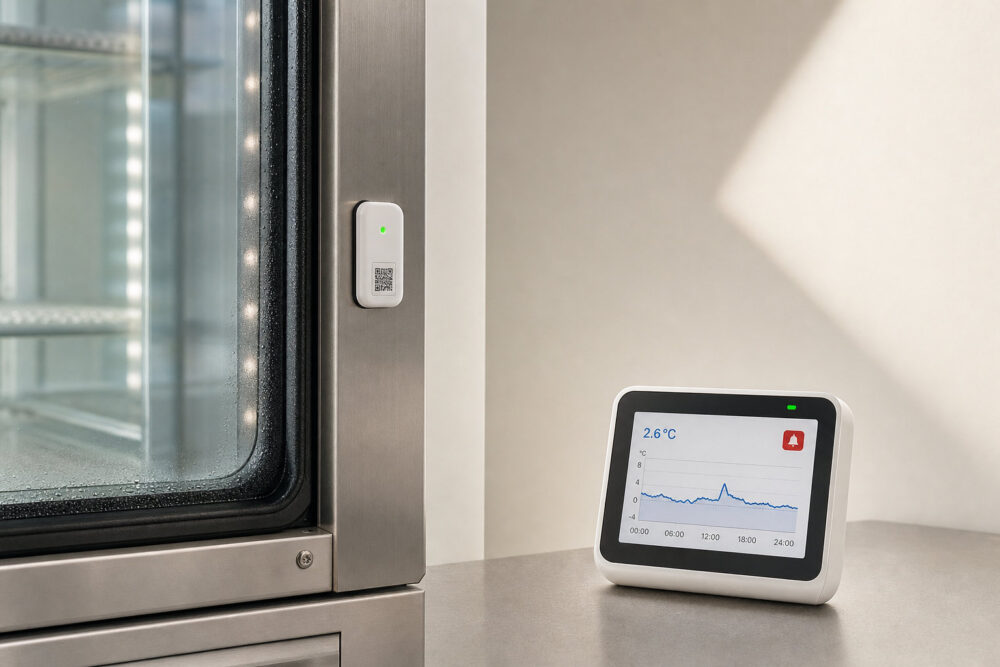
Operators are expected to maintain high standards across multiple sites, often with leaner teams. Fewer staff per store make rapid identification of refrigeration problems harder, raising the risk of stock loss or food safety incidents. Remote monitoring automates continuous oversight, helping store managers respond swiftly to failures or temperature breaches.
For food retailers, particularly those managing perishable goods, automated systems log temperatures, escalate critical alarms, and retain records essential for compliance inspections. Electronic documentation supports faster audits and proves ongoing regulatory adherence, reducing the administrative burden of manual checks.
The introduction of stricter food safety legislation has intensified the need for verifiable temperature control across retail chains. Regulators now expect continuous monitoring rather than periodic manual checks, particularly for high-risk categories such as chilled ready meals, dairy, and fresh meat. Remote monitoring systems provide timestamped audit trails that demonstrate compliance during inspections, reducing liability and protecting brand reputation. This shift towards automated compliance documentation also helps retailers avoid costly penalties and potential store closures resulting from food safety violations.
Features supporting retail operations
Remote monitoring is now defined by real-time temperature tracking, instant alerts, and comprehensive analytics. The systems alert staff to risks such as power interruptions, open doors, or faulty defrost cycles before spoilage occurs. Monitoring solutions increasingly offer data on compressor and door activity, enabling earlier intervention and minimising operational disruption.
Continuous system analysis allows managers to investigate recurring faults, spot inefficiencies, and adjust maintenance routines. By catching minor issues before they escalate, remote monitoring limits downtime and safeguards inventory. This is particularly valuable for busy retail environments handling varied stock across extended opening hours.
Advanced remote monitoring platforms now incorporate machine learning algorithms that establish baseline performance patterns for individual refrigeration units. These systems can detect subtle deviations in compressor run times, defrost cycles, or temperature fluctuations that may indicate developing faults. By comparing real-time data against historical trends, the technology identifies anomalies that would be invisible during routine inspections. This capability is especially beneficial for retailers operating 24-hour stores or unmanned convenience locations, where equipment failures outside staffed hours could otherwise go undetected until significant stock damage has occurred.
Efficiency, reporting, and integration
Analysing equipment data enables smarter maintenance, with predictive insights reducing unplanned outages and helping schedule preventative action. Automated temperature logs also simplify inspections and reduce the hours spent on manual record-keeping.
Integration with store management systems is growing, as refrigeration data supports wider decision-making on energy usage and operational planning. As energy costs remain a focus, remote monitoring highlights opportunities for savings and keeps stores audit-ready. Ongoing developments include improved alert filtering, unified reporting, and more seamless integration of monitoring with store workflow systems, all of which are increasingly relevant as retailers face continued compliance and cost pressures.
Cloud-based monitoring platforms are enabling multi-site retailers to centralise refrigeration oversight across entire estates from a single dashboard. Facilities managers can now compare performance metrics between locations, identify underperforming units, and allocate engineering resources more strategically. This centralised approach reduces the need for regional site visits purely for data collection and allows head office teams to prioritise maintenance based on actual equipment condition rather than fixed schedules. The aggregated data also supports capital planning decisions, helping retailers identify which units require replacement and which can be optimised through targeted repairs or settings adjustments.

Terry Clark is the Publisher and Content Director of 365 Retail, with more than a decade of experience covering retail design, technology innovations, store openings and the wider retail industry. He also works closely with leading retailers, suppliers, agencies, events and industry awards across the UK.