






When I started Blillov in 2023, I was running the business from my garage. I was focused on finding customers, building a range of automotive products and working out whether the business could grow. I wasn’t thinking about opening a shop.

Three years later, we’re about to do exactly that.
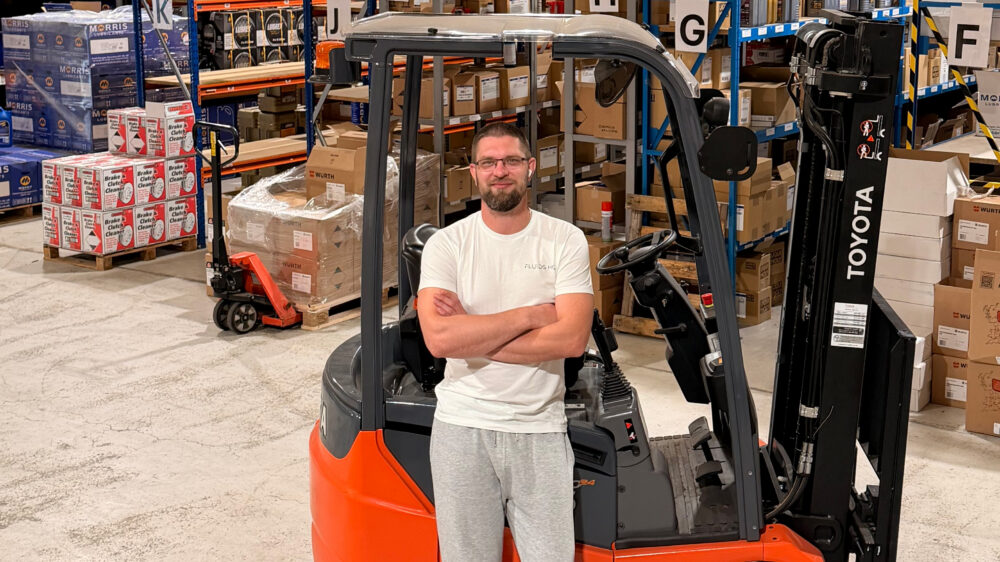
We’ve grown from a garage-based business to one that is hiring five new staff and preparing to open its first physical store in Rushden, Northamptonshire.
We often talk about online retail as a threat to the high street. For us, it has been a route to it.
As a specialist automotive retailer, our potential market was always bigger than our local area. Someone looking for a particular car care or maintenance product isn’t necessarily going to find us on their local high street. They might find us online instead.
Temu gave us a way to reach those customers. Since joining the platform, we’ve fulfilled more than 23,000 orders, and it now accounts for around a fifth of our turnover. One product made the impact particularly clear: Polygard Traffic Film Remover, a professional vehicle-cleaning product, sold more than eight times faster on Temu than across all our other sales channels combined.
That growth gave us enough confidence to bring our warehouse expansion forward by around six months. We moved from a 1,000 sq ft facility into a 9,000 sq ft site, creating the space to take on five new warehouse staff.
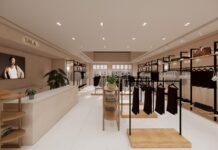
As the business grew, customers started asking whether they could collect orders in person. So we’re opening our first shop at the same site, stocking more than 1,400 products.
That’s why I think the debate about whether online retail is good or bad for the high street misses something important.
Online retail creates headwinds for some physical stores. However, framing the two as inherently opposed overlooks a nuanced reality – particularly how small businesses actually grow by leveraging both.
For an independent retailer, one of the biggest risks in opening a shop is committing to the costs before you know whether enough customers will come through the door. My experience is that an online marketplace can reduce some of that risk.
You can test products, find customers outside your local area and see what sells before taking on the fixed costs of a physical location. For a small business, that can make expansion a calculated decision rather than a leap of faith.
This isn’t just our experience. The government’s plan for small and medium-sized businesses says 63% of high-street SMEs now sell products online. The distinction between online and physical retail is already less clear than the debate around the high street suggests.
The next generation of high-street businesses may not begin with a shopfront. They may begin in a garage, spare room or small warehouse, building an audience through marketplaces and using demand to decide where to invest next.
For us, online retail didn’t take us away from the high street.
It helped us get there.
By Artiom Samoilov, founder and managing director of Blillov
Related Posts